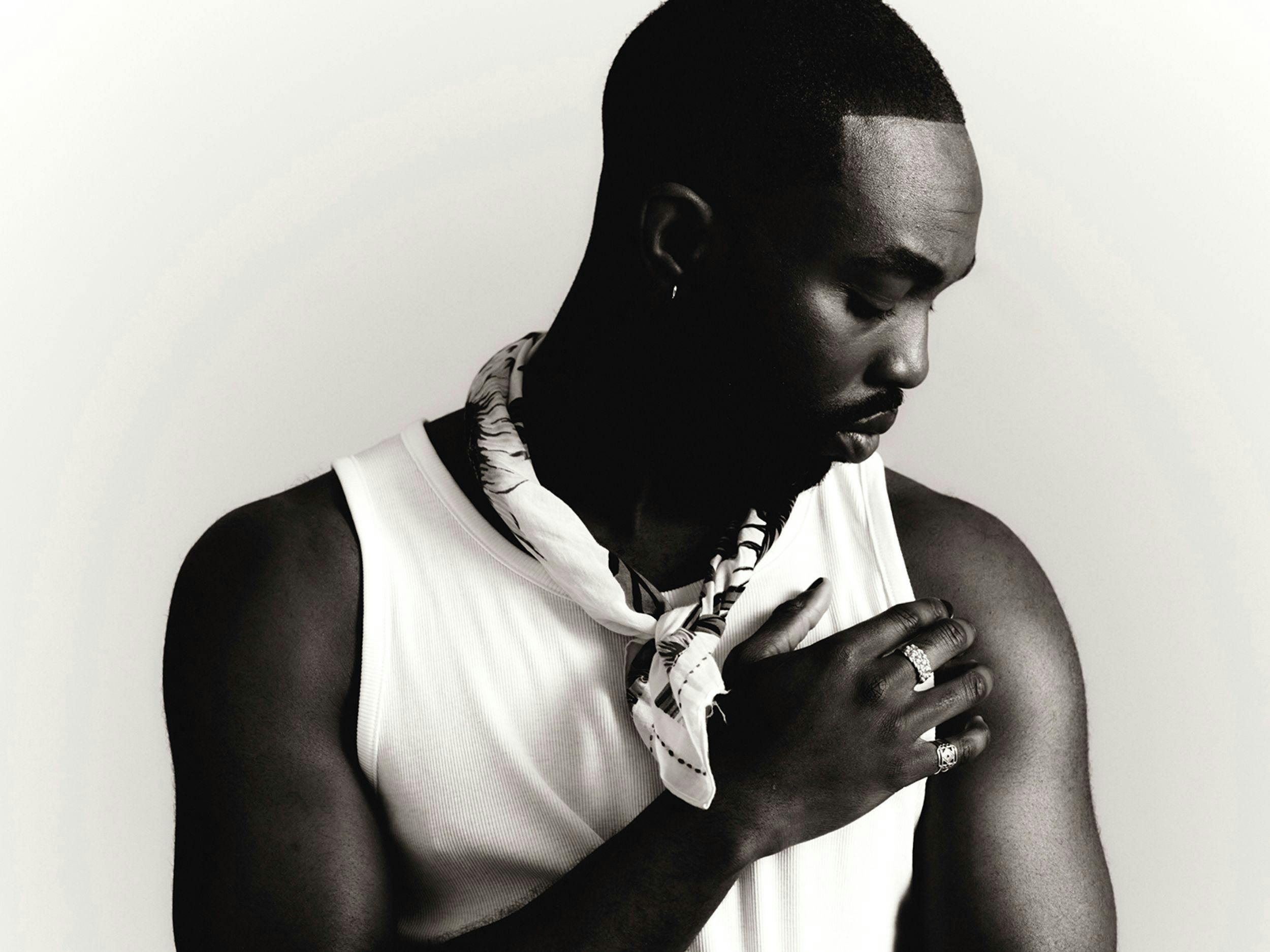
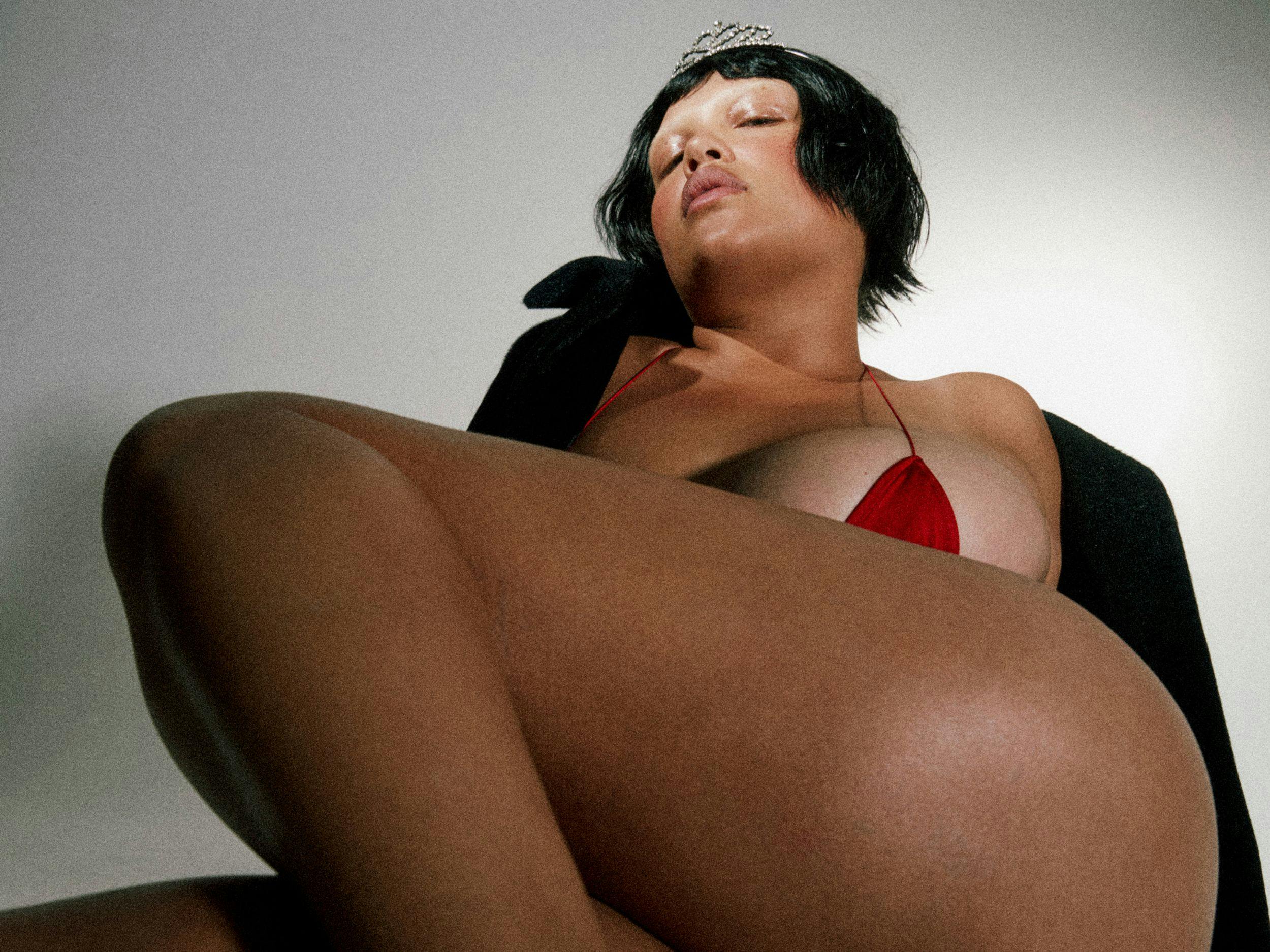
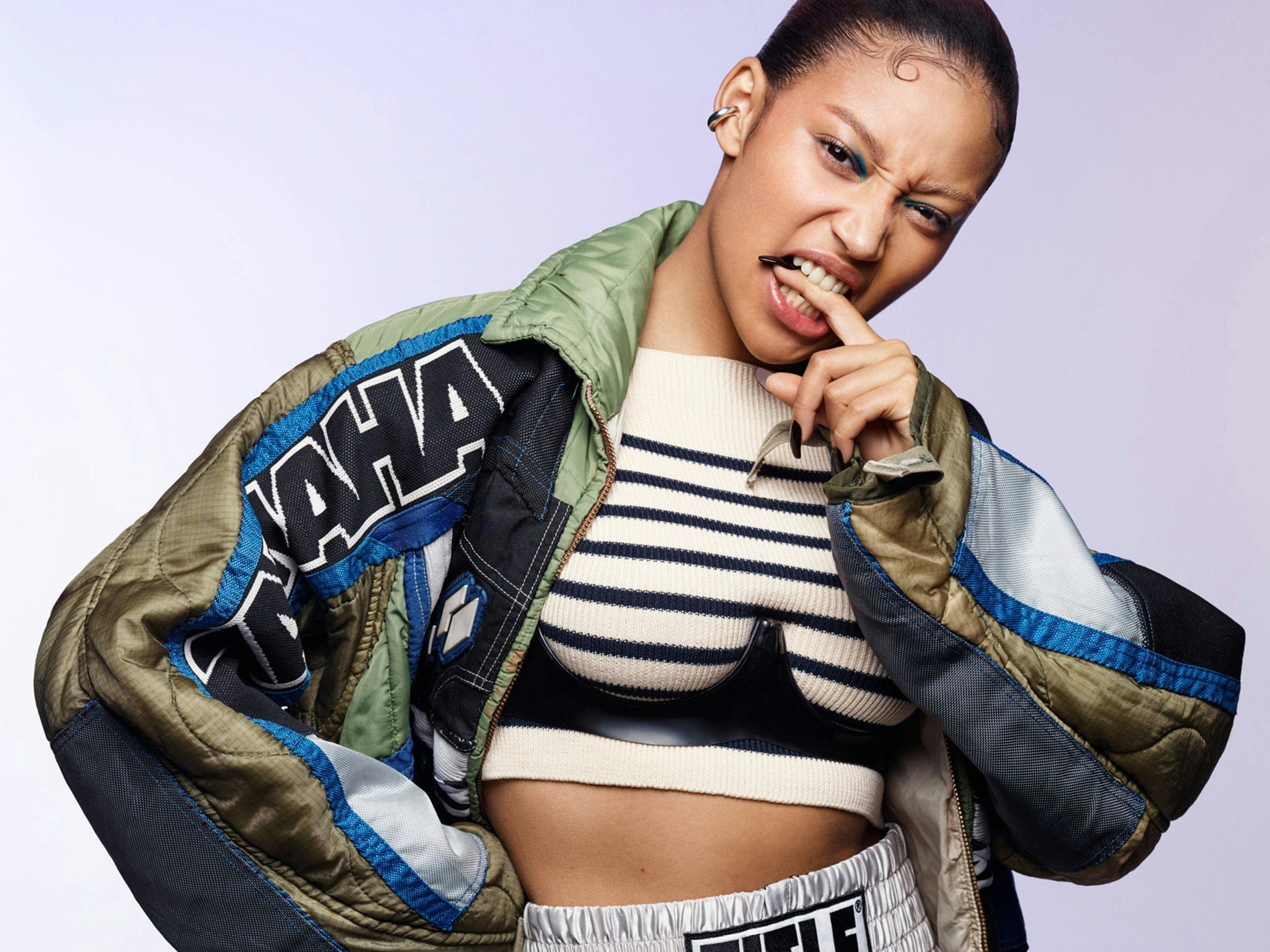
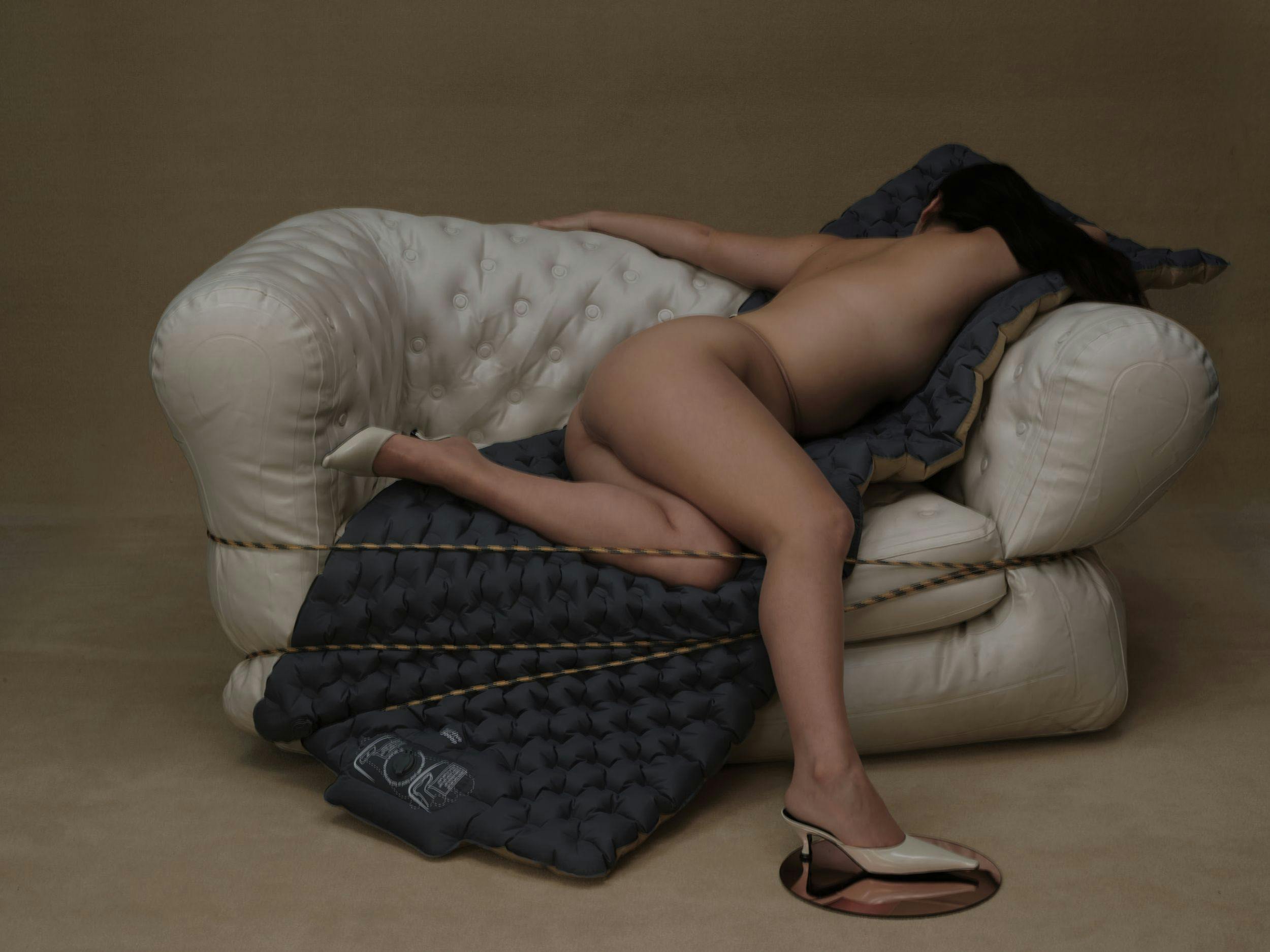
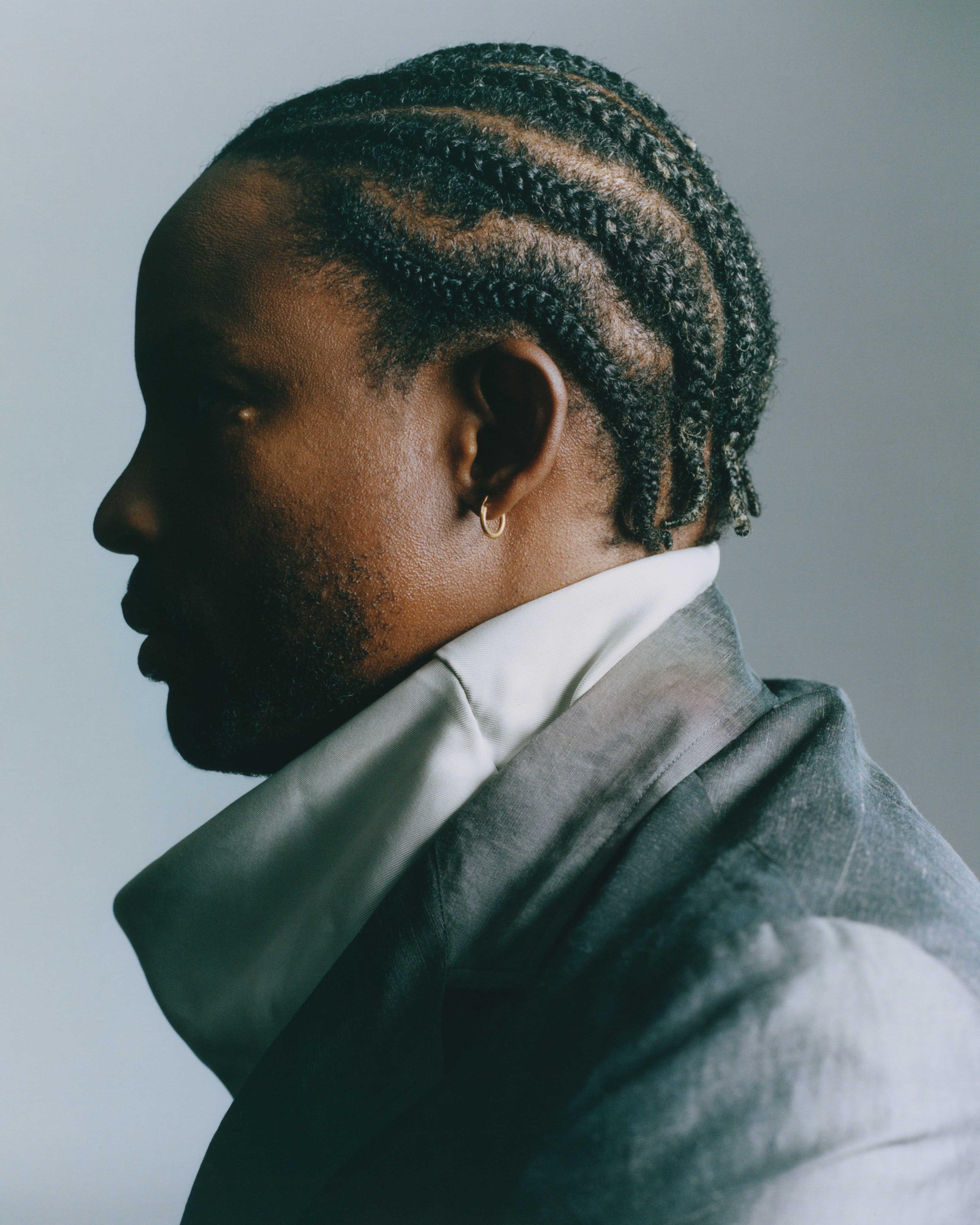
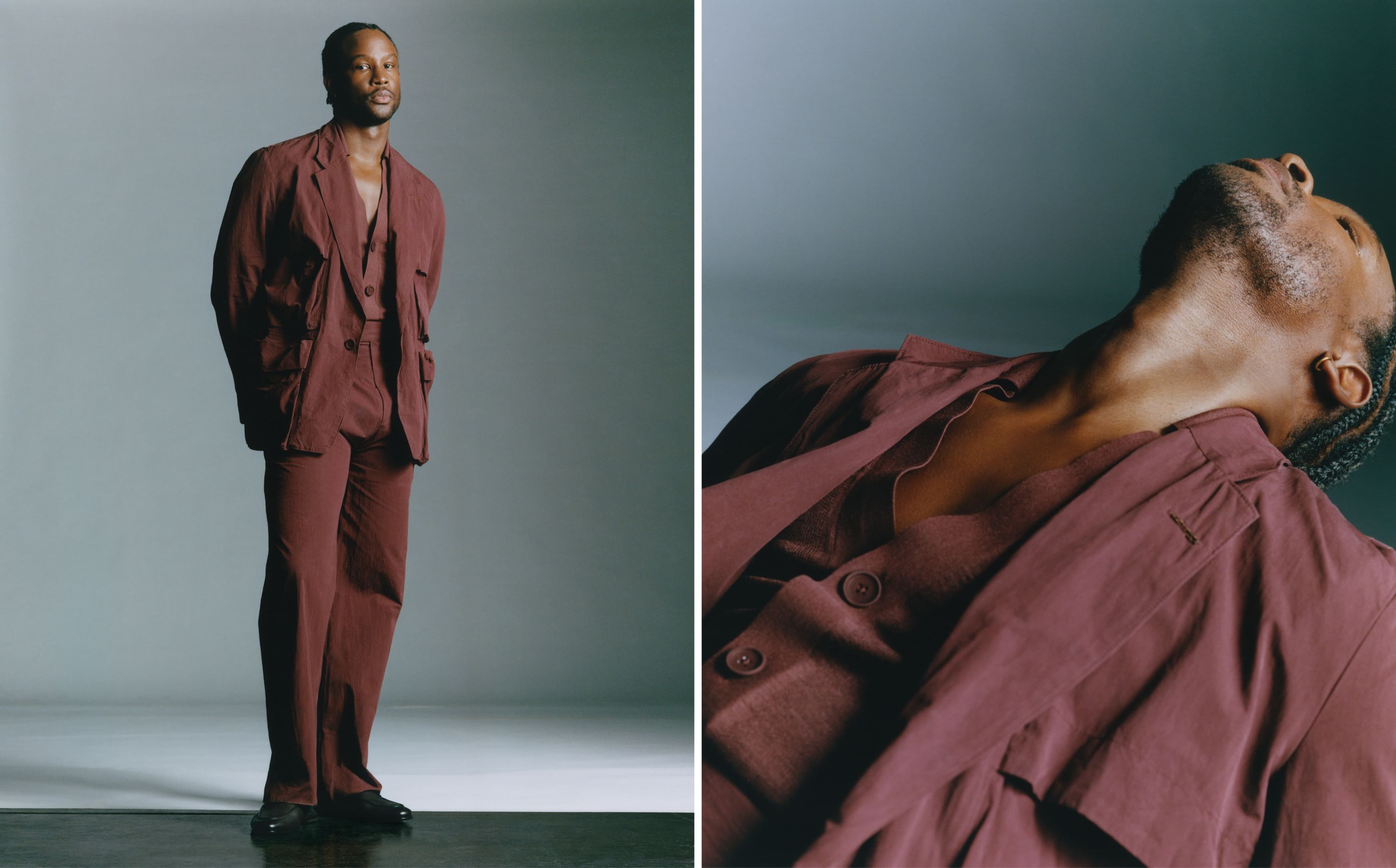
All CLOTHING by Hermès; EARRING, worn throughout, Davies’s own
Chasing Hope with Akinola Davies Jr.
In My Father’s Shadow, the debut feature film from Akinola Davies Jr., memory is a meditation—not something fixed or reliable, but something examined, returned to, and delicately reassembled, begging the question about how we come to remember the people we love. Set over the course of a single day in 1993, against the suspended promise of the Nigerian “democratic” election, the semi-autobiographical film follows two young boys on a dreamlike outing to Lagos with their estranged father, and unfolds as both a coming-of-age story and a national elegy; a portrait of fatherhood, absence, and hope caught just before it breaks.
My Father’s Shadow began as a short screenplay written by Davies’s older brother Wale, and the thematic core of the film is strengthened by the deeply personal and vulnerable connection to their lives—Akinola was only a baby when their father passed, and his understanding of his father has been shaped through stories and projection, rather than lived moments. When Wale sent over the original story unprompted, the emotional impact was immediate. “I think I just read it and cried for about half an hour, but it probably seemed much longer,” Akinola recalls. “It felt very relatable, it felt quite honest,” he says, particularly in the way it reimagined a father figure not as a myth but as a human. “I never really thought of my father as being vulnerable and unsure of himself,” he says, “because every other image that had been painted of him was larger than life and super charismatic.”
All CLOTHING by Zegna
The film follows eight-year-old Akin and eleven-year-old Remi (played by real-life brothers Godwin and Chibuike Egbo) as they convince their father, Folarin (Ṣọpẹ́ Dìrísù), to take them to Lagos while he conducts business and encounters people who give the boys a glimpse into different parts of their father’s life. Much like Akinola and Wale, the brothers also have their own perspectives on their father. “That was more based on mine and my brother’s understanding and relationship to our father. My brother idolized our father, and in developing the character of Remi, I think that’s how the character played. I think my brother was very surprised when we were writing the film to find out that I was actually very upset at my father for dying, even though he died of natural causes,” says Davies. “When we were making the characters, he was trying to understand my motivation for being upset at someone I never really knew and someone who didn’t necessarily purposefully have anything to do with his own death.” That complexity informed the film’s emotional stakes. “It made sense to have a conflict in those characters,” he adds, in exploring the interplay between idealization and disappointment.
This personal excavation is echoed in Davies’s broader journey as a filmmaker. Before My Father’s Shadow, he first gained international attention with the short film “Lizard,“ also filmed in Nigeria, which follows a young girl as she uncovers the more complicated side of religion and was inspired by true events and Davies’s own experience. The short film premiered at the 2021 Sundance Film Festival and won the Grand Jury Prize for Short Film, which was the first Nigerian production to do so. “Lizard“ was also nominated for Best British Short Film at the BAFTAs and played at festivals including the BFI London Film Festival and the Raindance Film Festival, laying the groundwork for Davies’s emergence as a distinctive cinematic voice.
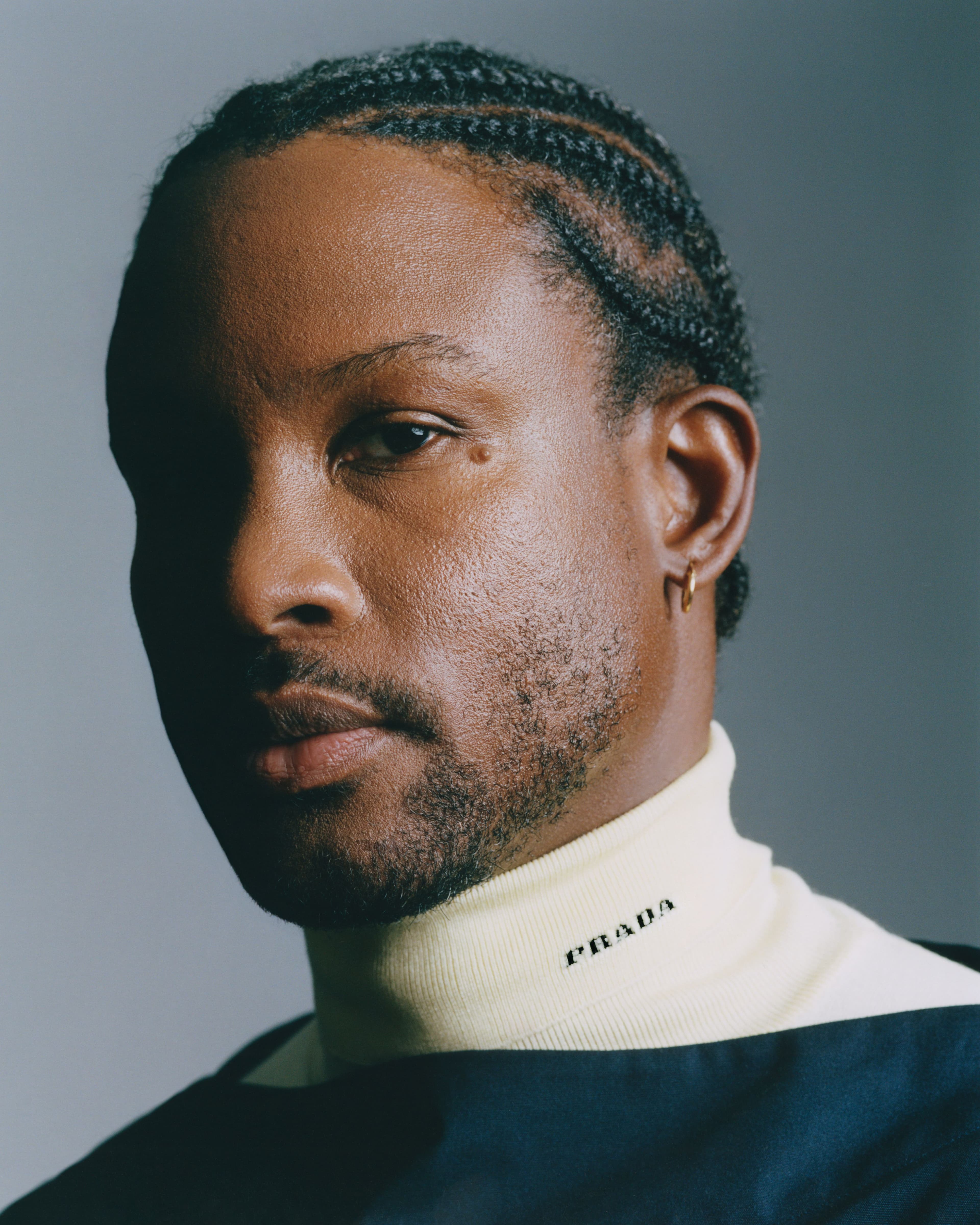
All CLOTHING by Prada
My Father’s Shadow has continued that momentum. The film premiered in the Un Certain Regard section of the 2025 Cannes Film Festival, becoming the first Nigerian film ever chosen for the festival’s Official Selection. At Cannes, it earned a Caméra d’Or Special Mention, recognizing its strength as a debut feature among films across all festival sections, and has been picked up by Mubi for distribution.
In expanding Wale’s short screenplay into a feature, Davies joined his brother as a co-writer and deepened the story, choosing to set the film against the backdrop of the 1993 Nigerian election, in which a moment of national hope was abruptly denied when the winning candidate was declared invalid, and the election ultimately ended in a military coup. “On the micro level, it’s a story about two boys and their father. There’s a belief that you grow up and your father is going to teach you stuff and instill values in you, and he’s going to see you become a man. Those values will permeate into the person you are. So it’s this idea of the hope of what it is meant to become,” says Davies. “On a macro level, Nigeria was going through a period of military dictatorships, and we were finally supposed to move to a democracy. There’s this mercurial candidate that everyone loved, and everyone was going to vote for, and he was supposed to represent the father of the nation and move us into our new potential. I think those two things felt quite synonymous,” says Davies, reflecting on how that hope was never fulfilled. “My brother always says, ‘You live for the hope, but it’s the hope that kills you,’” says Davies. “And I think in both of those stories, the micro and the macro balance each other out.”
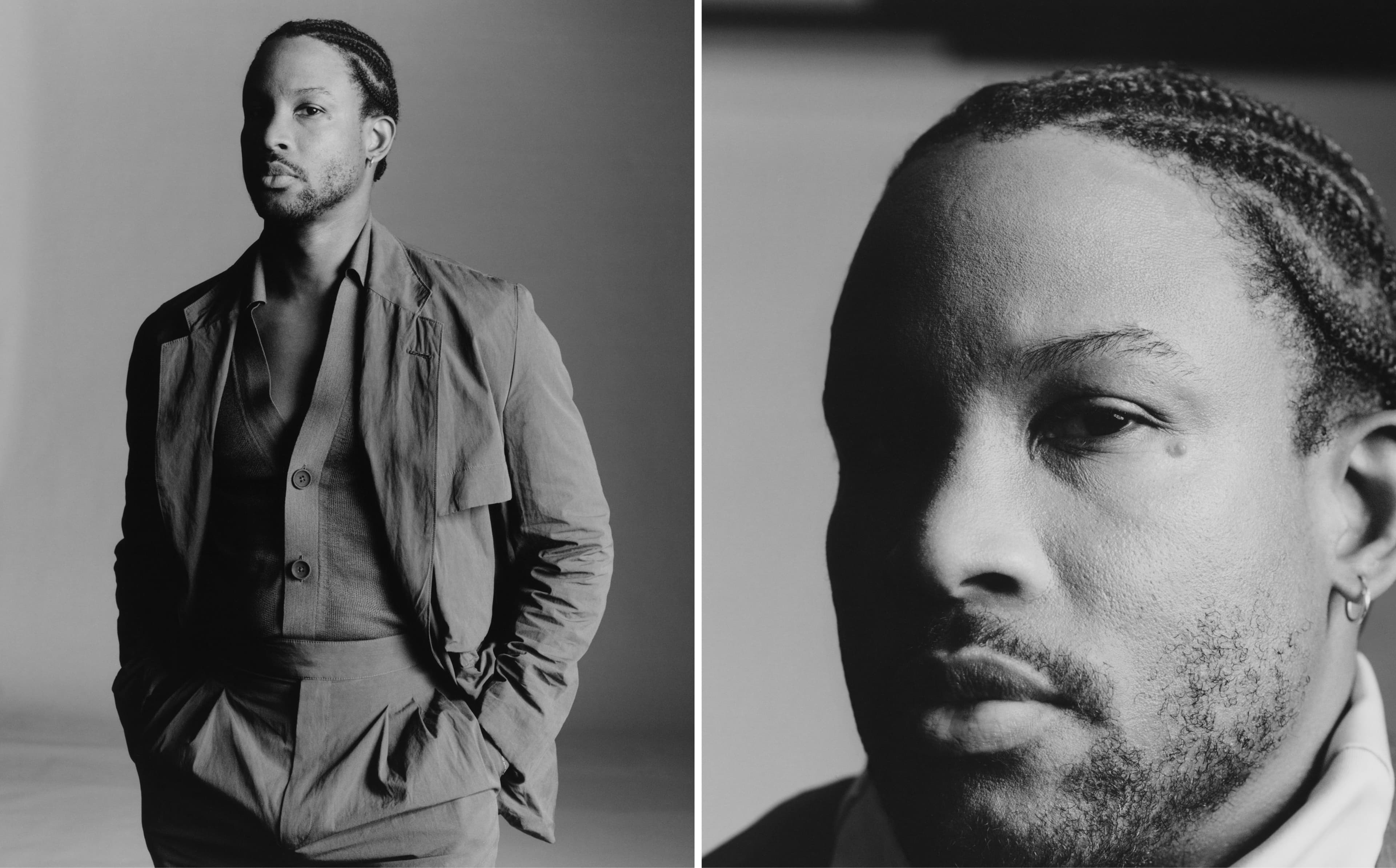
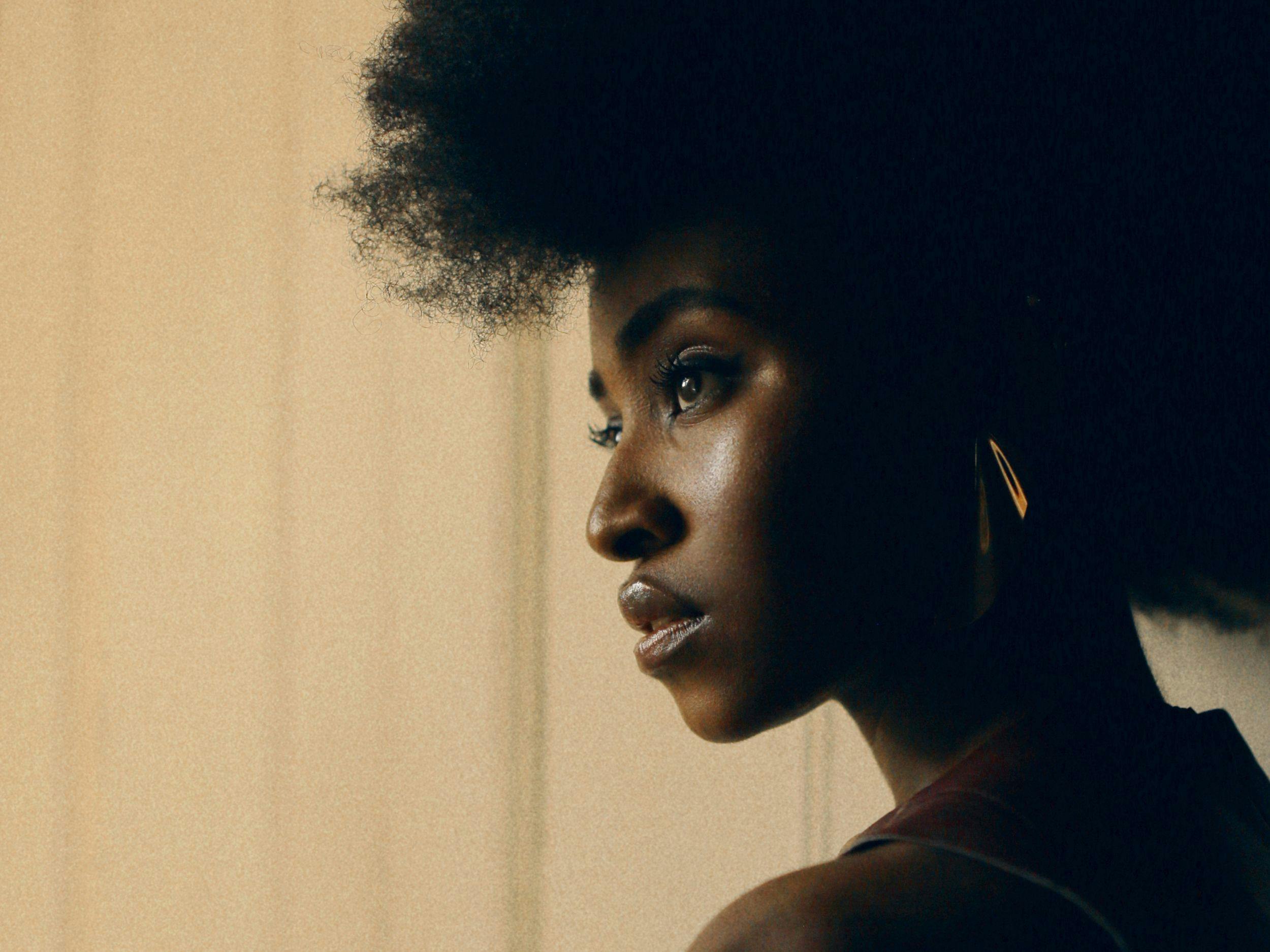
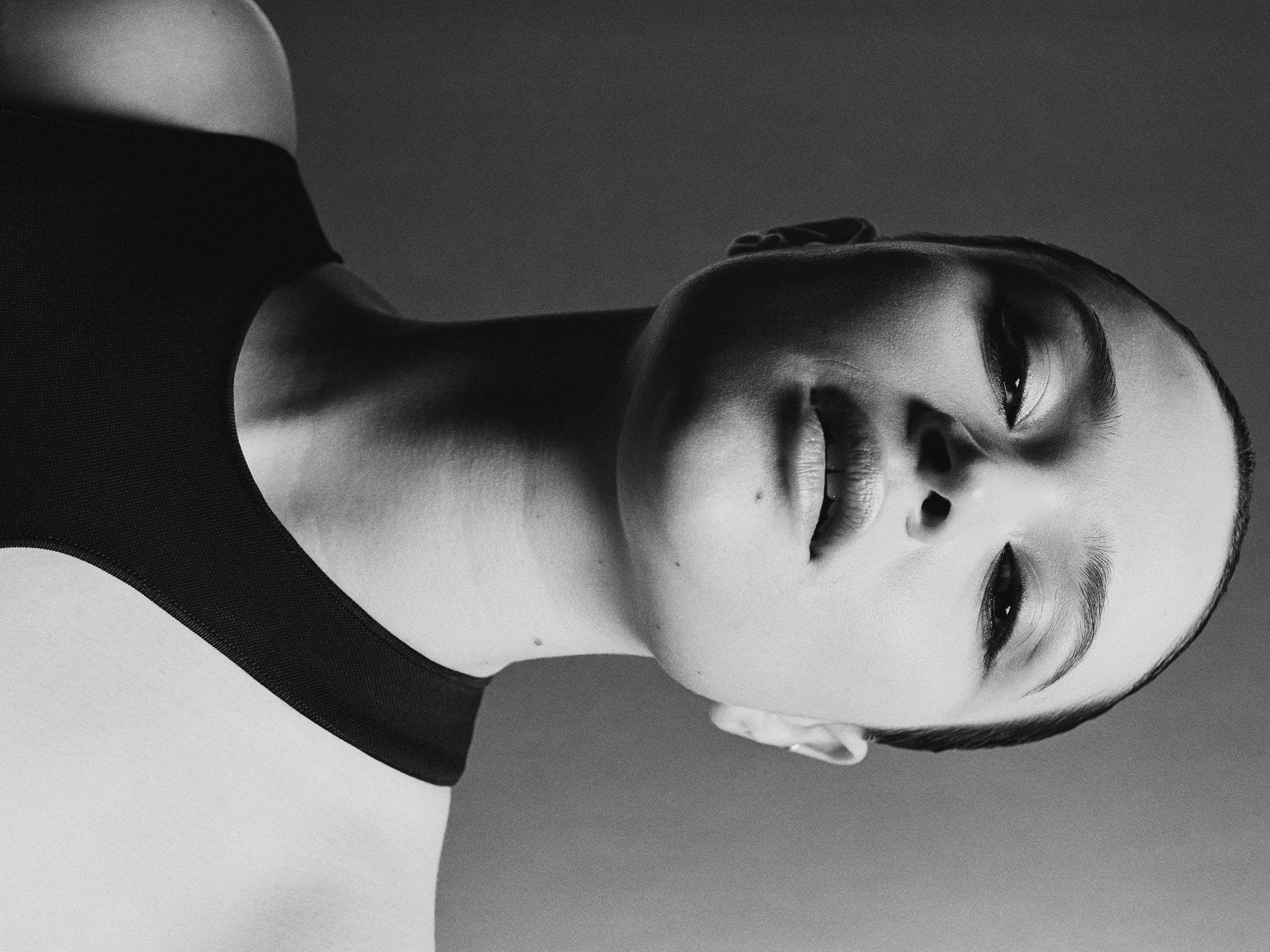
LEFT: All CLOTHING by Zegna. RIGHT: All CLOTHING by Hermès.
Visually, Davies wanted to portray Lagos more accurately in line with his personal experience, in a way that he says he hasn’t seen portrayed on screen. “Lagos has a reputation that precedes it, but we grew up there, so we see the day-to-day, not just the flashy aspects of what it is,” he explains. “We wanted to not lean into this very stereotypical perspective of like, Oh, Lagos is a fun party city. It is all those things, but we wanted to honor the stillness, the nature, the people, how brutal it is, how slow it is, how everyone’s hustling but at the same time struggling for sleep.” Davies adds that shooting the film on 16mm was another way to honor the city, making it look as cinematic as he sees it while also preserving the feeling of 1993. “There are so many textured things, what the people are like with each other, the colors, the sounds, all of it,” he says. “You can point a camera anywhere and take a picture, and it’s like one of the most epic pictures because there are so many layers.”
Looking ahead, Davies sees the film as a foundation to build on his burgeoning filmmaking journey. “My brother and I are going to write more,” he says. “We want to double down in telling our own stories.” Having explored deeply personal narratives, they are ready to take on greater risks. “We want to take a bigger swing, do something that feels a little bit bolder, a bit bigger,” he says. “Film is hard, so I just want to keep working with my same people. I want to protect my process. ” At the center of that ambition is a commitment to telling Nigerian stories. “I want to share my perspective of what it means to be Nigerian and what our stories are like,” explains Davies, “so the rest of the world can have a certain level of curiosity about those stories and not have to work with stereotypes of who we are and what we represent, but see how complex and nuanced our stories are.”
My Father’s Shadow is now in theaters.
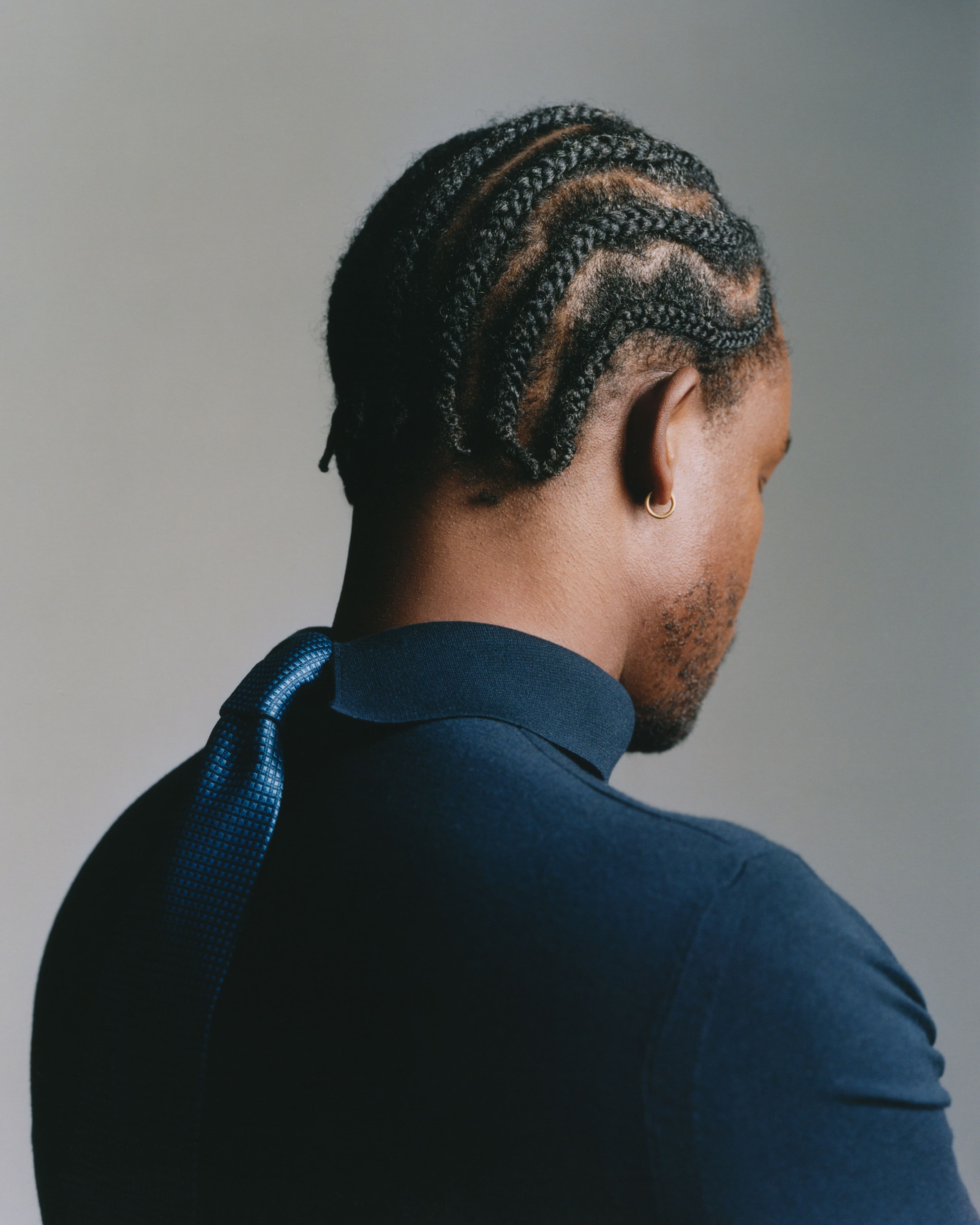
TOP by Zegna; TIE, stylist’s own
As a nonprofit arts and culture publication dedicated to educating, inspiring, and uplifting creatives, Cero Magazine depends on your donations to create stories like these. Please support our work here.