JACKET by Nike
Arlo Parks Steps Into the Room
When I interviewed Arlo Parks earlier this spring, she was just one day away from playing Fabric. The legendary London club might seem an unexpected stage for a singer whose first two albums won acclaim for their bedroom intimacy and soft catharsis. But for Parks, now standing at the threshold of her third album, Ambiguous Desire, it couldn’t be more fitting. “A lot of people were kind of surprised that I was playing that venue,“ she muses. “But it’s such a mecca for the kind of music that I have fallen in love with. It just made sense.“
Indeed, Ambiguous Desire marks a dynamic shift in Parks’s career, her most nocturnal and first truly dance-informed record—shaped less by solitude than by movement. The album still holds onto the observational tenderness that defined her Mercury Prize–winning breakout Collapsed in Sunbeams and her similarly well-received sophomore act My Soft Machine, but this time the perspective feels less removed. “I was inspired to make this by being out in the world and among people and being fascinated by how music moves bodies and how it shapes faces,“ Parks says. “So it makes sense that I then went away to craft it—and then I’m finally releasing it back into the world where it belongs.“
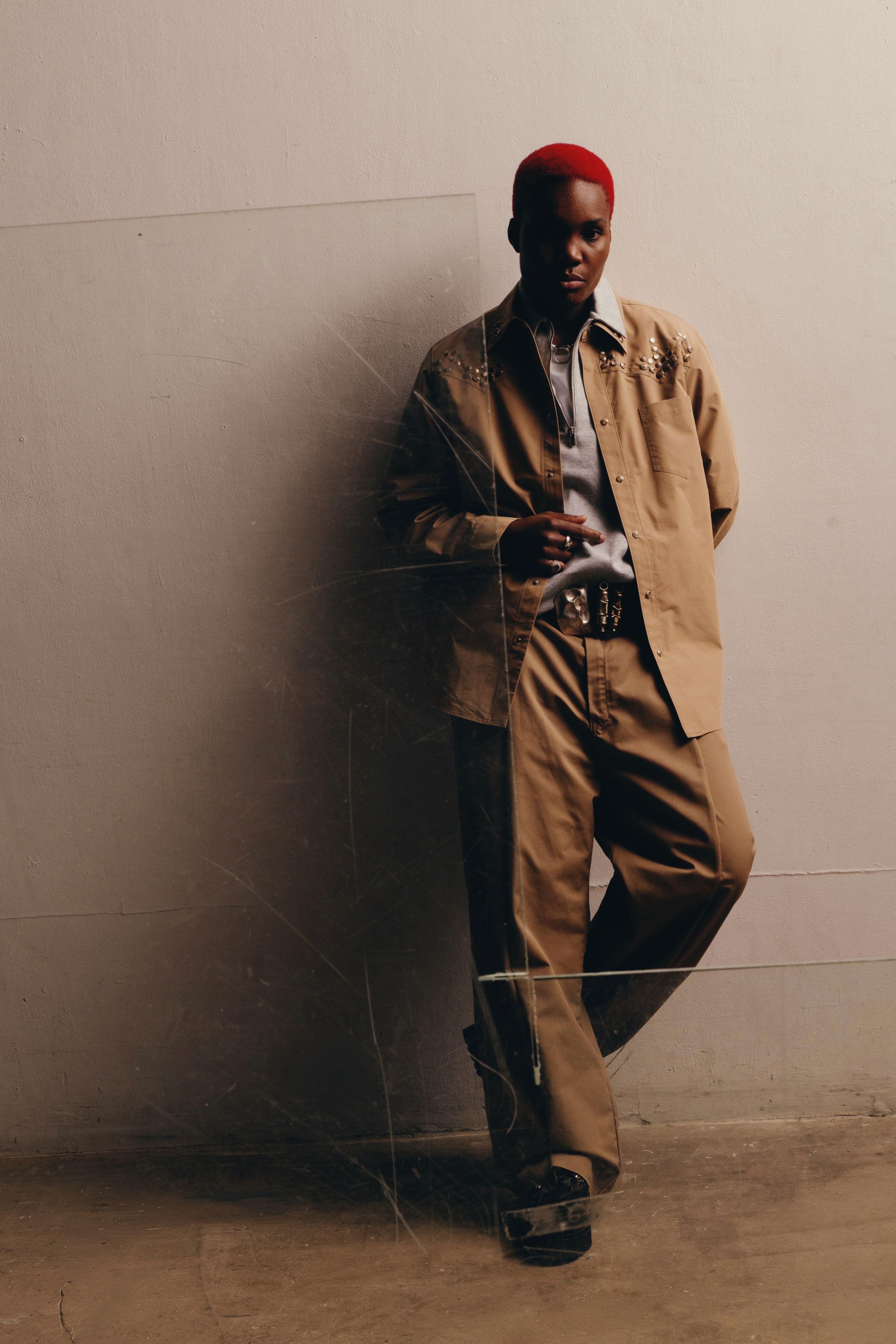
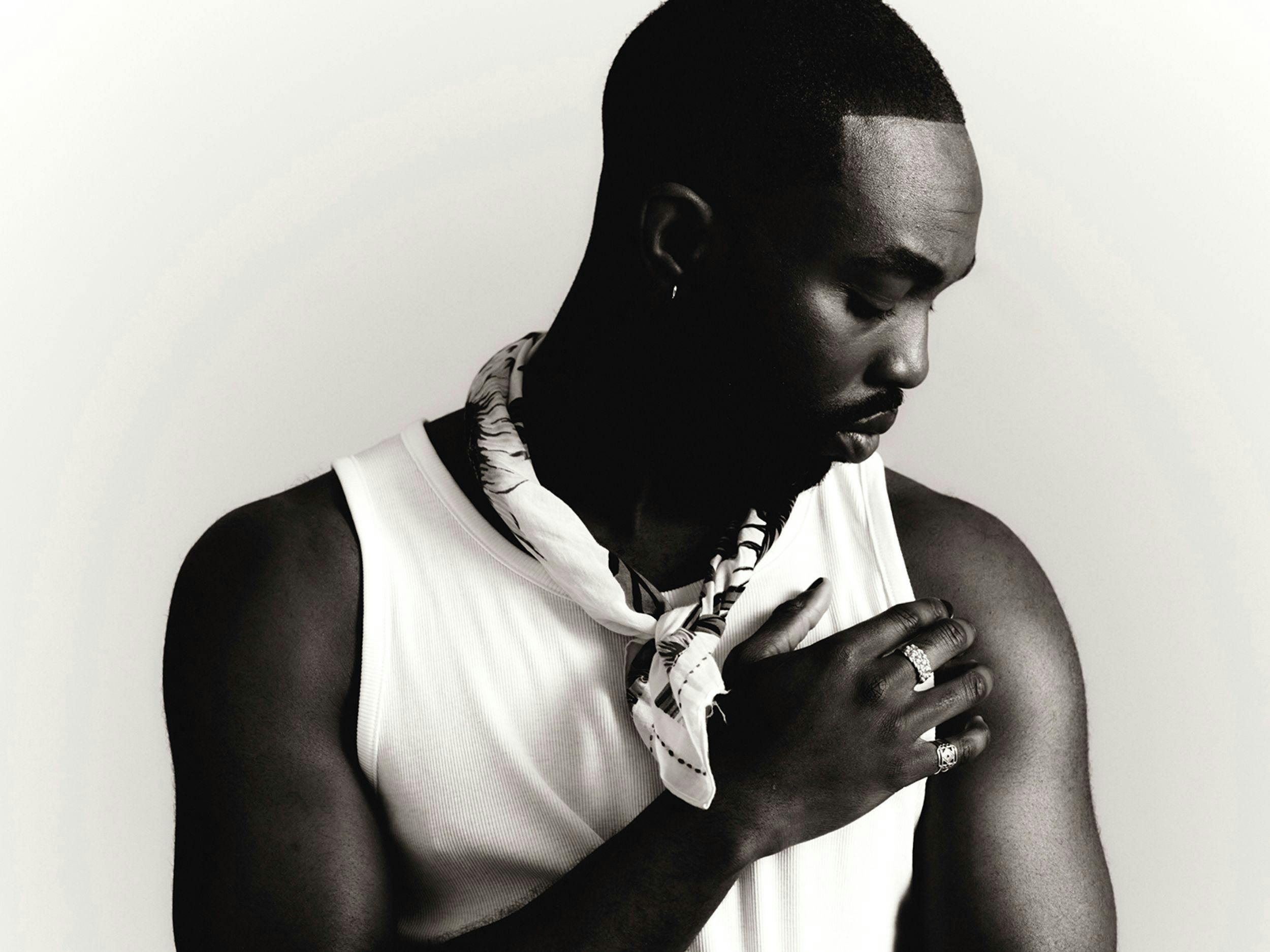
SHIRT and SHOES by Toga; TOP by Miu Miu; T-SHIRT by Uniqlo; PANTS by Louther x Carhartt WIP; BELT by Karthur Studio; NECKLACE by CC-Steding; RINGS by Bentley & Skinner and Millie Savage
Much of that immersion began in New York. Parks, who describes her process as studious, approached nightlife the same way she approaches everything: by diving deep. There were nights at Musclecars’s Coloring Lessons party and deep-cut sets from local names like DJ Swisha and Kush Jones—plus extended sessions at mainstays like Nowadays, Bossa, and Basement. “I enjoy the nights that feel like they’re really bringing people together in that pure underground way,“ she says.
Her curiosity extended backwards into history, too—Paradise Garage, The Loft, David Mancuso—examining how decades of dance culture have been built around the same core principle. “Learning the history of these spaces was really inspiring to me because there is this real magic, or real alchemy, when people listen to music loud in a dark space,” she says. “That’s always been the way.”
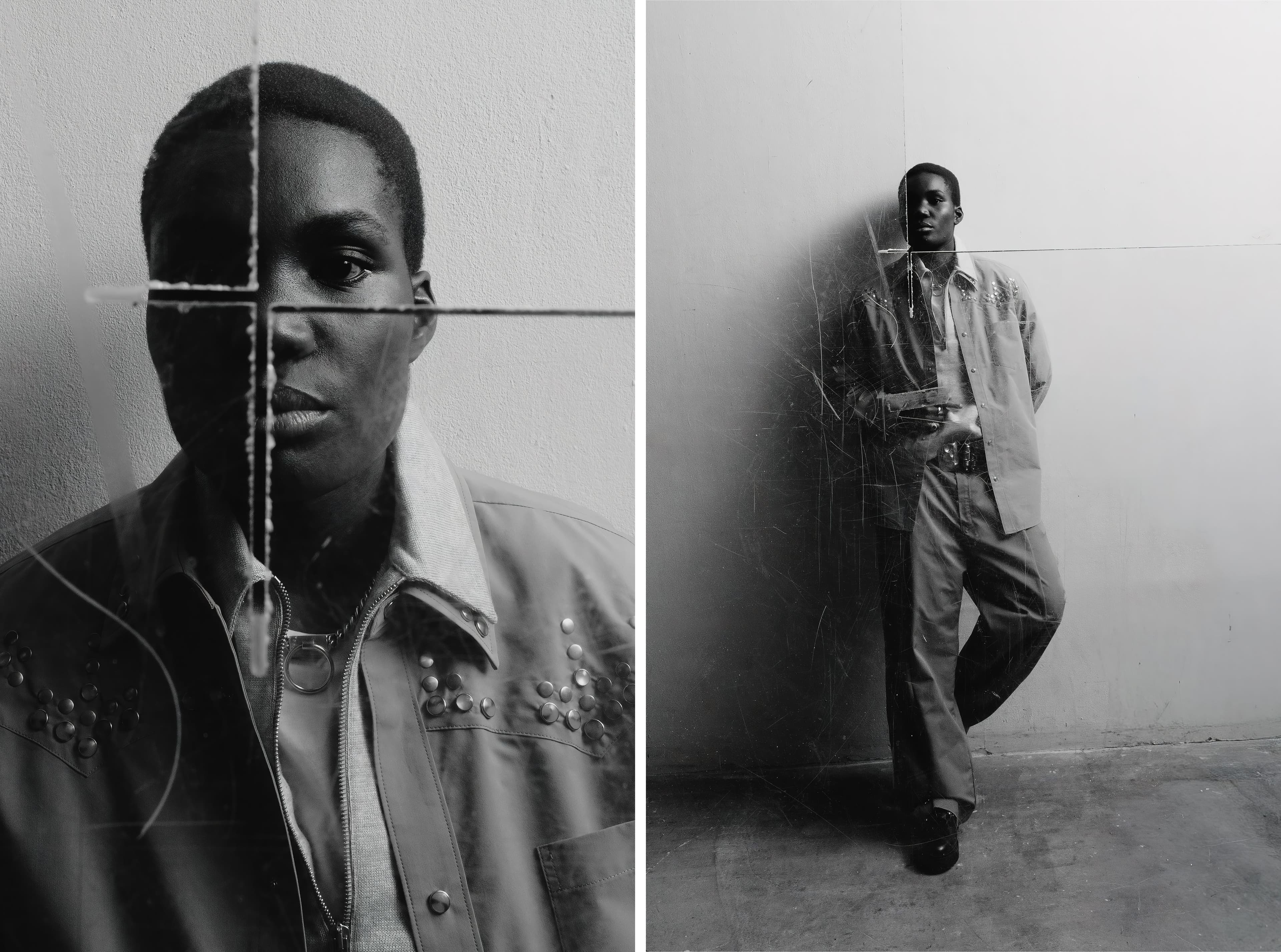
SHIRT by Toga; TOP by Miu Miu; T-SHIRT by Uniqlo; NECKLACE by CC-Steding
Parks speaks about DJs the way some people speak about filmmakers. More influences like Honey Dijon, Eli Escobar, and Objekt come up quickly, and she calls them “sonic adventurers“—artists who can guide a room through a long, shifting journey. “I love seeing the way that, as the night goes on, the dance floor feels different,“ she says. “People leave and people arrive and people loosen up.“
On the album’s most danceable single, “Get Go,” Parks sketches familiar types: a reveler who treats the floor like a sport, holding their place for hours; the heartbroken regular moving through something that looks like repair. The song opens in motion—“movin’ under strobes on the floor”—before settling on a single figure, Maria, “standin’ there, holdin’ both her heels,” disoriented, freshly shaken by a breakup. “There are characters you encounter—some come to the club like athletes, locked into their own world and dancing for hours, while others arrive heartbroken, looking for something like love,” she explains. “That was the character that inspired me—a person who sees the dance floor as a place to heal in public and move toward love.”
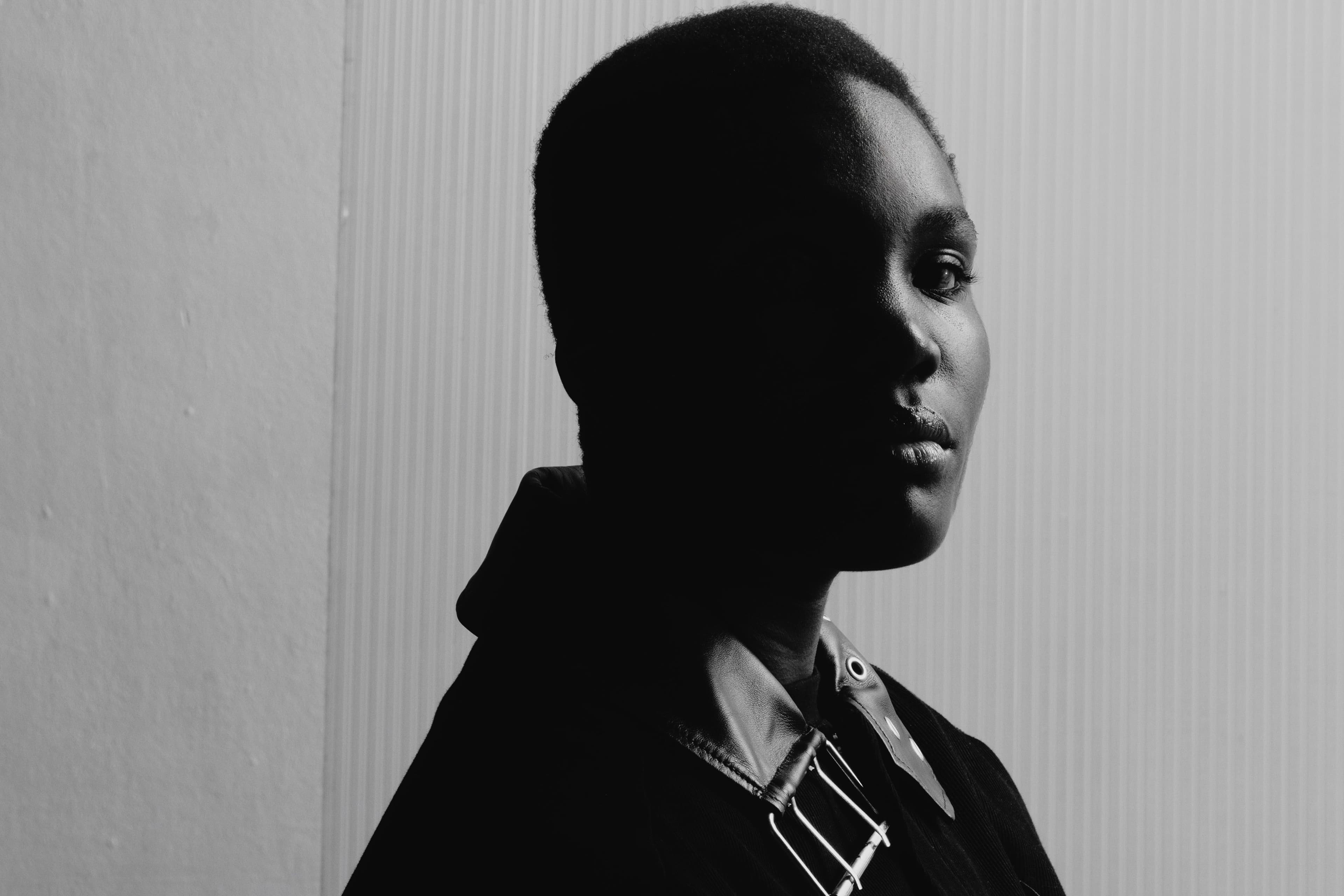
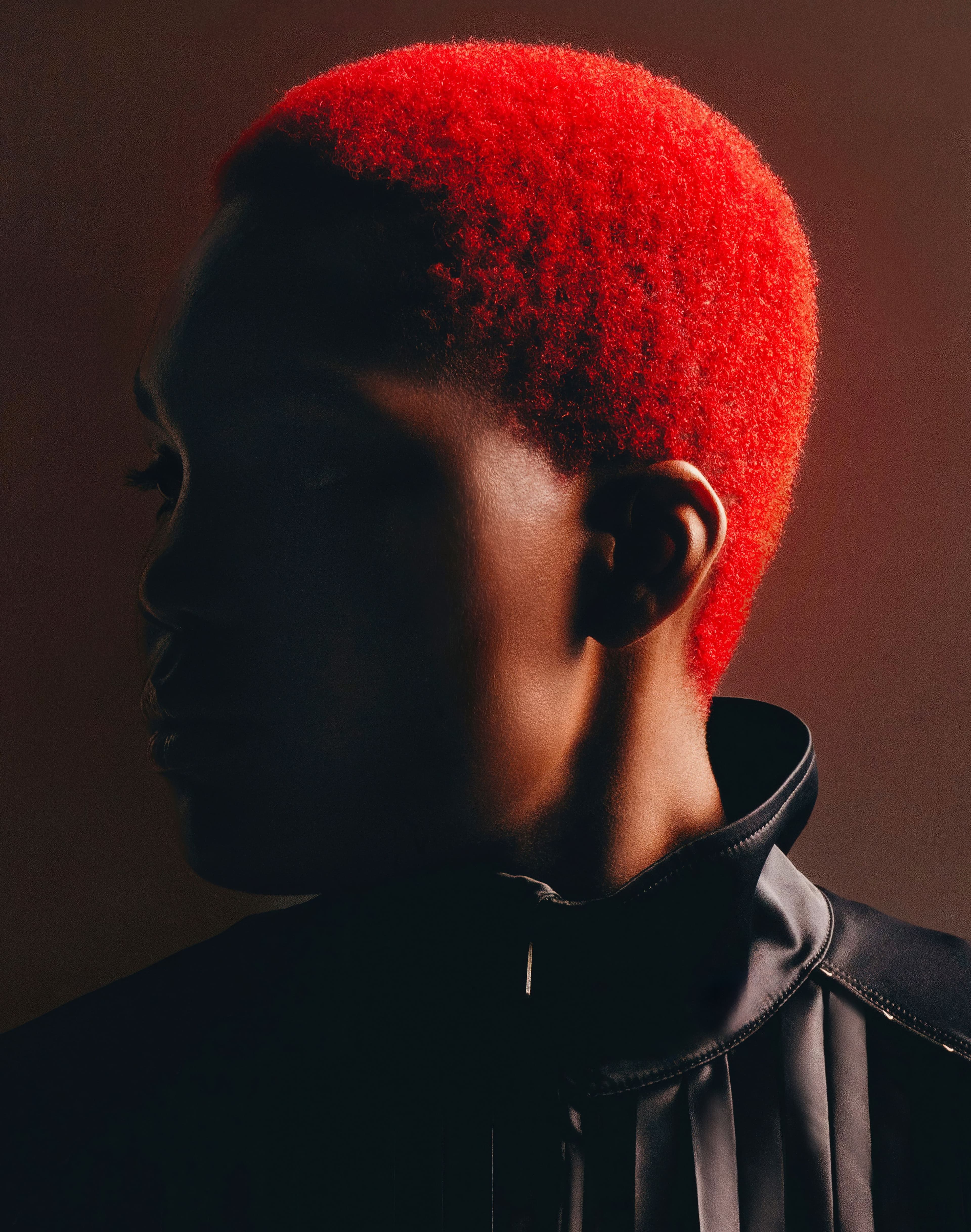
JACKET by a.v. vattev
Looking back at her previous two records, Parks reveals they were built more quickly: “Every song was made that day, and then I kind of just left it.” Ambiguous Desire is the first project where she allowed herself to sit inside the process—leaning into synths, samplers, and drum machines, and embracing the unpredictability that comes with them. “There’s something very different about working with a synth rather than working with an acoustic guitar in my room,” she continues. “I had to have the confidence to throw my voice over a beat and relinquish control. Maybe it doesn’t sound good immediately, but what happens if I just throw myself into it and don’t really think about it? From a production standpoint, this is the most time I’ve ever had to actually produce a record.”
Another single, “Heaven,” meanwhile, is less abstraction than document. The song vividly reconstructs a night Parks spent watching her friend, the DJ Kelly Lee Owens, play beneath Los Angeles’s Sixth Street Bridge—champagne in the green room, metallic lights flashing across the crowd, the search for a friend wearing bright pink Adidas. “It was just a night that I didn’t want to forget,“ she says. “A lot of my songs are moments like that—things and details that I want to freeze.“
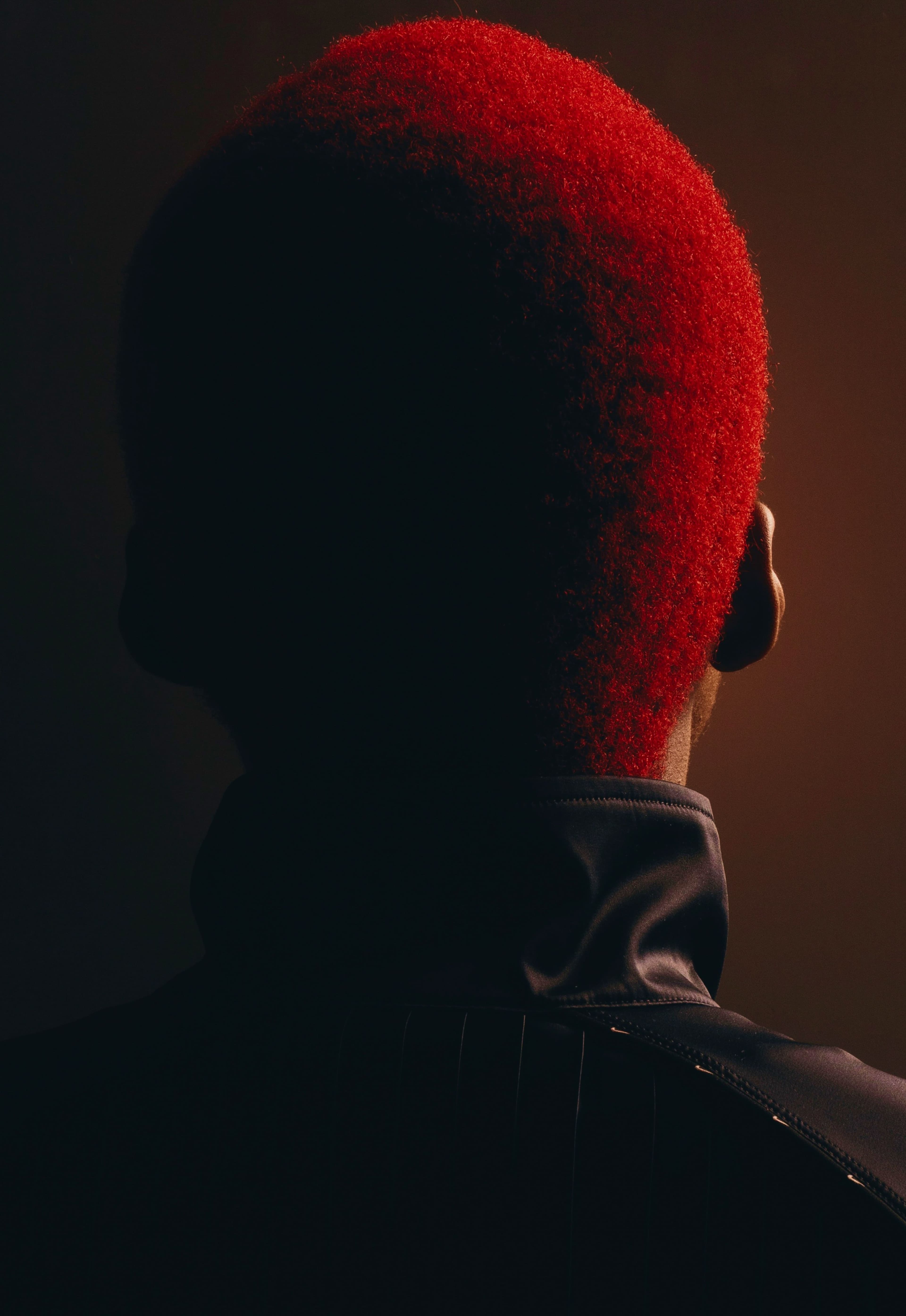
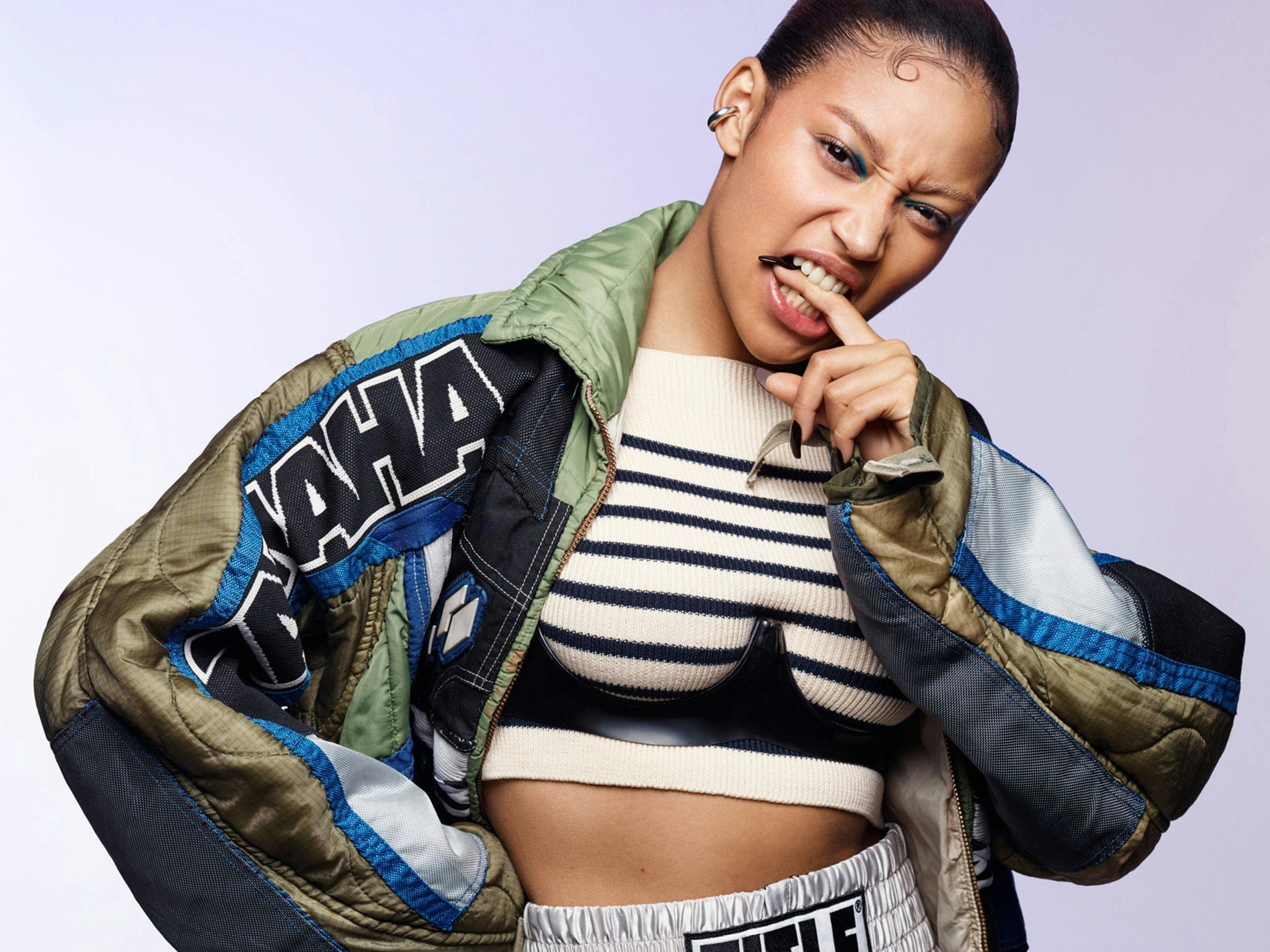
JACKET by Nike
The thesis of Ambiguous Desire lives right in its title. Desire, for Parks, is not a singular feeling but a shifting set of impulses—romance and lust, naturally, but also something quieter and more internal: the desire for self-acceptance, for stability, for being held by one’s own life. “Love is very much at the center of the record,” she says. On “Senses,” that longing turns inward: “‘Senses’ is an example of where I want to accept myself in the way that a best friend might, or a lover that really understands you might.”
But desire also rings most loudly in the crowd. Parks describes the dance floor as a place of “weird intimacy,” where strangers share a few hours and feel briefly interconnected. “Desire, I’m almost inflating as a wanting in general,” she says, “whether it’s wanting to freeze this moment, not wanting the night to ever end, wanting to be wanted.”
The track also features Sampha, whose voice arrives late as an emotional counterweight, tracing that same tension toward self-recognition—“the clarity lies in the direction of pain.” The collaboration came to life after Parks sent him the song with a simple note—“I think this is a song you’ll really understand”—and later watched him shape his verse in his London studio. “He has this amazing command of bittersweetness,” she says. “His voice itself feels like a woodwind instrument or like a cello. It just feels so ancient and beautiful.”
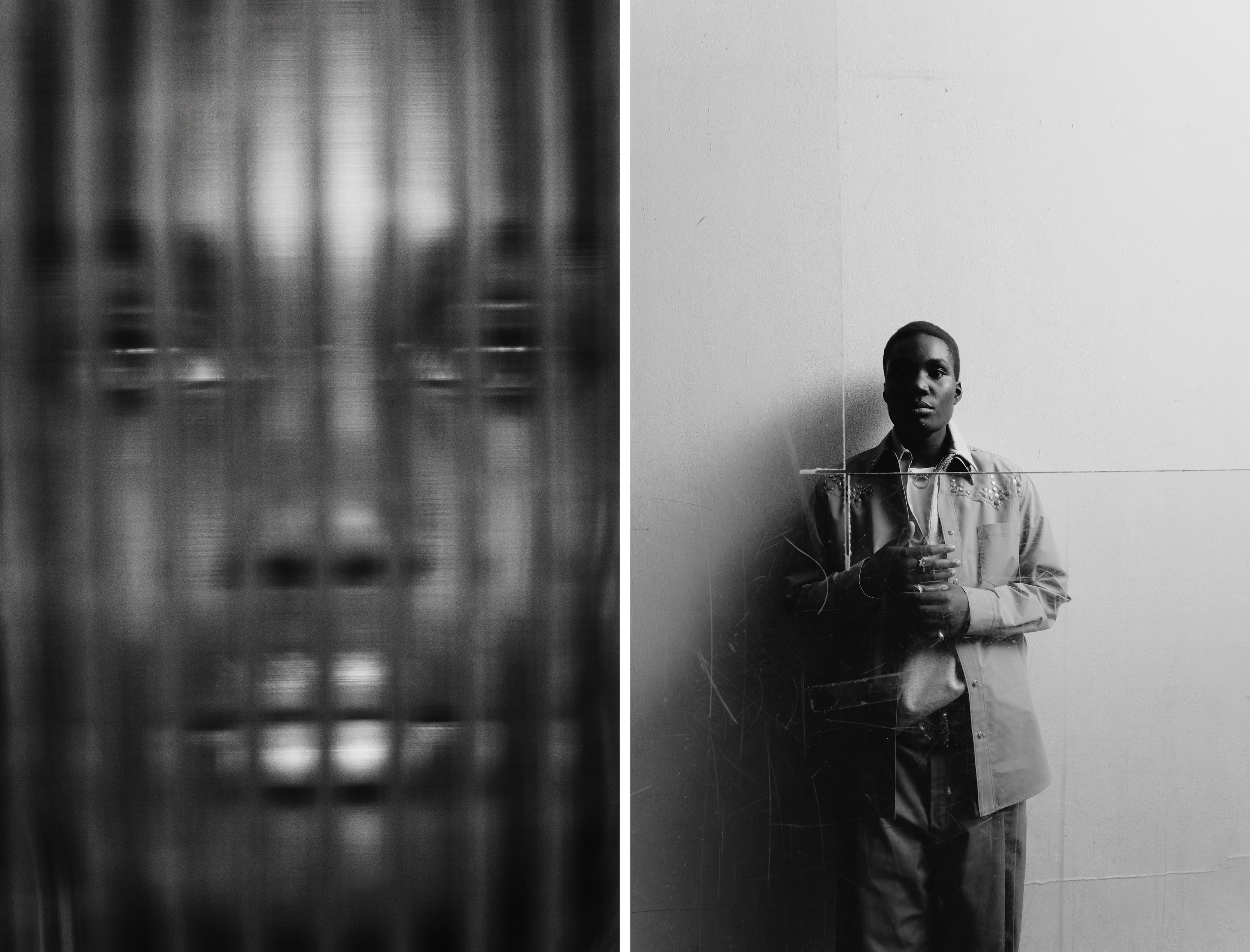
SHIRT and SHOES by Toga; TOP by Miu Miu; T-SHIRT by Uniqlo; PANTS by Louther x Carhartt WIP; BELT by Karthur Studio; NECKLACE by CC-Steding; RINGS by Bentley & Skinner and Millie Savage
Beyond its sonic evolution, Ambiguous Desire is grounded in a deeper sense of purpose. Parks is careful when she speaks about the history of the dance floor—not just as a site of pleasure, but as a space that has long held meaning for people at the margins: “For such a long time, dance floors and clubs were sanctuaries—safe spaces for queer people, for outsiders.“
In the present social and political moment, when connection can feel fractured, that collective release becomes its own kind of center. “The dance floor feels like this really kind of unifying space,“ she says. “You emerge back into reality feeling more alive.“
That philosophy extends into her current global tour, which spans dozens of cities across North America and Europe. For these shows, Parks has moved away from guitar-based arrangements toward samplers, drum machines, and synths, and has begun choosing venues for how they resonate physically—less classical, more industrial. “There was a time where maybe I was leaning more towards theaters or slightly more ornate spaces,” she says. “And now it’s more things that remind me of a warehouse—where the sub can really rattle through the space and you can really feel the sounds in your body.”
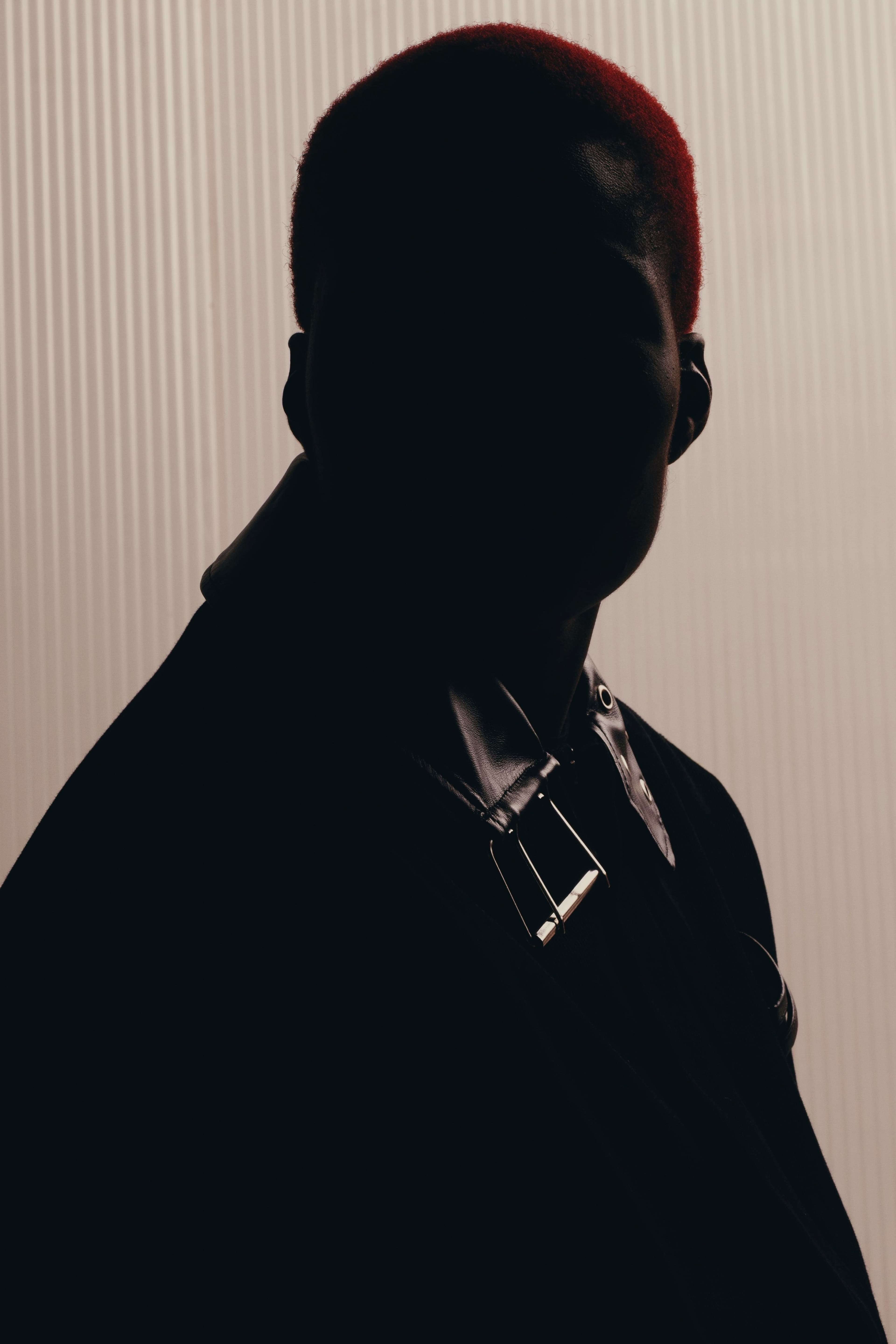
JACKET by a.v. vattev
Tomorrow, that means Fabric. In October, as the final date of the North American leg of her tour, it means Knockdown Center in Queens—a return to the cities and environments that shaped the album’s imagination in the first place.
If there’s any resolution to the album’s meditation on desire, it lies in the closing track “Floette,” which finds the clubgoer reemerging, renewed, into the real world. Parks explains that the final drum part was added nearly two years after the song was initially written, at a moment when she herself felt different—more settled, more certain. “There’s something euphoric about it. It ends in this place of self-acceptance,” Parks concludes. “There’s a sense of uplift in the sound, but the lyrics sit on this grounding bed of hard-won hope. It’s kind of beyond language, more of a feeling. I felt like I’d learned a lot about myself over the two years—and by then, I felt like I had arrived.”
Across three albums, Parks has moved from observer to participant, from the edge of the room toward its center. The voice remains—soft, precise, attentive—even as the world around it grows louder. The poet hasn’t disappeared. She has simply stepped fully into the room.
Be the first to see this story and many more in print by preordering your copy of our eleventh issue here. Arlo has selected UNICEF as the recipient of proceeds from direct sales of CERO 11.
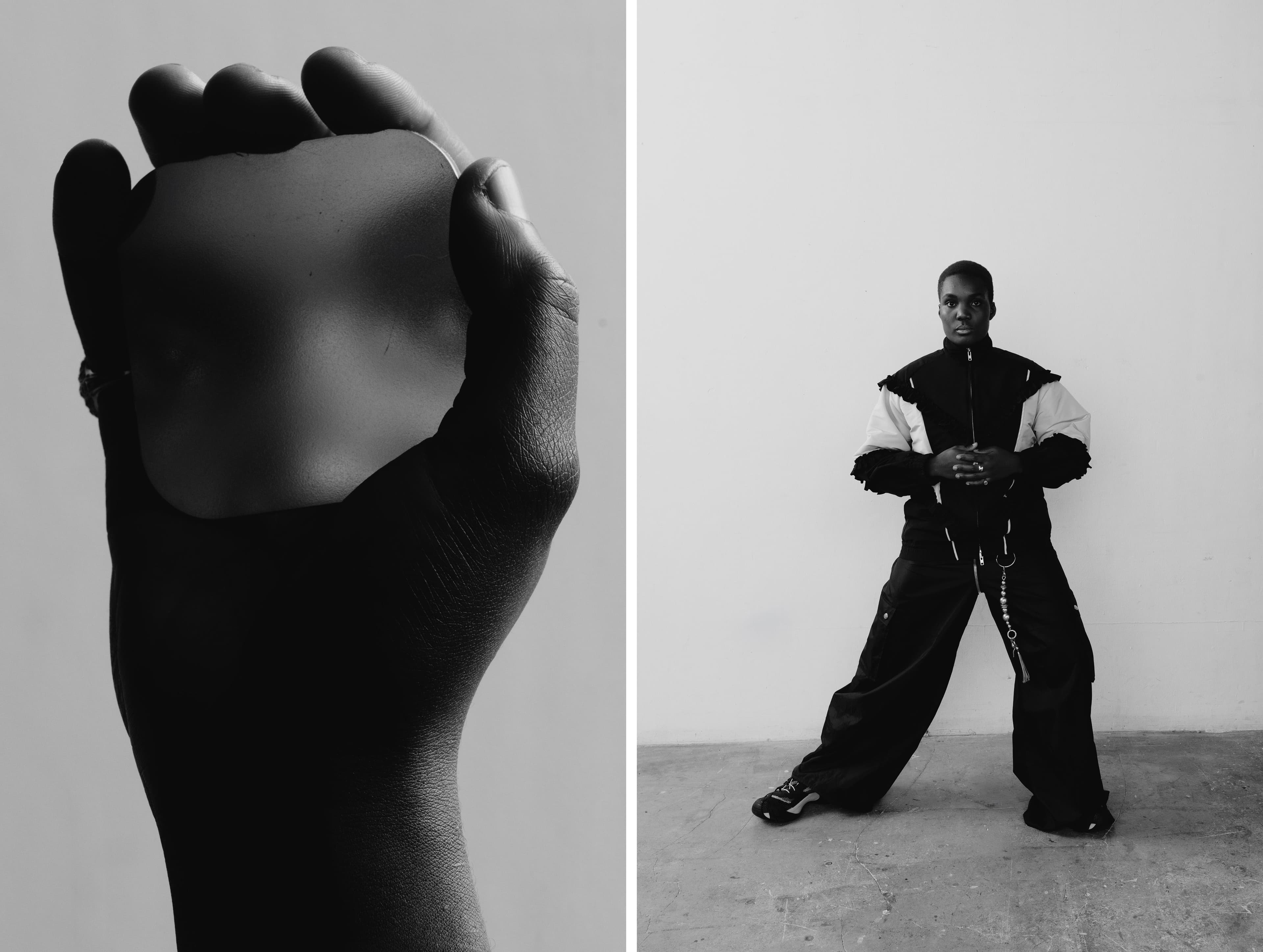
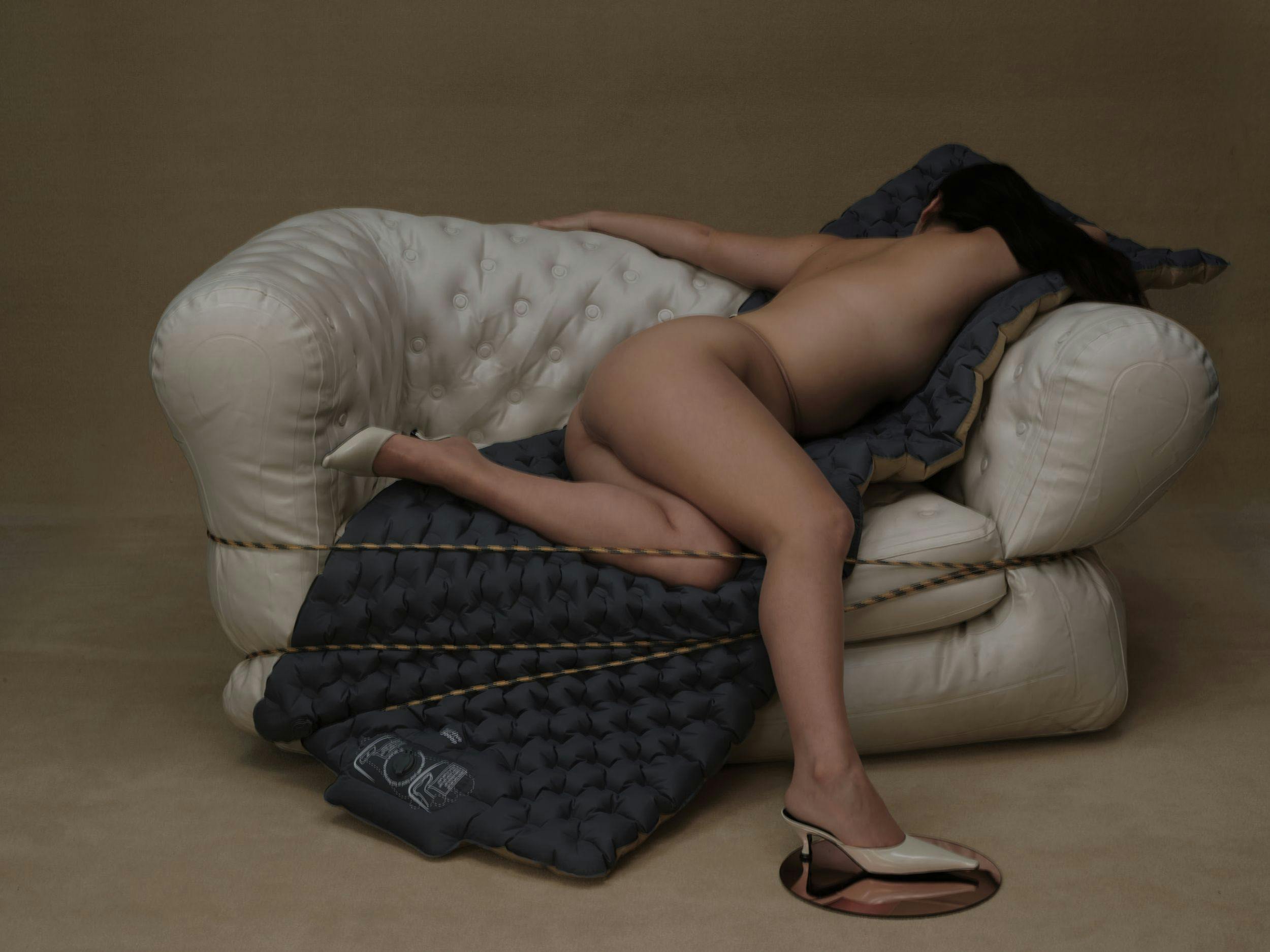
JACKET by Simone Rocha; PANTS by Viktoria Zuziak; SHOES by Camperlab; RINGS by CC-Steding; CHAIN by Catarina Dias Silva
As a nonprofit arts and culture publication dedicated to educating, inspiring, and uplifting creatives, Cero Magazine depends on your donations to create stories like these. Please support our work here.