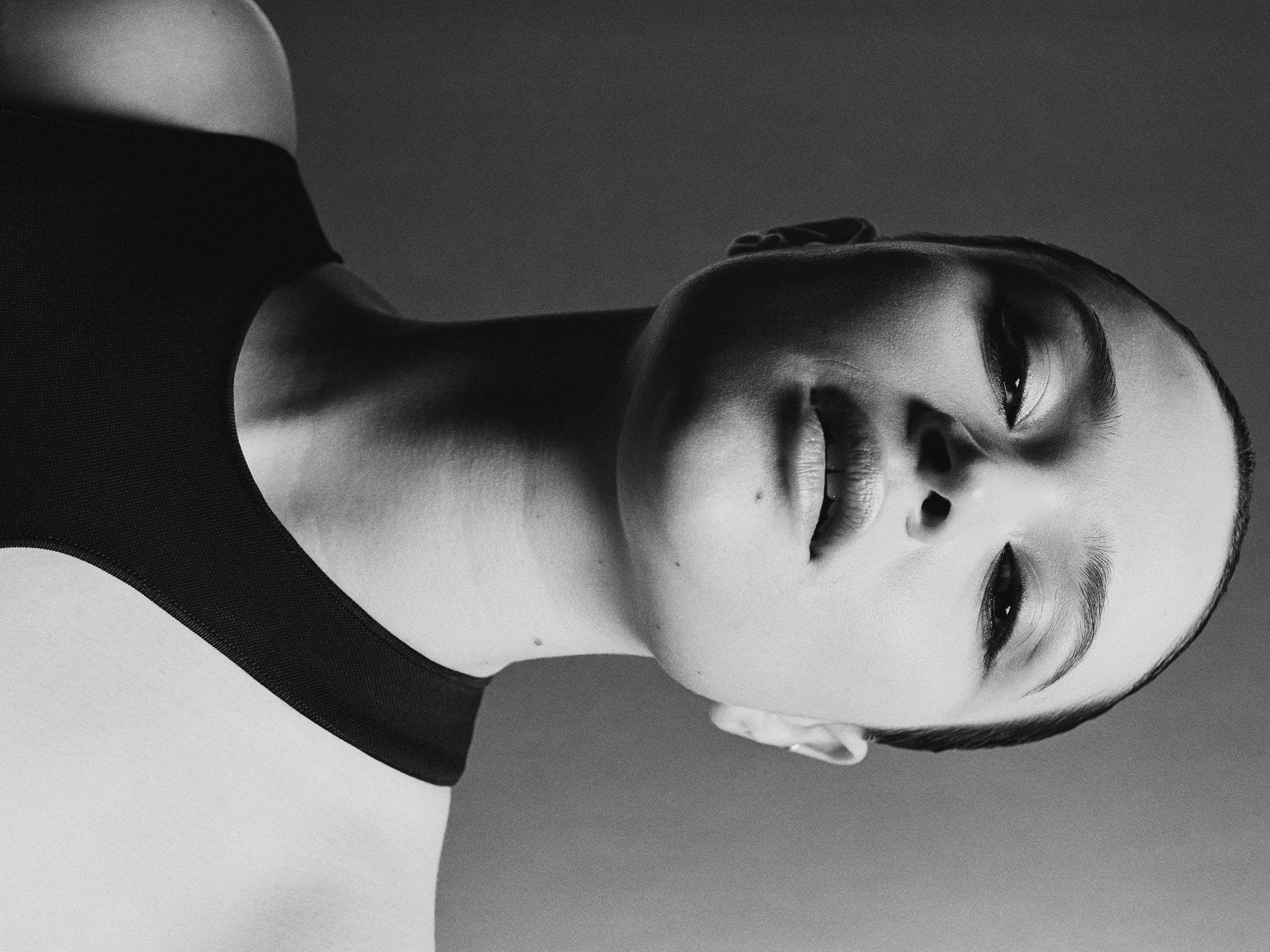
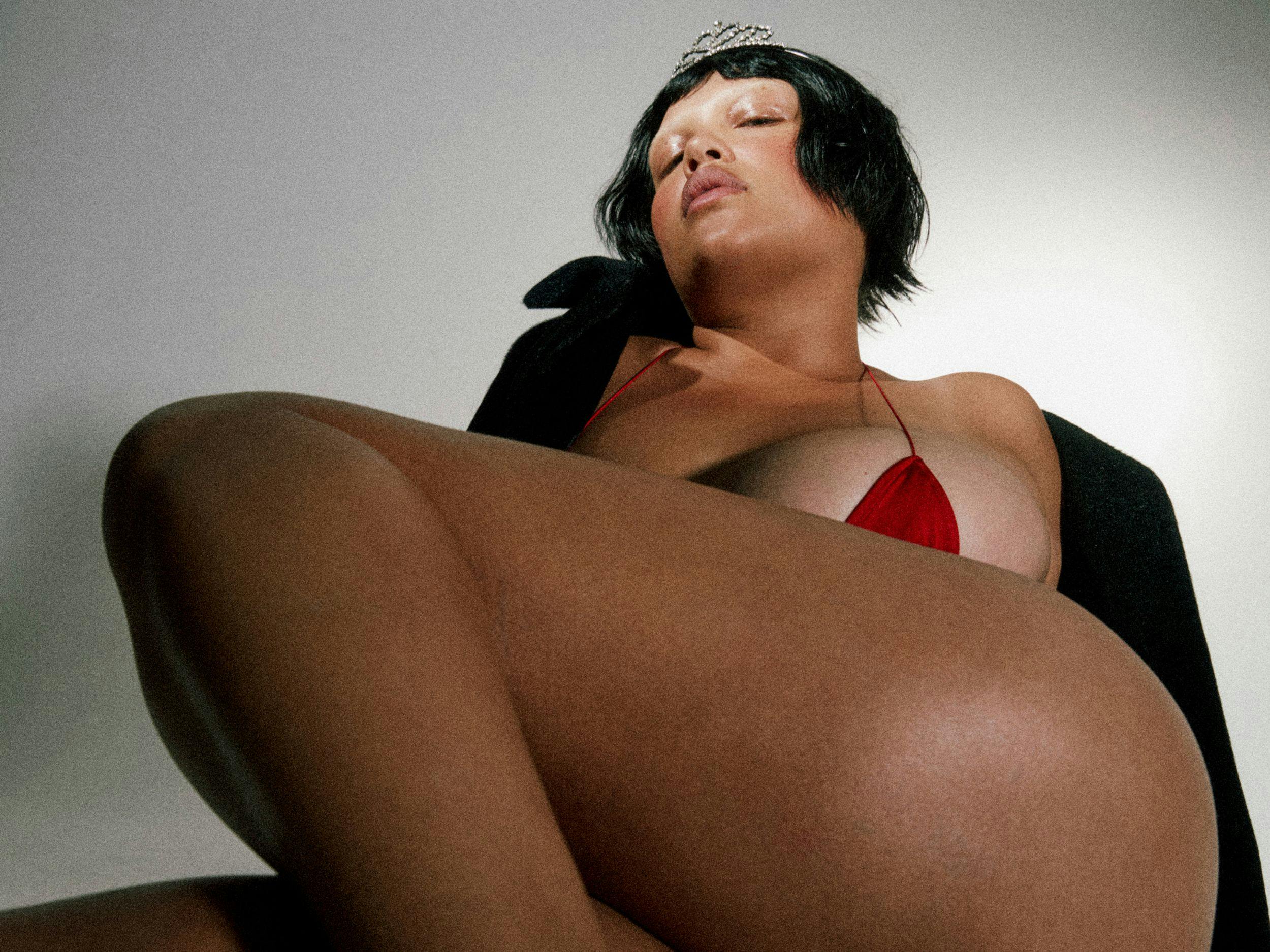
DRESS by Fendi; BRA by Araks
Elizabeth Yu Is Taking It All In
For millions of viewers, Avatar: The Last Airbender’s Azula is one of television’s most unforgettable villains. A fire-bending prodigy, she is ruthless, precise, and often unnervingly composed. But Elizabeth Yu, who plays her in Netflix’s live-action adaptation, sees someone who is way more than those villainous descriptors would suggest. “I’m an Azula sympathizer until the day that I die,” she says with a laugh.
Avatar: The Last Airbender follows a world divided into four nations (Water, Earth, Fire, and Air) in which certain people can “bend” the elements associated with their nation. The Fire Nation, under growing imperial expansion, wages war across the world, initiating a genocide against the Air Nation and leaving destruction in its wake. At the center of the story is the Avatar, the last remaining airbender named Aang, who is destined to master all four elements and restore balance to the world. Against that backdrop, Azula enters on behalf of the Fire Nation and her father, Lord Ozai, to expand their territory, gain more power, and thwart the rise of the Avatar.
Over the course of our conversation, it becomes clear that Yu isn’t interested in reducing Azula to labels like “evil“ or even “villain.“ After two seasons as the Fire Nation princess in this latest live-action interpretation of the beloved cartoon, she has come to understand her as someone far more complicated, a flawed young woman shaped by impossible expectations, devastating loneliness, and an upbringing that left little room for vulnerability.
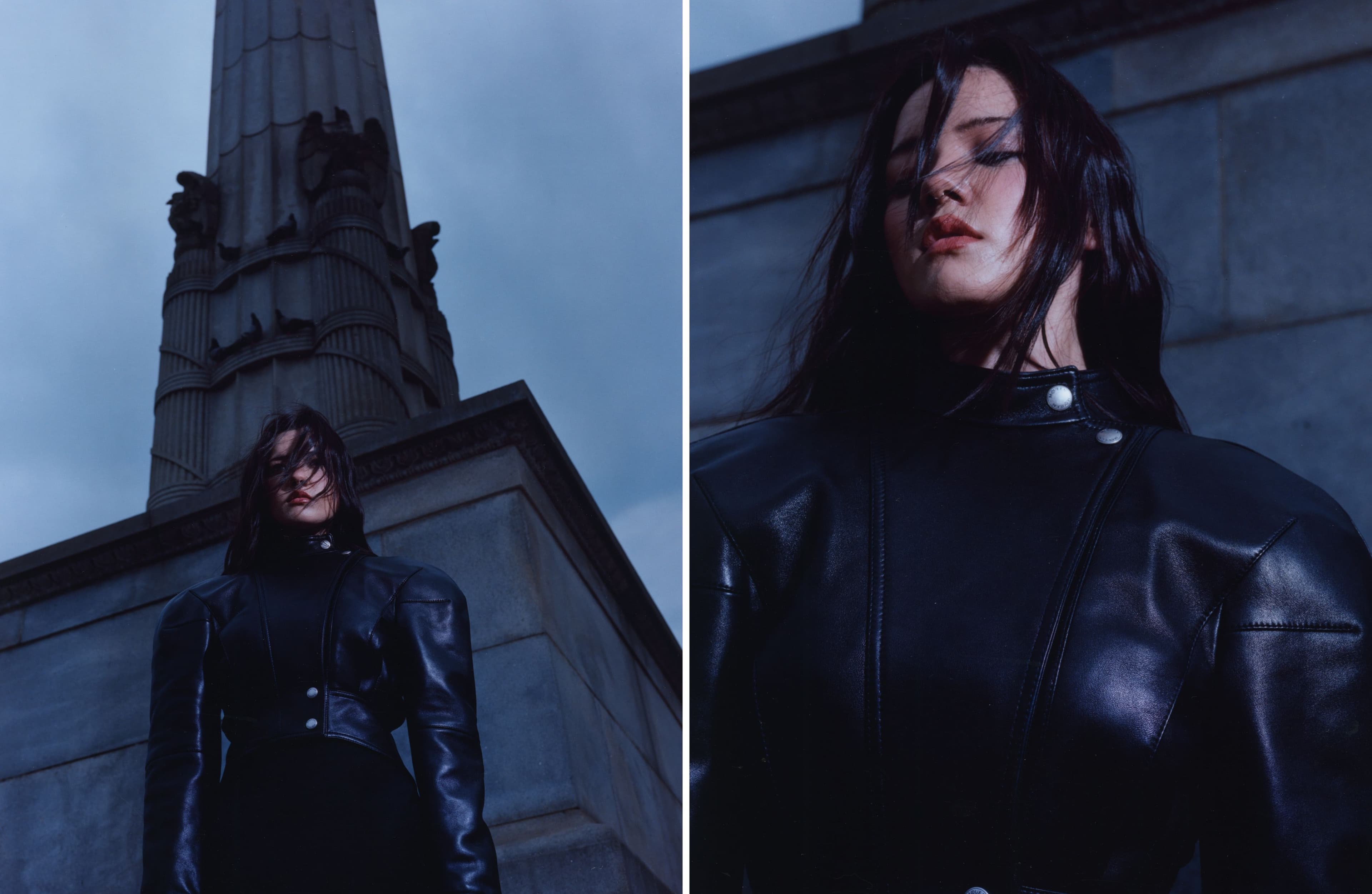
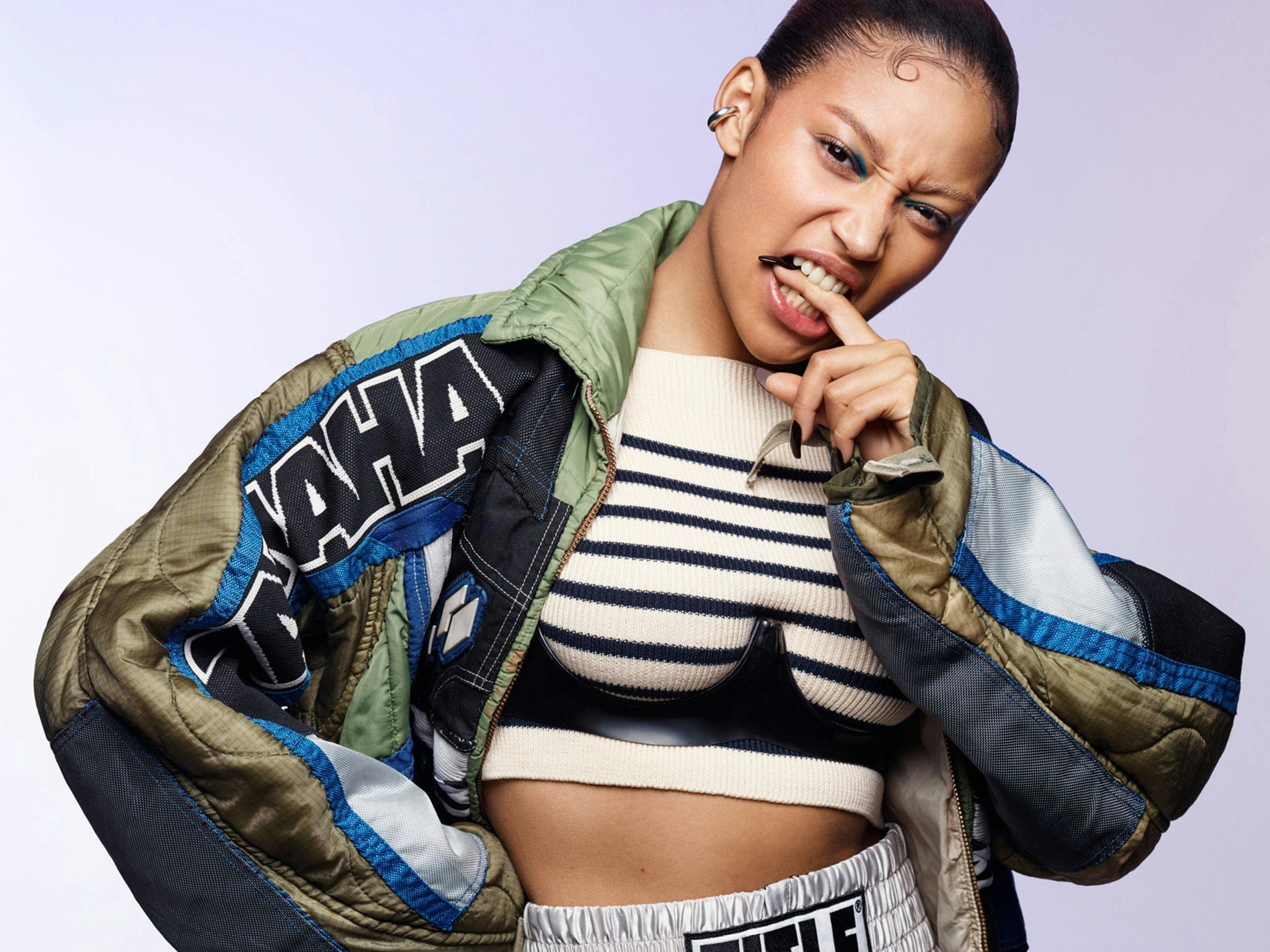
All CLOTHING by McQueen
Speaking on Zoom from Brooklyn during a whirlwind press tour for season two, Yu is warm, thoughtful, and quick to laugh, all qualities that feel worlds away from the icy confidence she brings to screen. “I think I was a little bit scared of her when I first did season one,” says Yu, who was nineteen when she first stepped into the role. “I think I was mainly coming to her as that teenage girl and being like, There’s just probably so much anger and passion inside of her. I was a bit like, I don’t know if I feel super comfortable with being this mean to people. There’s a little of me holding myself back a little bit.”
With a two-year gap between filming seasons one and two, Yu had a chance to reflect on her performance. “That’s a long time to sit and think about a character without actually playing it,” she says. “I kept thinking, If I got the chance to go back, how would I see her differently?” The result was a deeper immersion into Azula. “Season two, getting the chance to play a character where I get to step outside of myself and be that confident, almost overbearing force in a scene, it became an escape from real life and also a practice in empathy and understanding truly why someone would do that and why they feel empowered by it,” she says.
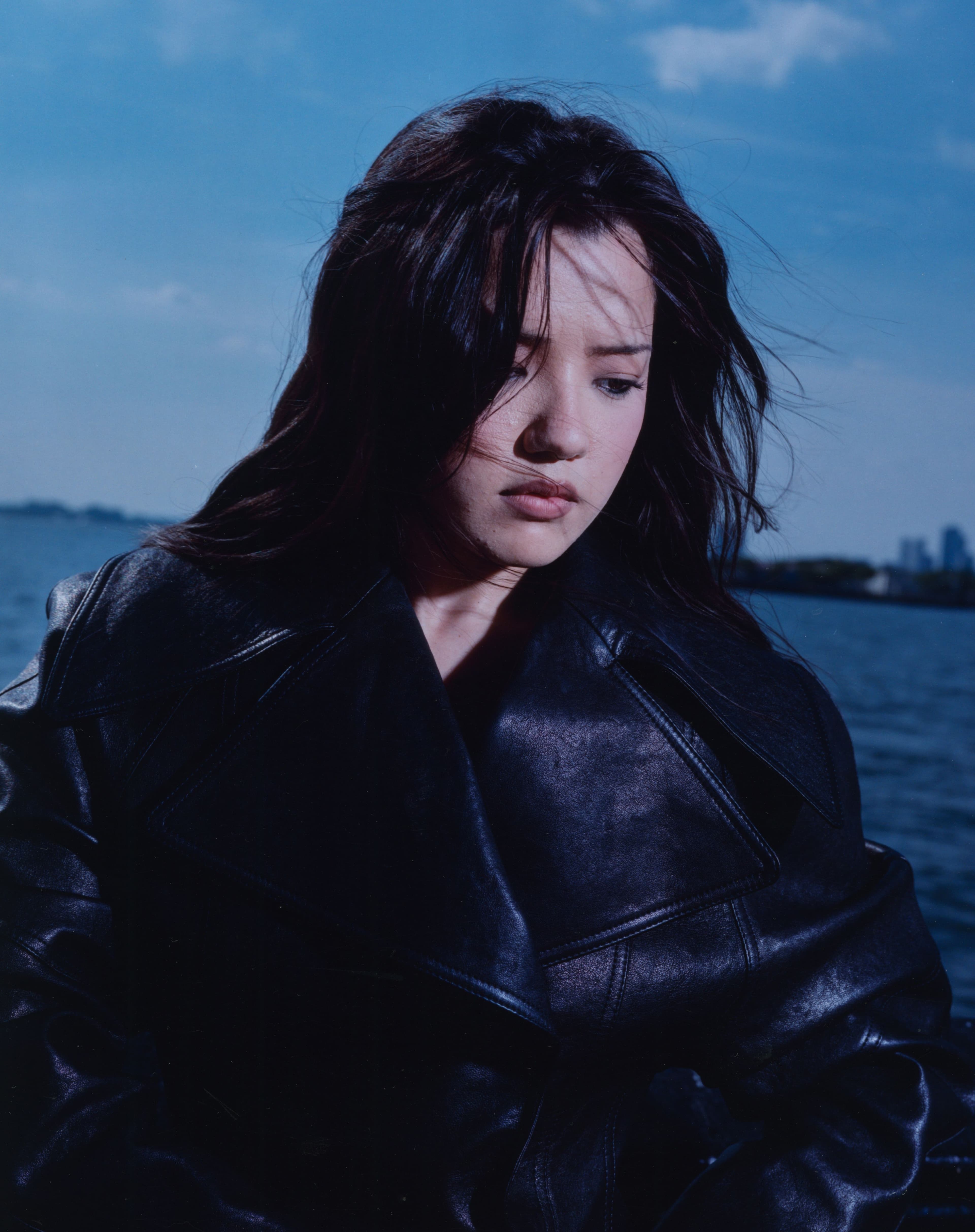
JACKET by Gucci
One of the most striking aspects of Yu’s performance is how often Azula appears perfectly composed while quietly unraveling beneath the surface. “The outside of Azula is very, very different from the inside,” the 23-year-old actor says. “She looks so put together, but it’s pure chaos within her. It’s like A Beautiful Mind,” she adds. “Or like SpongeBob running around with file cabinets trying to figure everything out. She’s constantly thinking of every possible outcome of any scenario.” But Azula has learned to handle herself through restraint. “She’s been taught that if you look powerful, you have to keep yourself contained,” Yu says. “Or else bad things will happen.”
Asked whether Azula is a villain or a tragic figure, Yu resists a simple answer. “I think it depends on where you meet her,“ she says, pointing out the dimensions we see whether she’s with her friends or engaged in battle. She also notes the influences surrounding the princess, such as the loss of her mother at a young age, a childhood spent under Fire Lord Ozai’s rule, with him pitting herself and her brother Zuko (played by Dallas Liu) against each other, and years of being taught that strength is synonymous with control. “My own personal opinion is I think that both her and Zuko are very much products of their upbringing,” says Yu.
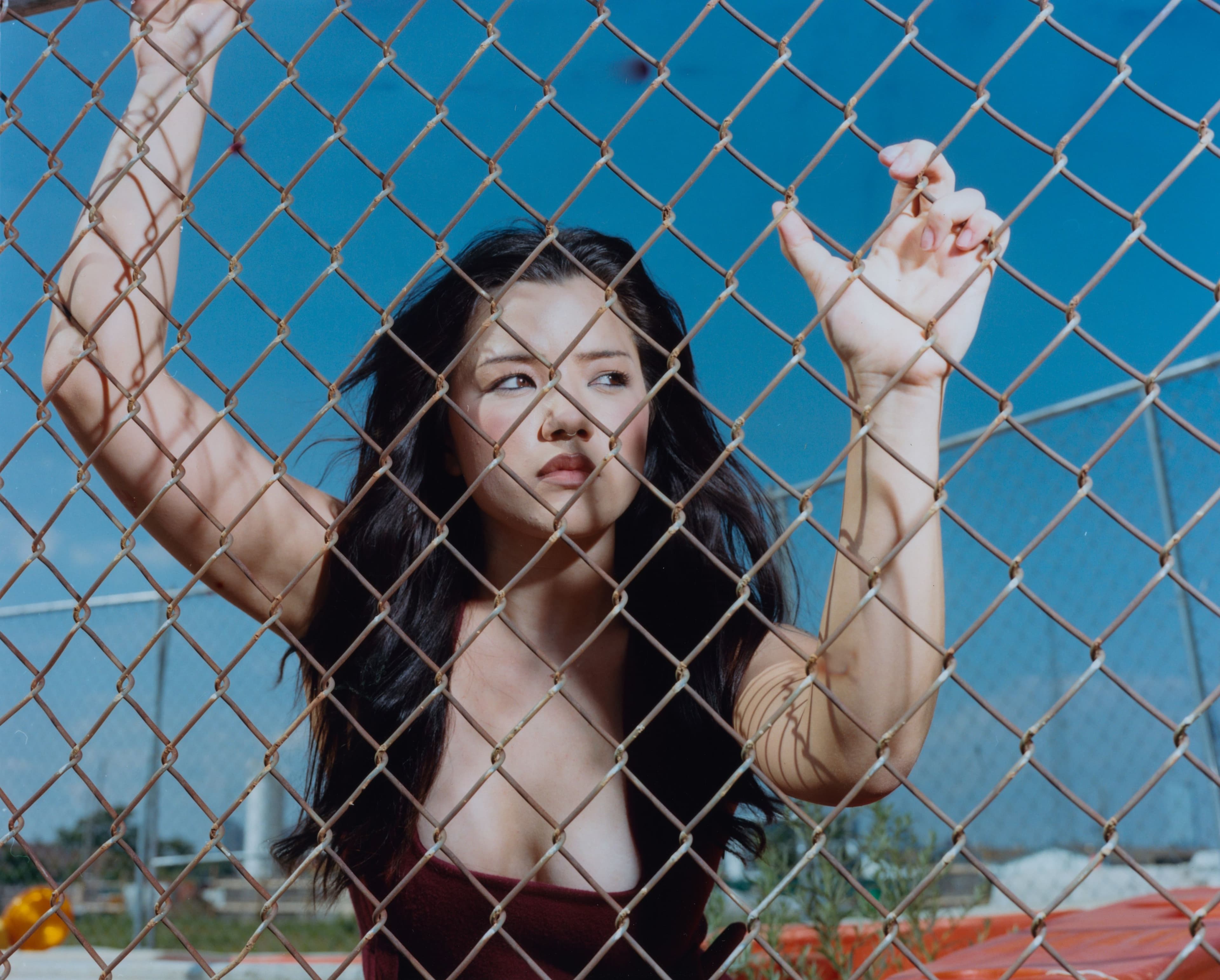
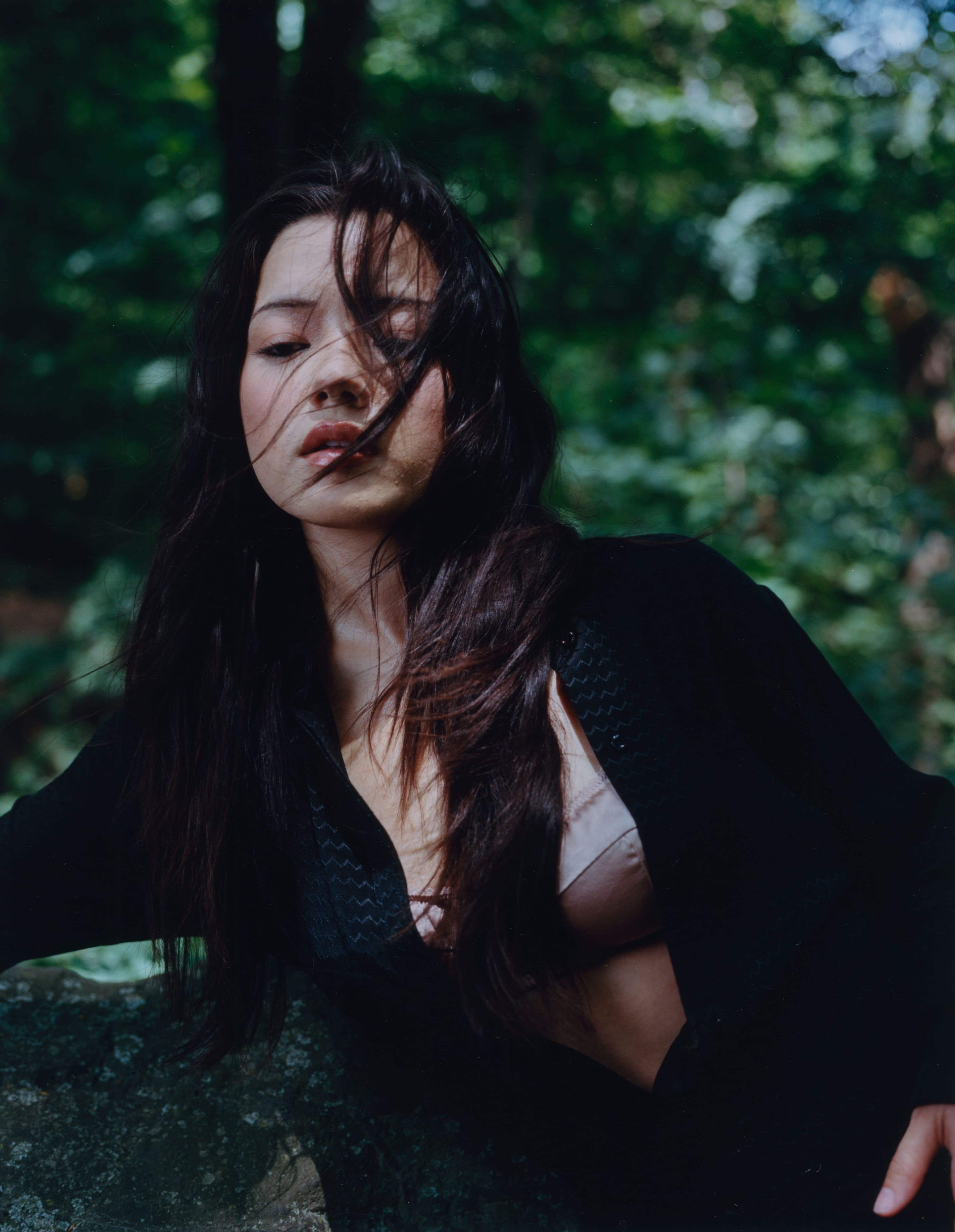
DRESS by Miu Miu
Yu’s relationship to acting began long before it became a career path. “I was that little girl who would be singing along to High School Musical,” she says. “Jumping on the couch with my older sibling, just screaming.” It wasn’t framed as ambition at the time, but Yu says she found herself watching the Disney Channel and thinking, “I want to do that.” In high school, it became a more serious pursuit. “My freshman year, I joined the drama program at my high school,” she says. “And I was like, Oh my gosh, this is the answer. I don’t know how I went so long without knowing that. It just made me connect to that little girl again,” she says, “and realize it wasn’t just fun. It was something I really loved.”
Yu grew up in a predominantly white town in New Jersey and is half Korean. “The only Asian people I really knew were family members,” she says. As Yu entered the industry and was cast in May December alongside Charles Melton and Julianne Moore, it expanded her sense of what familiarity could look like. “Working on May December, we were all actually half Korean. That experience had its own family-like feeling, and understanding that, Yeah, some of these life experiences that I hold really, really close and dear to my chest are actually not singular. They are a part of this lived experience of being half Asian,” she says. “I think that I’m still learning about what it means, and I think that the industry is too.”
Being cast in Avatar: The Last Airbender offered Yu yet another perspective. The series has been widely praised for its diverse cast and its fidelity to the original animated show, especially in contrast to M. Night Shyamalan’s 2010 live-action film. “I went on a journey of understanding what it means to me to be an Asian American while being part of this show. I’d never been in a room with more than like fifteen Asian people before working on Avatar,” she says. “It’s so cool getting to look around and see faces that are your own and getting to talk to people that you would otherwise never get to talk to about their experience and realizing that there’s so much more than just being singular in your own experience of being an Asian American. Especially as an actor trying to break into that industry. There’s a lot of incredible gifts that this show has given me in terms of being Asian.”

DRESS by Fendi; BRA by Araks
As for where she would like her career to go next, Yu is drawn to exploring the rich complexities of nuanced characters and focusing on their humanity. “I really love flawed women. That was part of what playing Azula has taught me,” she says. “There’s just so much of a whole world within them. One of the biggest joys of my life is getting to explore with Azula. So the idea of getting to do that with a completely different person who I then have to explore: what can I empathize with them and what can I learn from them, even though I might not agree with their decisions? I think that that’s super cool. That’s part of what my passion is with this job.”
When viewers revisit this version of the series years from now, Yu doesn’t hope they’ll simply remember Azula as a great antagonist. “I hope that they see her,“ she says. “I hope that especially women watching her see her and can feel all of the million different things that she’s feeling from being a woman in power who is surrounded by men and what that can do to someone. Also, finding your own femininity and using that as your power and just doing everything in your power to succeed and what that looks like. I think that that would be really cool if people watch it and see that at all,” she says. She pauses, then laughs. “But then, I’m also happy if they’re laughing at the quick quips that she says to other people. That would make me happy too.”
Avatar: The Last Airbender is now streaming on Netflix.
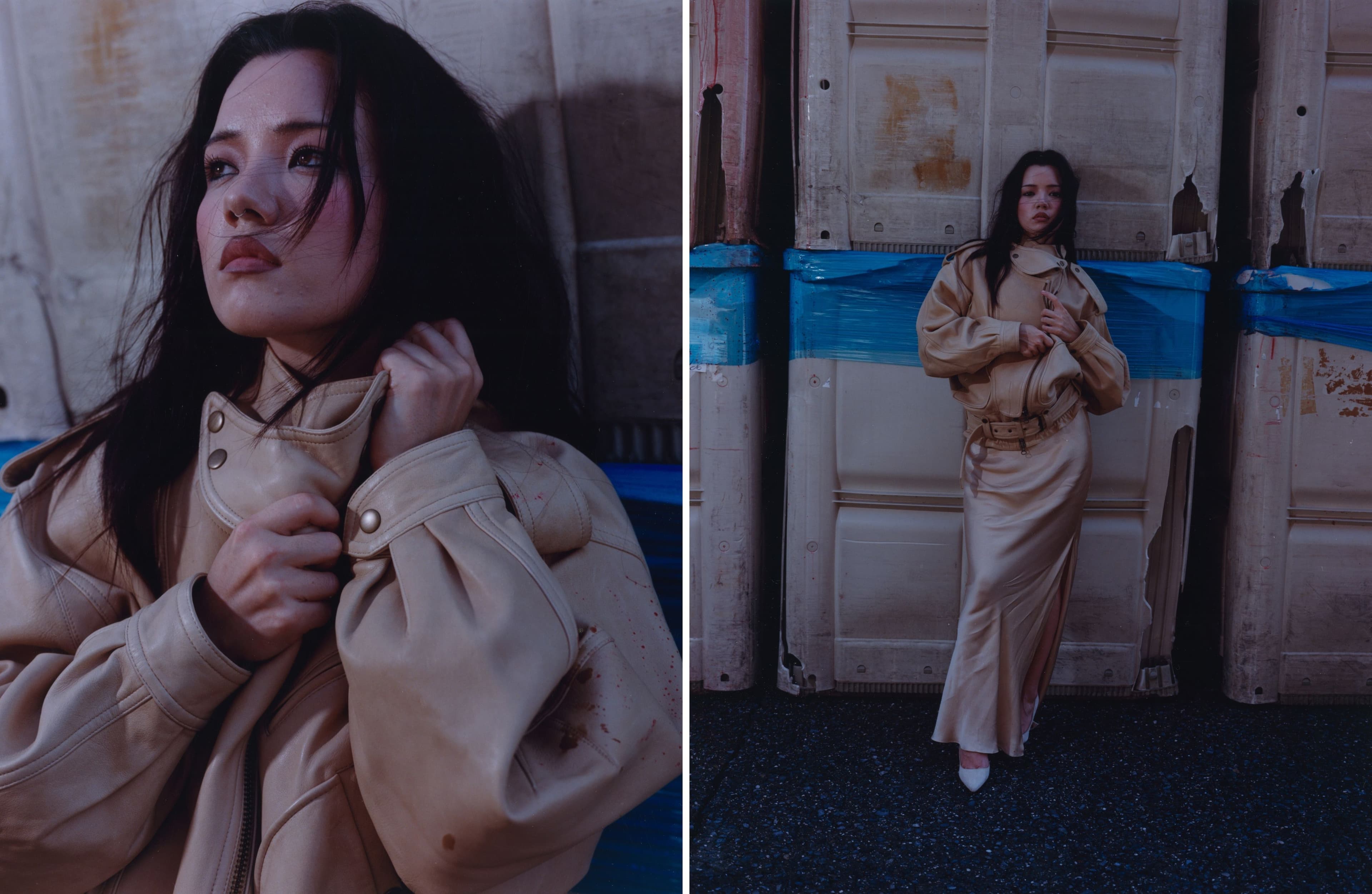
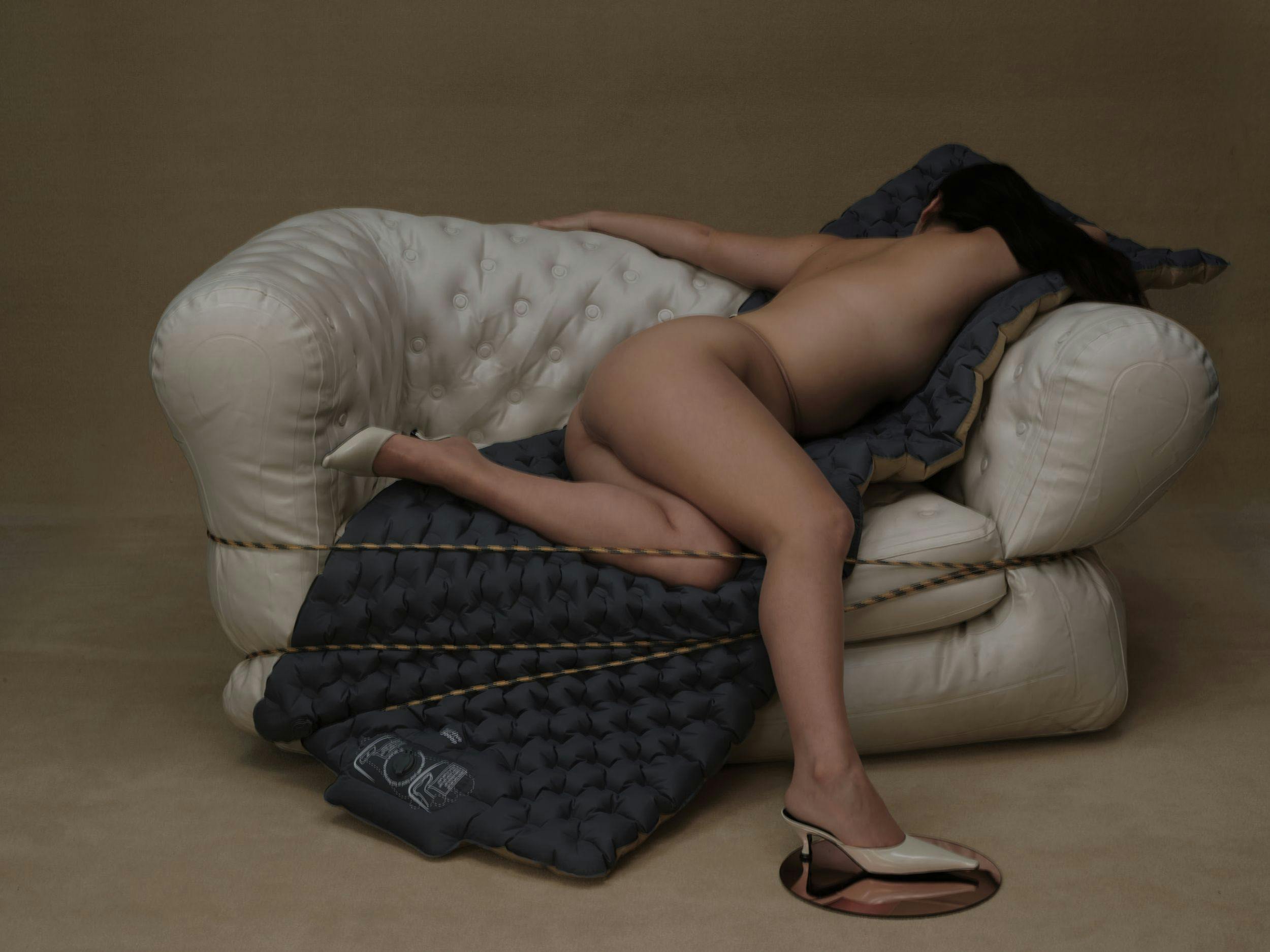
All CLOTHING by Isabel Marant; SHOES by Manolo Blahnik
As a nonprofit arts and culture publication dedicated to educating, inspiring, and uplifting creatives, Cero Magazine depends on your donations to create stories like these. Please support our work here.