


Latitudes Brings Two Visions of Côte d’Ivoire to New York
This spring, a new photography exhibition, Latitudes: Nuits Balnéaires and François-Xavier Gbré, spotlights Côte d’Ivoire through its two laureates’ different and distinct photographic perspectives.
Launched in 2024, Latitudes is an artistic series created by Fondation d’entreprise Hermès in partnership with Fondation Henri Cartier-Bresson in Paris and New York’s International Center of Photography. As a continuation of Immersion, the former French-American photography commission between the same partners, the program aims to showcase underrepresented artists and regions from around the world. Its chosen laureates are awarded a grant to create a new series of work, which is then shown in their home country, as well as the Fondation Henri Cartier-Bresson and ICP.
Côte d’Ivoire is the inaugural country to be honored in the two-year cycle. Artists Nuits Balnéaires and François-Xavier Gbré were selected to represent the West African nation with their work.
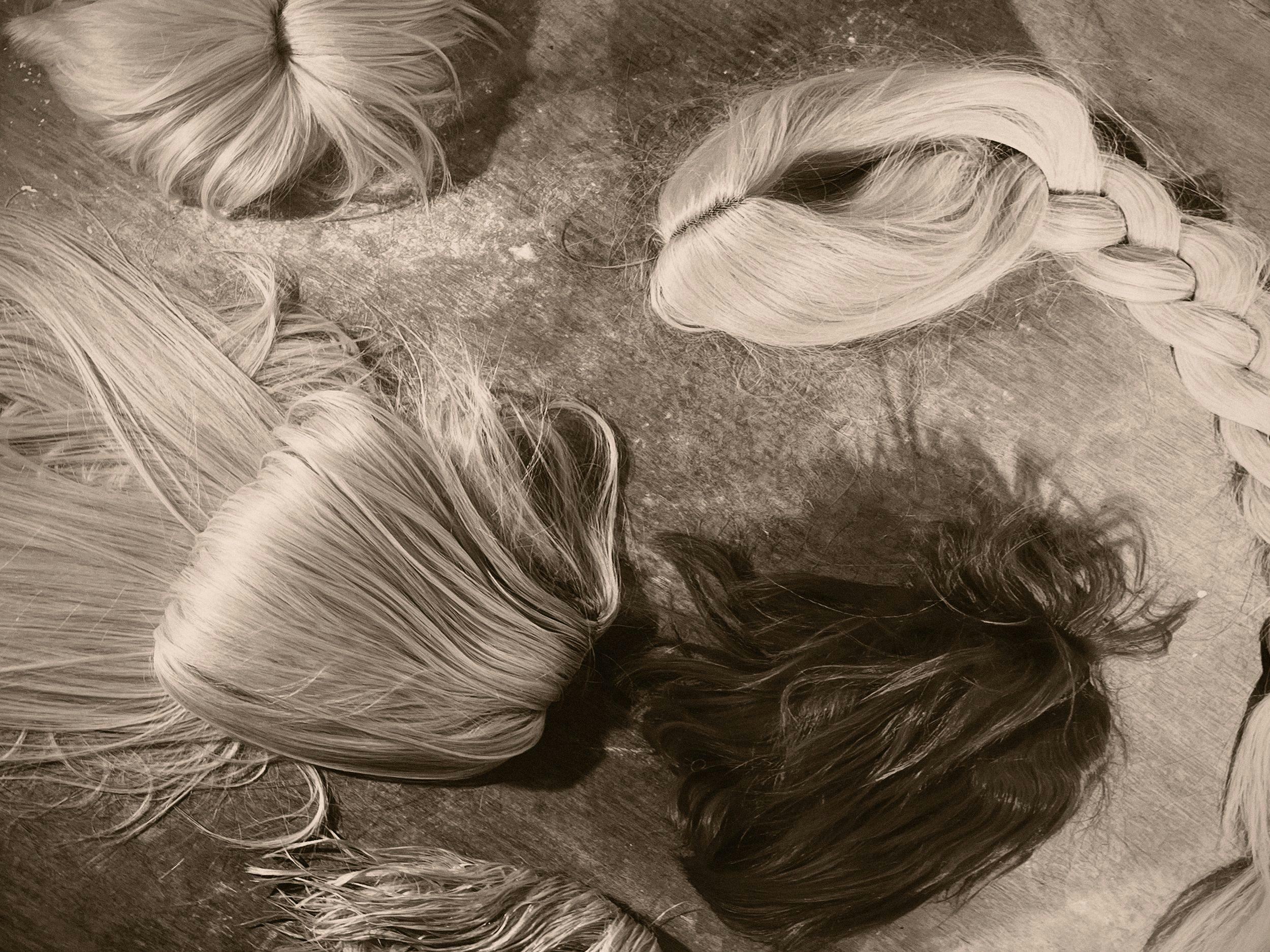
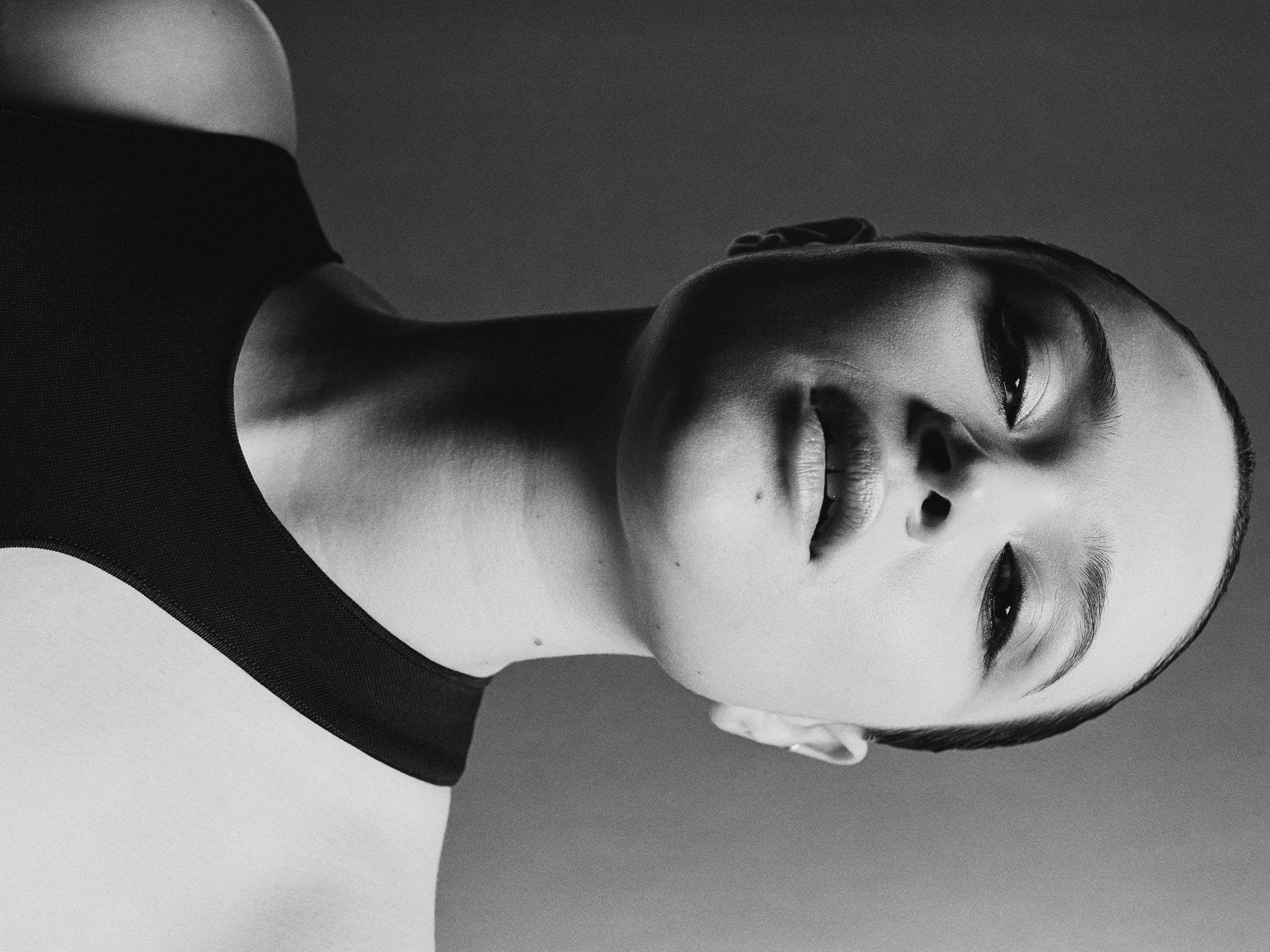
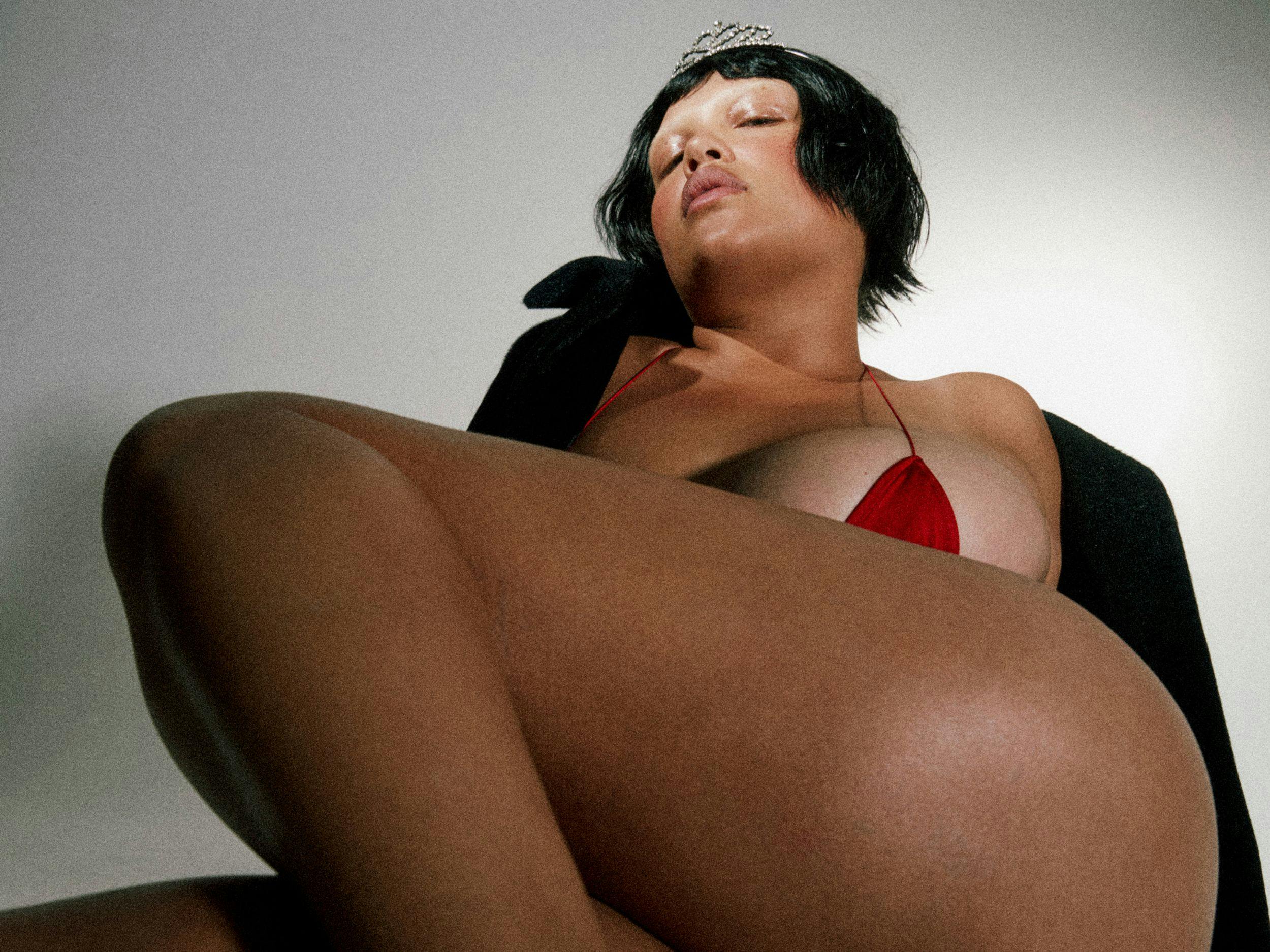
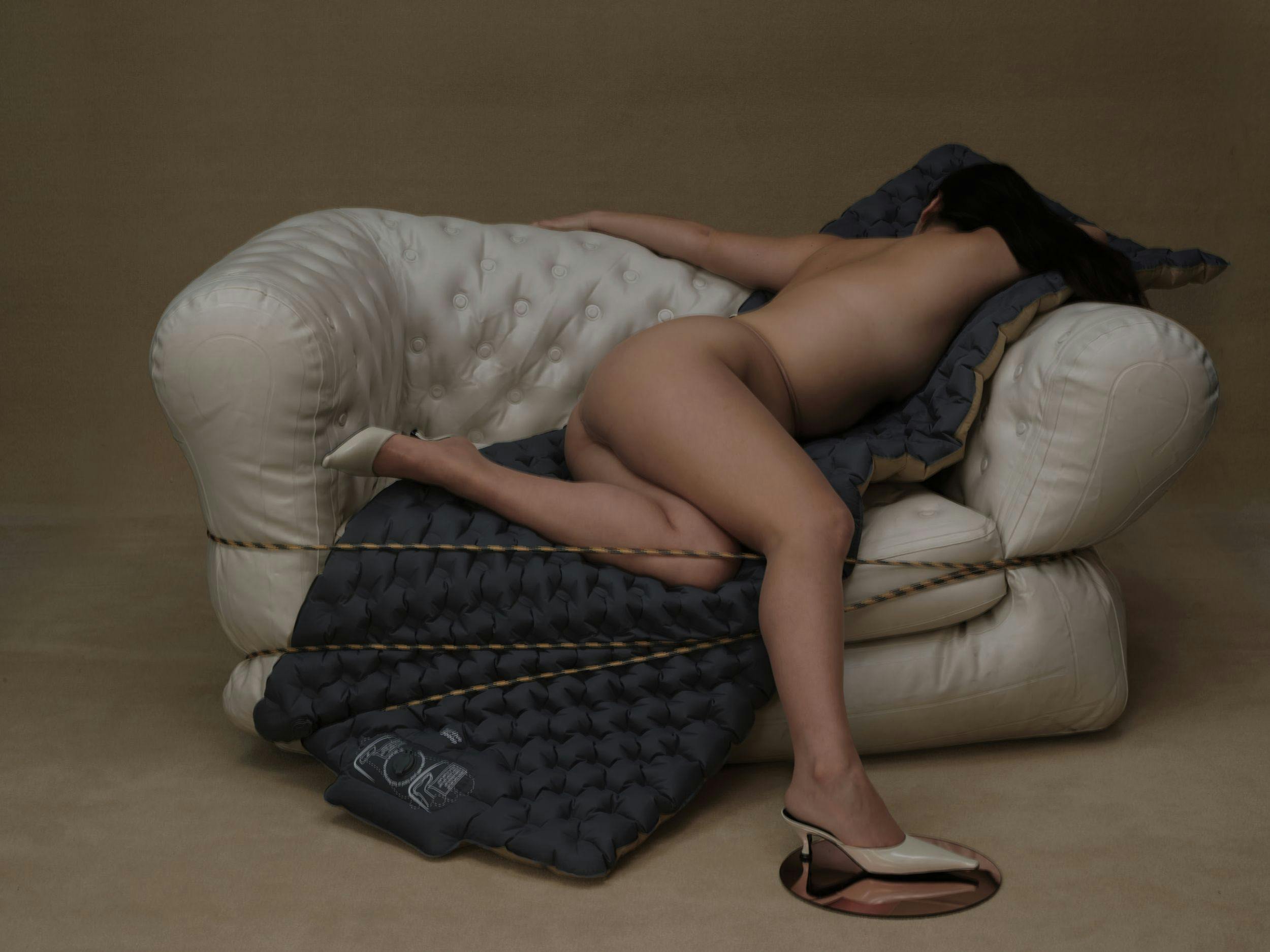
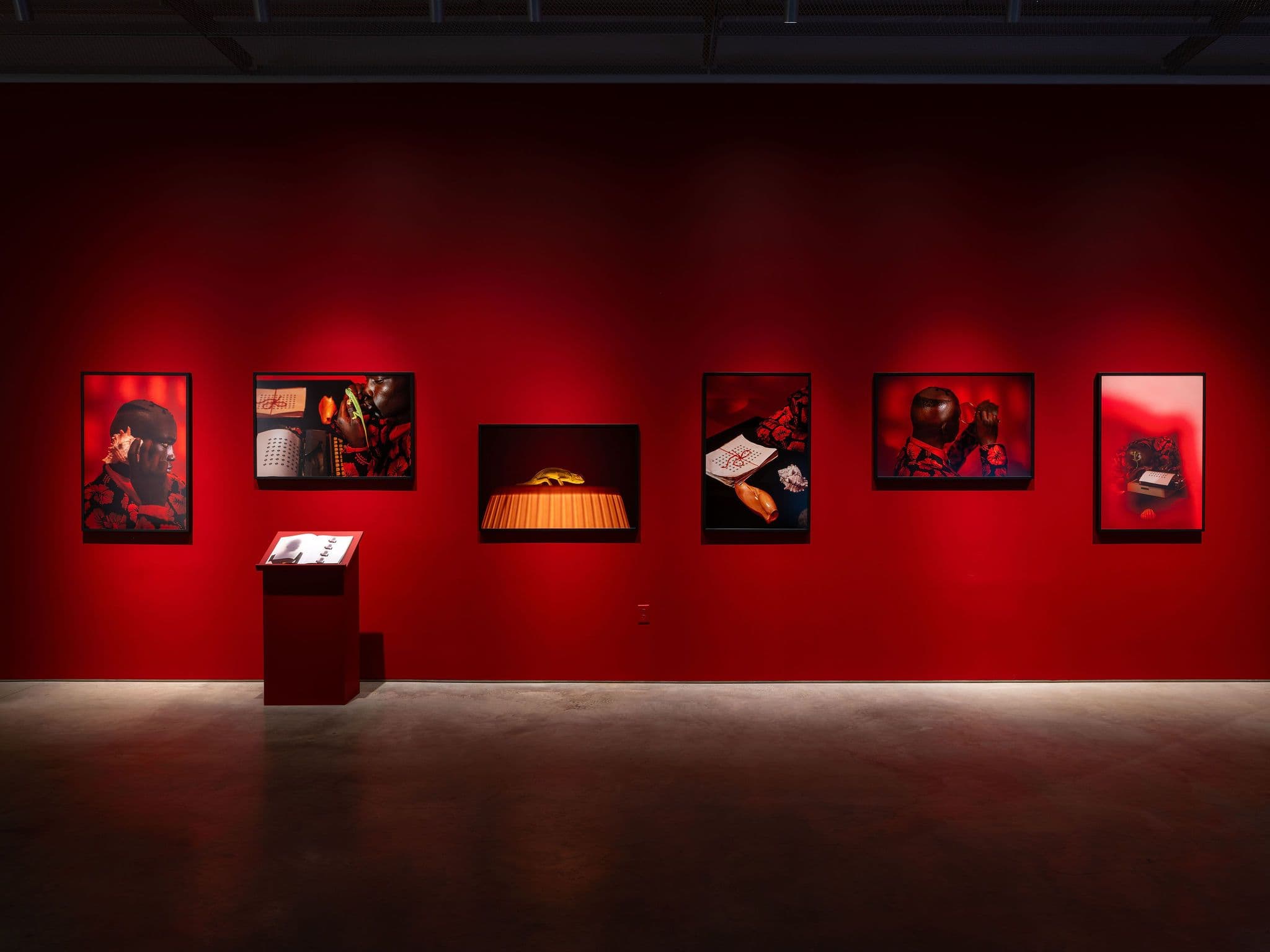
Balnéaires is a multidisciplinary artist and poet who was born and raised in Abidjan. His artistic influences include his family’s Akan Agni-Bona and Malinké origins, his fervor for the Gulf of Guinea, and his years of experience as a fashion and conceptual photographer. His series EBORO, which means ‘boundary’ or ‘border,’ merges the past and present while examining the arduous history of African independence, his own travel and migration experiences, and how these shape his vision of the future.
“I believe that, quite naturally, the foundation of this work is the multicultural identity of Côte d’Ivoire. It is nourished by the cultural mix and convergence of the entire region, as well as the wider world, and by interreligious and interethnic dialogue. All these dimensions are deeply rooted in oral tradition, in the importance of storytelling and symbolism in how we construct meaning and nourish our collective imagination,” Balnéaires explains. “My uncle, Noël X. Ebony, with whom I engage in a dialogue in this psychogenealogical exploration that inspires this work, was also a major figure in literature. His work has profoundly shaped the Ivorian literary landscape and beyond. Through EBORO, I wanted to take us collectively into a dialogue with our shared history. But, from a more personal perspective, it was also about exploring our ancestry in order to question our relationship to destiny. It is a project that highlights political, familial, and transgenerational entanglements. It also traverses different layers of reflection on time, memory, and the human condition, which remain constants in my work.”
EBORO’s images are characterized by bold colorways and silhouetted subjects accented with emblematic details. “The construction of these images draws heavily on the structure of the tarot, which, through the arrangement of iconographic elements, evokes the idea of destiny and possible paths. But it also draws on many other references, including literary, cinematic, and symbolic ones,” Balnéaires says. “I draw heavily on West African Akan symbolism, which condenses philosophical concepts, proverbs, and fragments of history, while blending them with universal references.”
As a poet and photographer, Balnéaires uses these practices to explore both implicit and explicit themes and experiences. “My poetry and writing function as an introspective and imaginative space, one that allows the reader to envision many different interpretations of the same described experience. An image, whether still or in motion, tends to establish a more defined frame for the experience of the story, guiding the viewer through a more structured visual narrative,” he explains. “In my practice, the two often nourish and inform each other.”
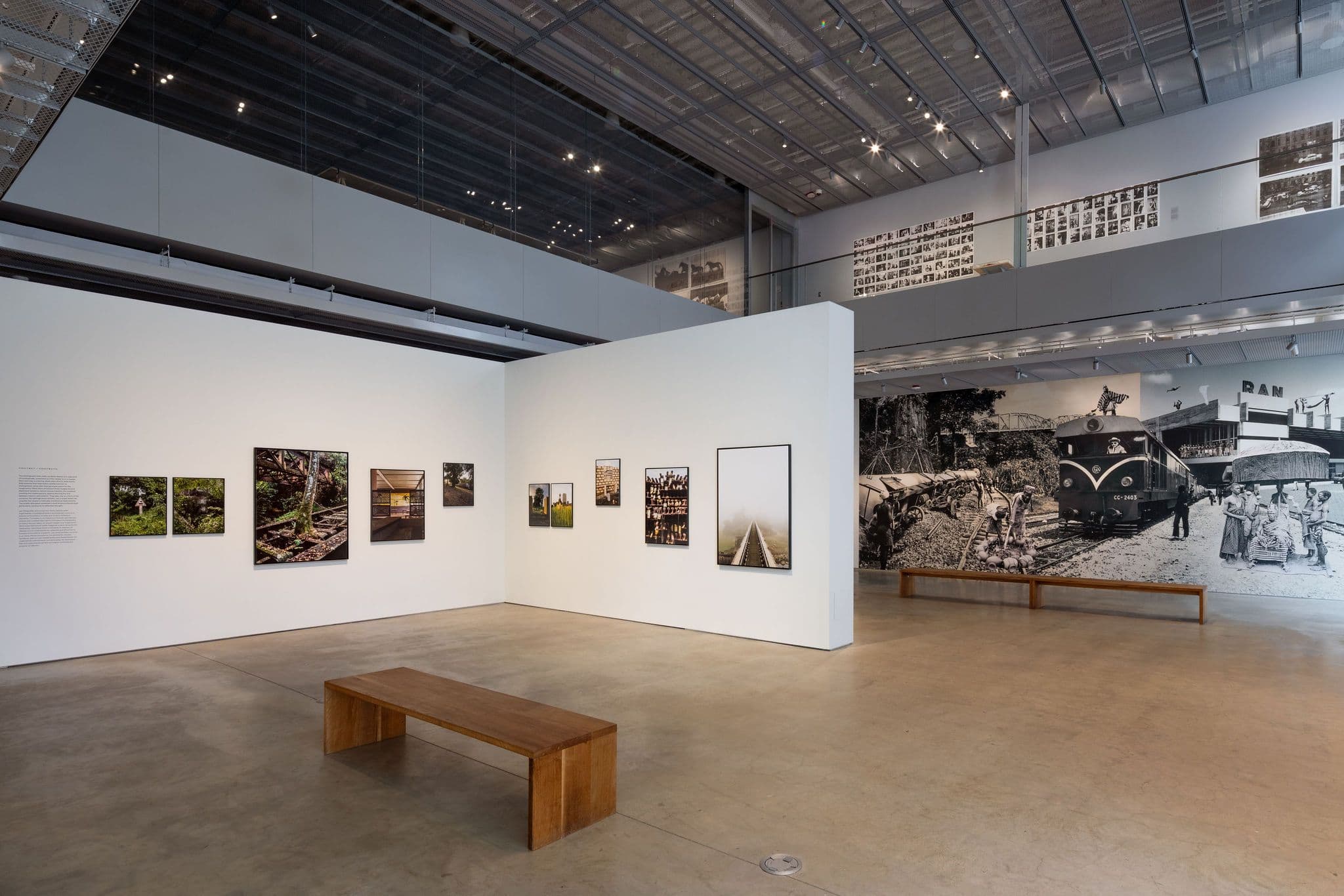
Through his series Radio Ballast, Gbré spotlights a rail line connecting Abidjan to Ouagadougou in Burkina Faso as an embodied exploration of Africa’s borders, its geography, and its fractious French-colonial era. In the title, ‘radio’ refers to the information-transmitting device, while ‘ballast’ is the bed of crushed rock on which the rails are set. The term is also railway jargon for vague rumors of uncertain origin. “I designed this project so that it would resonate far beyond its borders. Each of us has developed our own mental image of the train. Radio Ballast is firmly rooted in Côte d’Ivoire while also being part of a global history,” he explains. “I approached this story in a very personal way by following the railway that runs from north to south through Côte d’Ivoire, traveling on foot, by car, and by train along the six hundred and thirty-nine kilometers. I wanted to tell a little-known story, to reveal forgotten or overlooked places, first and foremost to take Ivorians to places they have never been, to help them rediscover their country. And then I lead the audience to question it. The railway is both a tool and a powerful symbol of development.”
Gbré explores the intersection of contemporary Africa and its history through striking snapshots of the country’s landscape and architecture. His images explore imprints of human activity in built and organic environments around the region. “Over time, with patience, I am building an archive to preserve our collective memory. Beyond their æsthetic appeal, the places I photograph are steeped in history: the refusal to submit to colonial authority and the Abbey people’s revolt in 1910, the evangelization of part of the population, the renaming of certain villages that now bear French names, or more recently, the division of the country and the political-military crisis of the two-thousands,” he explains. “My work is constantly nourished by the back-and-forth between past and present. Moreover, in addition to my contemporary photography, I use archives as material from the past to serve a more current purpose. Using old photographs that I have been collecting for years, I create massive in situ photo collages in which geographies and time periods collide. I reappropriate this photographic material to revisit history.”
While working between France and Côte d’lvoire, Gbré has been able to use the rail line to examine the complex connection between both countries. “Radio Ballast is a story shared by both countries. For centuries, Côte d’Ivoire and France have maintained a relationship marked by both affection and tension,” he explains. “Moving back and forth between the two countries allows me to step back from a situation and process the wealth of information gathered on the ground during my photo shoots.”
Latitudes: Nuits Balnéaires and François-Xavier Gbré is on view through May 4 at the International Center of Photography, New York.
As a nonprofit arts and culture publication dedicated to educating, inspiring, and uplifting creatives, Cero Magazine depends on your donations to create stories like these. Please support our work here.