

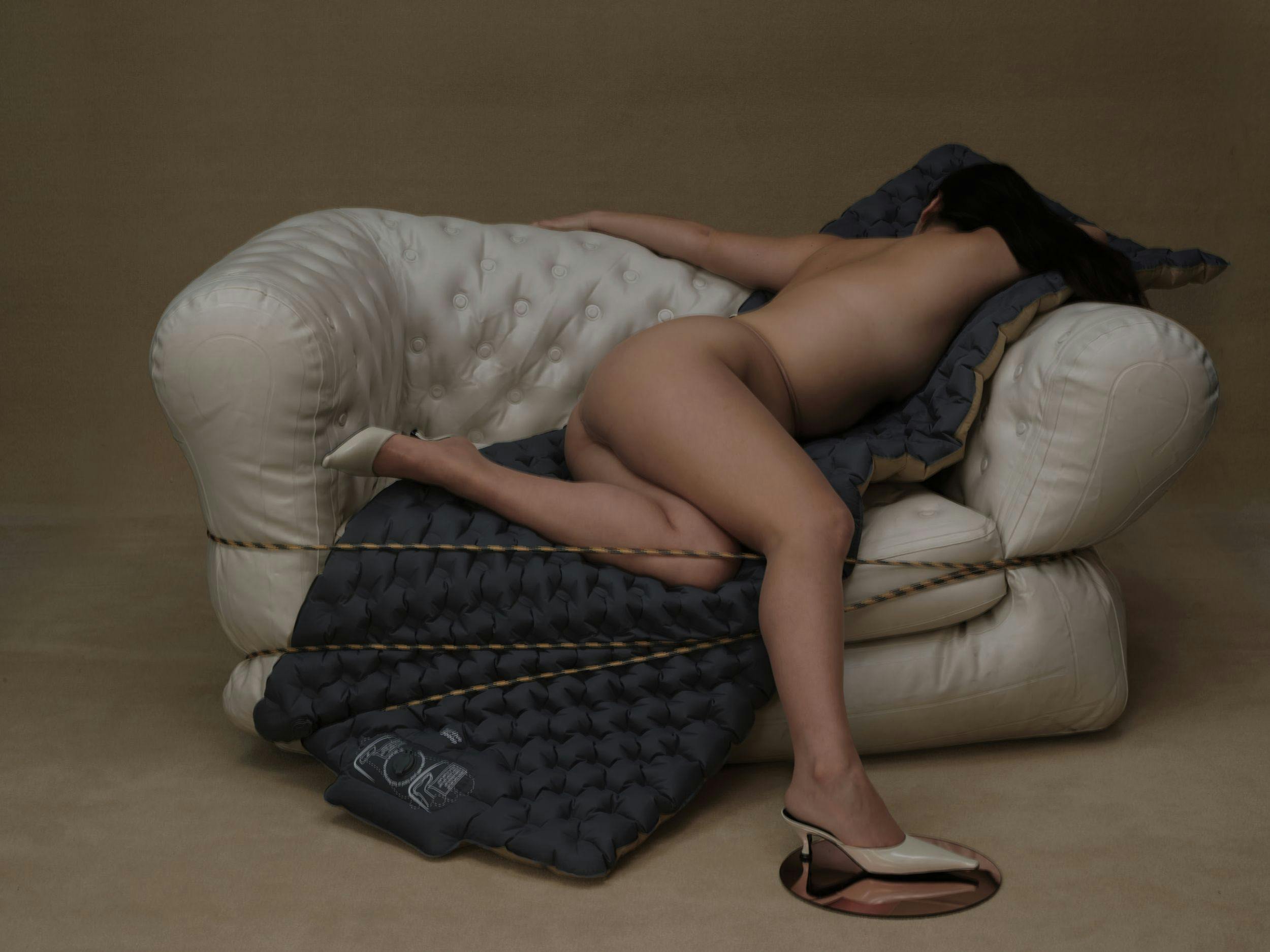
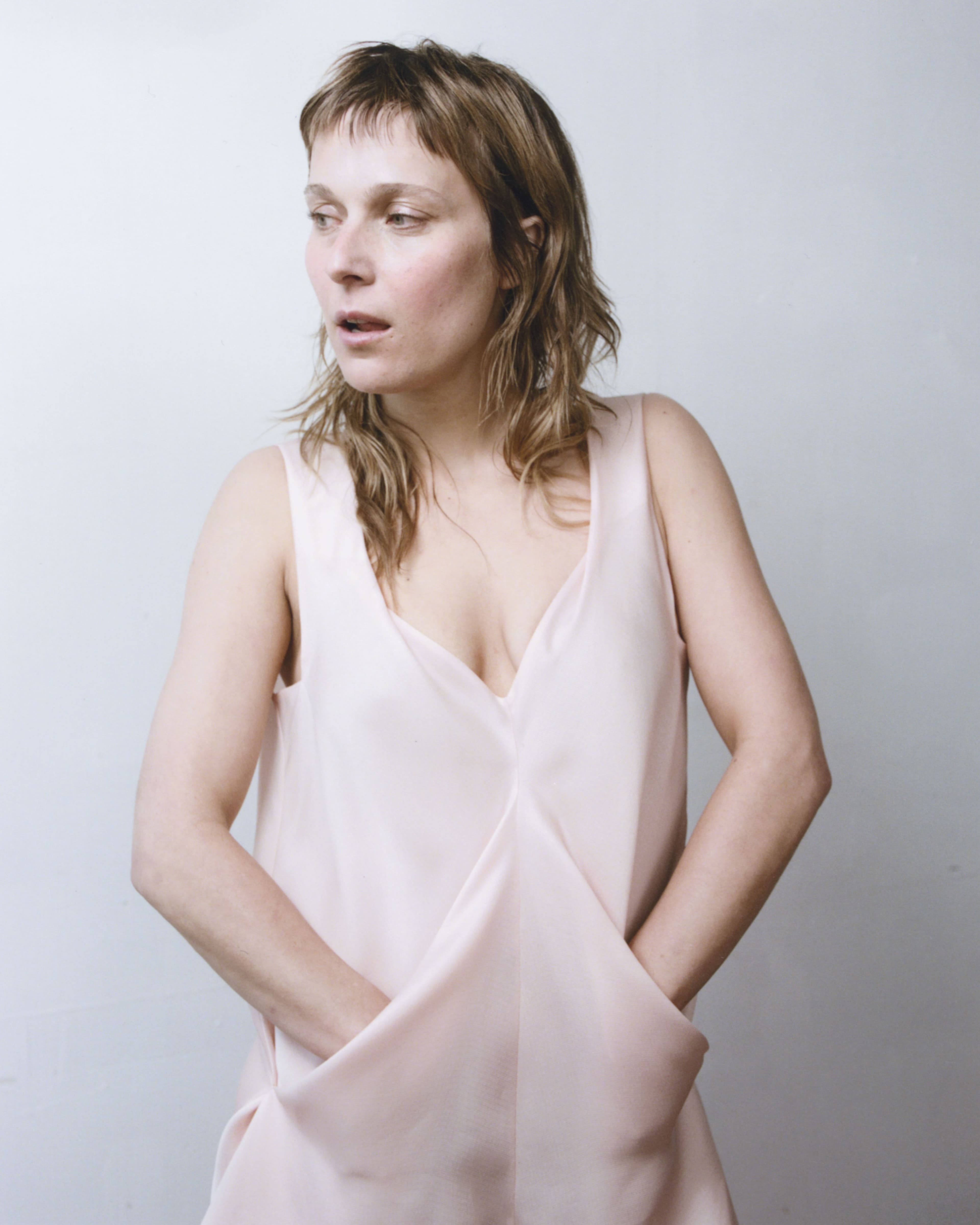
DRESS by Khaite
Lena Góra Is Building Her Own World
The writer, actor, and producer Lena Góra knew what she wanted from a very young age. “I kind of ran away from home into the Polish theater when I was fourteen,” says Góra, now thirty-six, describing a childhood largely unsupervised and full of graveyards, abandoned buildings, and make believe. “My parents were artists, and they’re amazing, but they were not the most capable parents. I started with theater because there was this artistic bohemian energy in my house,” she continues. “It’s really funny that I wanted order and I found it on stage in the theater. I just wanted a normal life. Every time I think about leaving for London so young, I think, How is that really possible that I did that?“
Twenty years on, Góra is speaking from the home she bought in Warsaw with her Chinese Crested dog nestled just out of view. She has a blunt pixie cut and is sitting on her worn leather couch with exposed brick walls in the background. She is taking a day off from filming the second season of HBO’s spy thriller Eastern Gate, one of the many back-to-back projects the artist has been working on since her Wim Wenders-produced feature film, Roving Woman, debuted to critical acclaim at the Tribeca Film Festival in 2022. You can see Góra’s flat in the recently released picture Erupcja, by her friend and director Peter Ohs, in which she and Charli xcx star as two women lost and tumbling towards one another with an explosive energy that seems to sweep the entire world up with them. Ohs, Góra, Charli, actor Will Madden, and playwright Jeremy O. Harris wrote the film together in Poland, gathering in Góra’s home each night after filming to write their characters’ dialogue over wine and food. It’s a slice-of-life, observant look into the ways in which relationships shift the way we relate to ourselves, imbued with a naturalism and quiet, idiosyncratic realism that characterizes Góra’s own writing and acting. It’s Charli’s first starring role, filmed right in the middle of Brat Summer; it’s also a role that cements Góra as a writer and actor to watch.
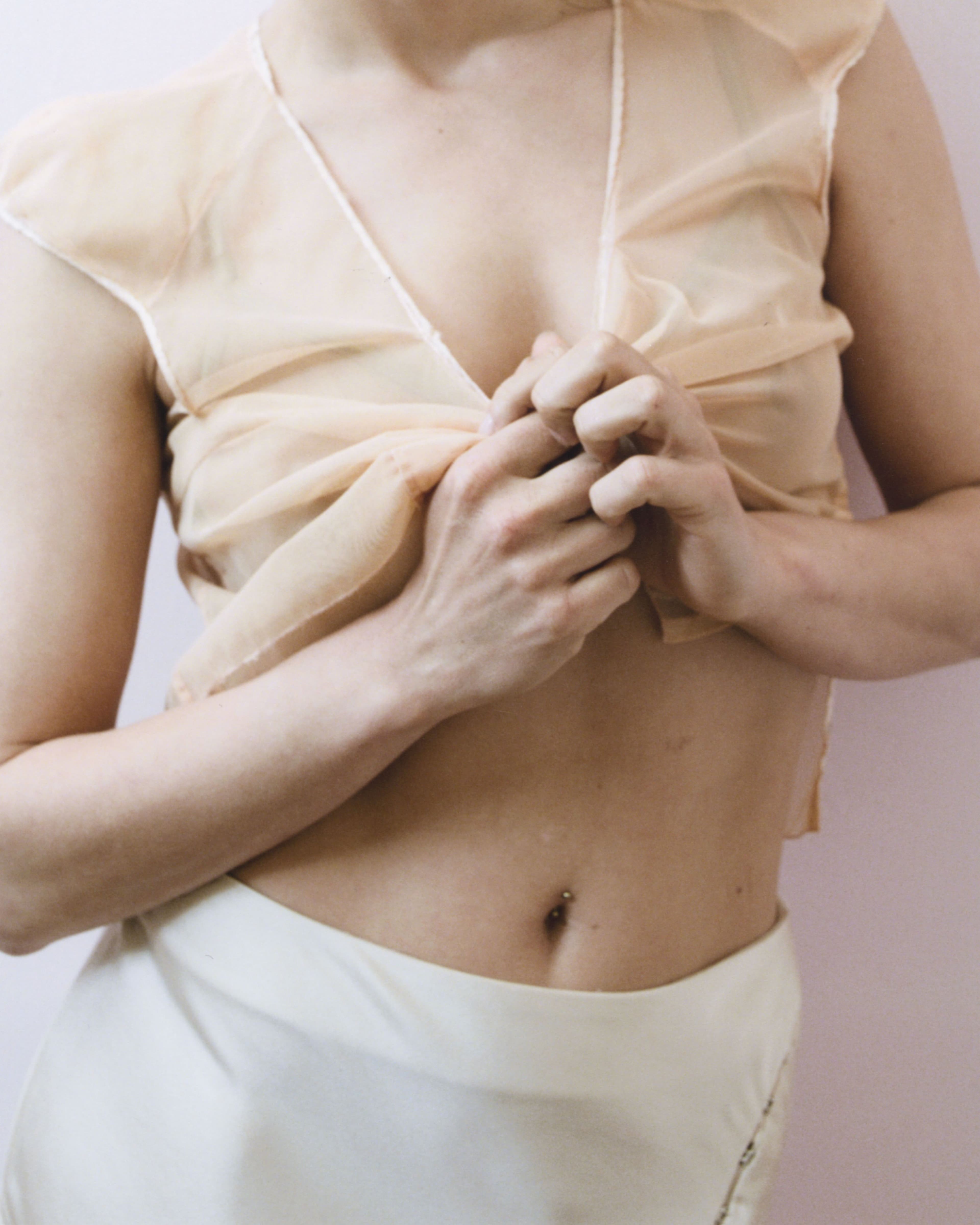
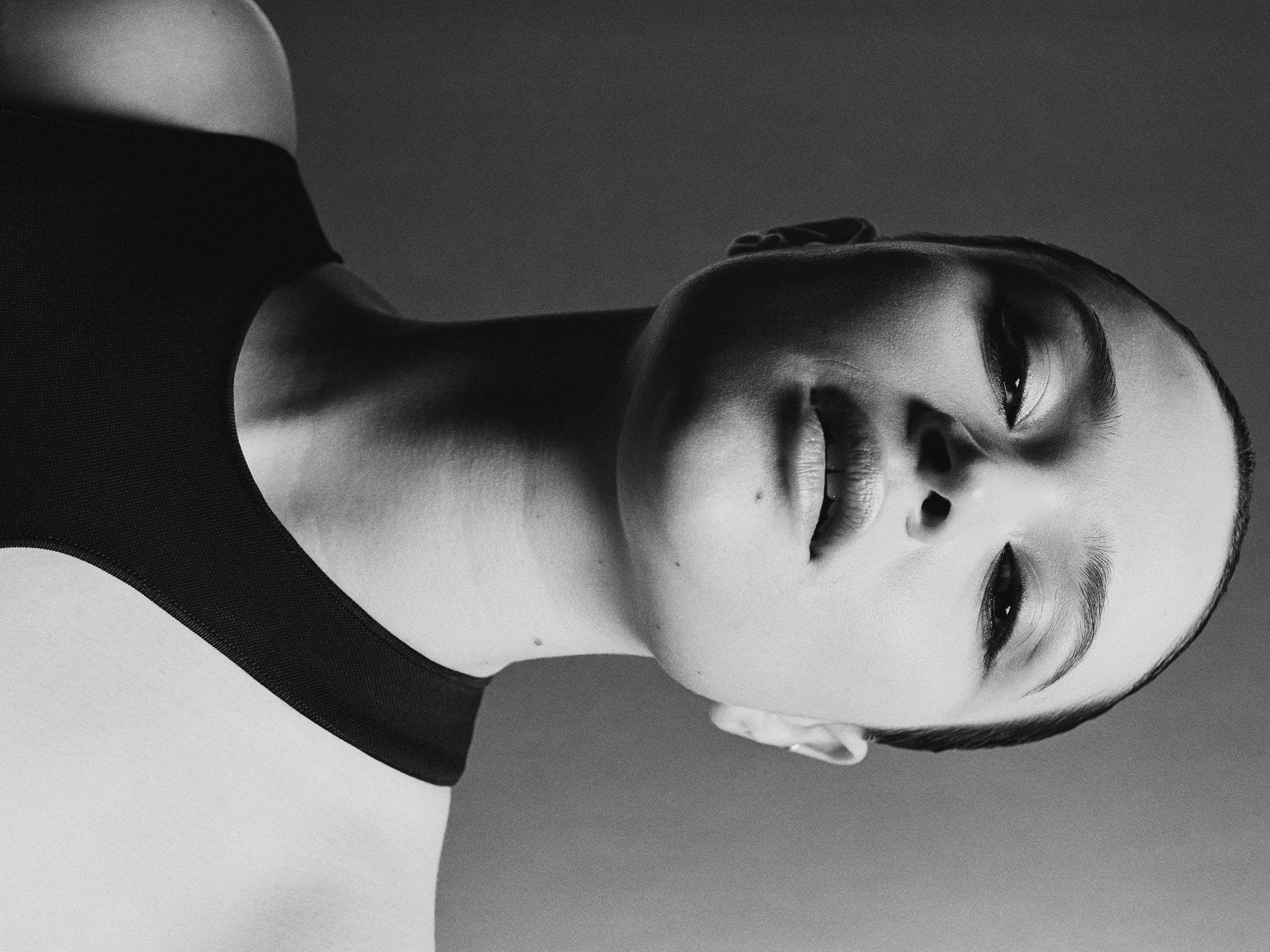
Vintage TOP. Vintage SKIRT by Jonathan Simkhai.
Góra took an avant-garde path to building a stable creative life. When she arrived in the British capital in 2006, she settled into East London, finding her way to Shoreditch spots like Boombox, later Ponystep, where Gareth Pugh, Rick Owens, and the greater fashion scene of the early aughts experimented and built chosen family. “I met the gays right away and they were much older than me,” reflects Góra. “We would take the Eurostar to Paris with an IKEA bag full of shitty clothes because I couldn’t afford anything and they would mix my crap with Rick Owens. They took me to his show and I was like, What the fuck is my life now?“
Góra auditioned and got into acting school, not realizing that she technically could not attend without a high school diploma. “I did give them a sworn translation of my first year high school diploma in Polish to English, and they took me, man,” laughs Góra. “This is just to say, go fucking for it. Rules are there, but they’re just sort of there. London opened up my mind so hard.”
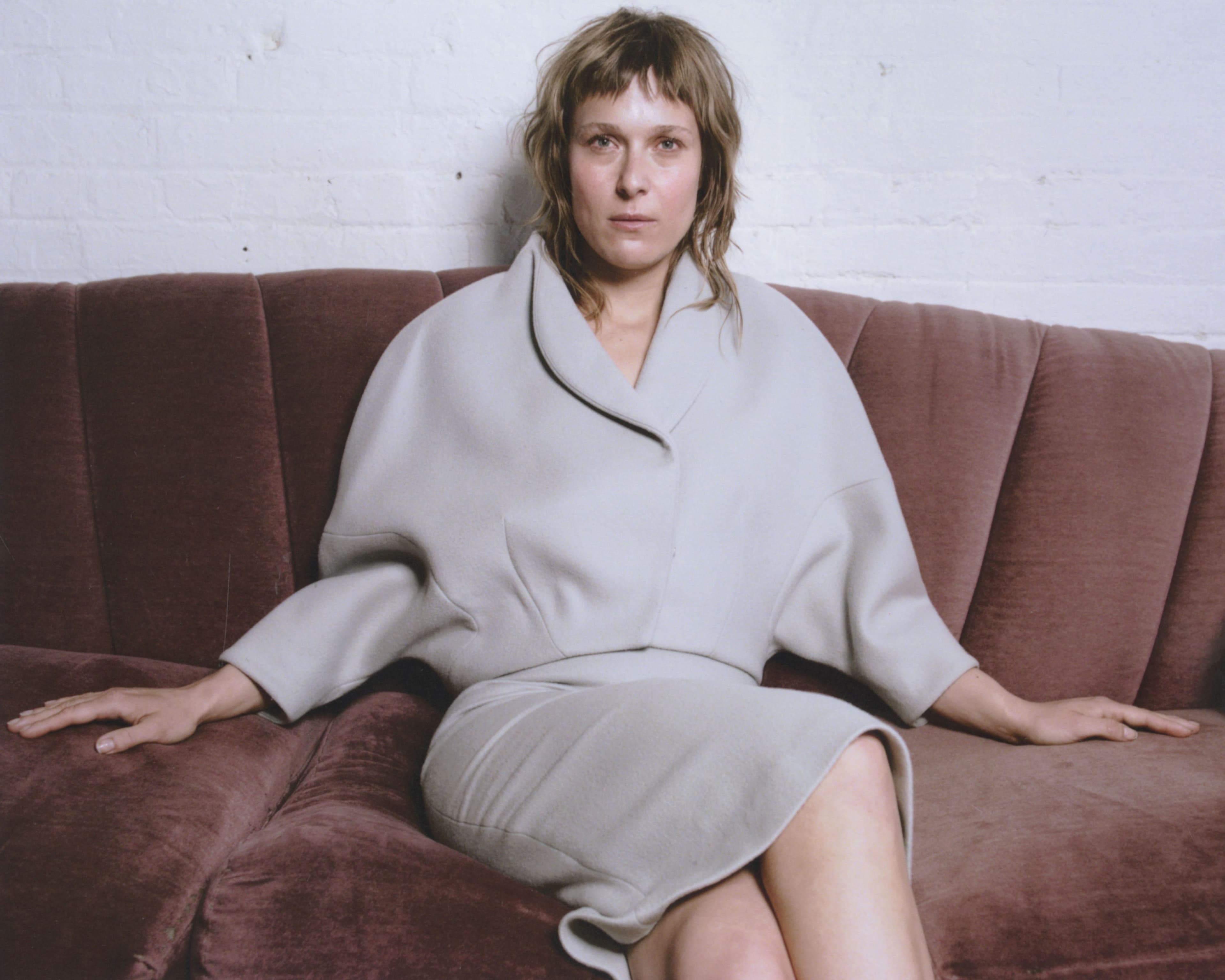
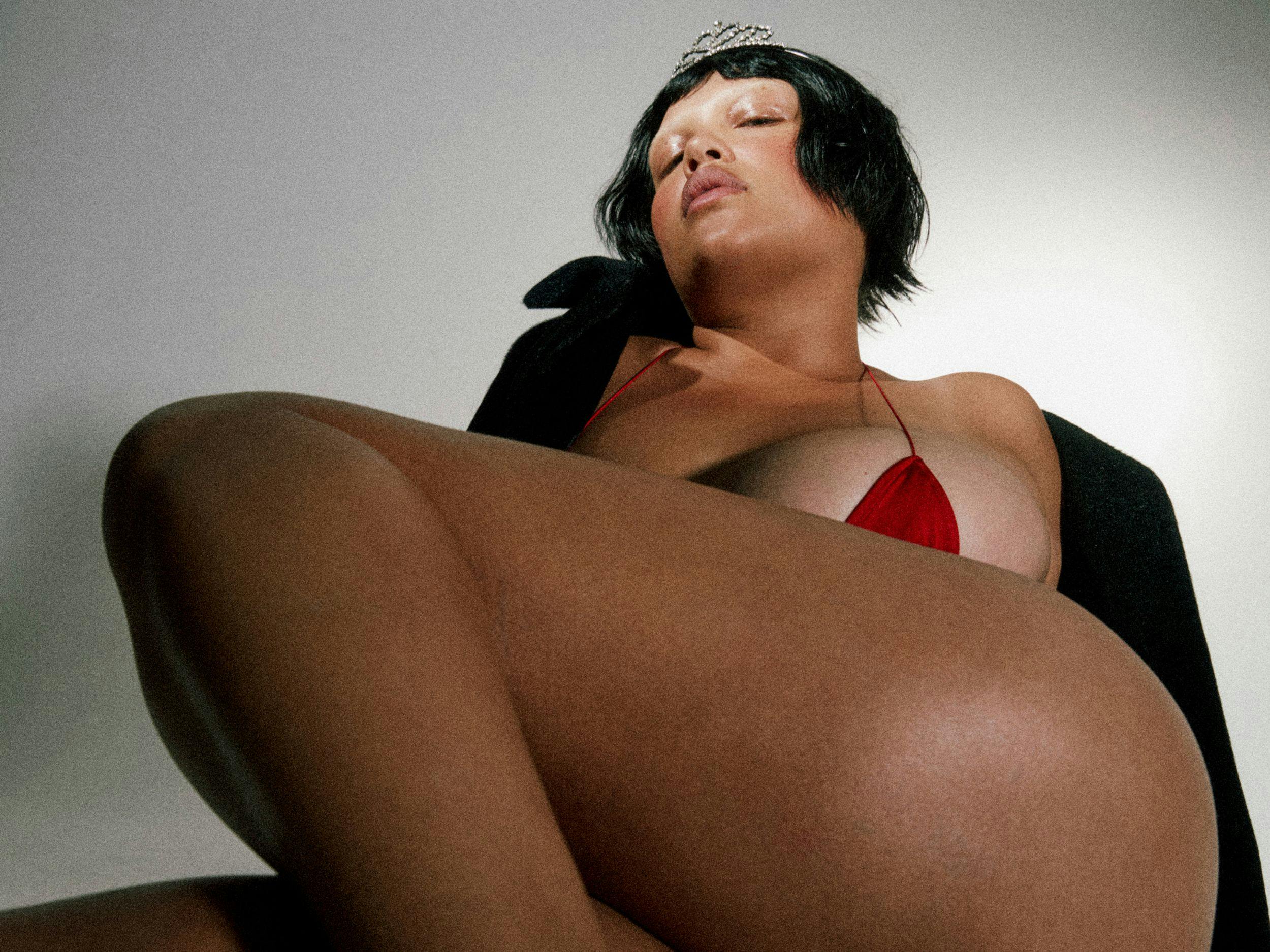
All CLOTHING by Mugler
Theater, fashion, and the queer family and sense of safety they provided formed the basis of an artistic life that was at its core centered in reading and writing. Above all, Góra worked towards the cocoon of stability she missed growing up. “I was thinking about it recently, that I really love that you would do a play and go really intensely into a character, into a world, and then at the end of it, a curtain falls that puts a boundary between that crazy magical world of make believe, of play, and then it’s over,” she says. “Then we bow, people clap, you put your new clothes on, and have a tea, and you don’t have to now continue with it. It just felt contained within the myth of the stage. I just continued looking for that.”
At nineteen, Gora and her friend Gösta Andreas Lönn Grill—now her creative partner—moved to New York. She enrolled in an acting program, began performing in small Off Broadway productions, and got into the downtown nightlife world, fueling it all with modeling gigs that paid just enough to get by. She threw parties at the dive Home Sweet Home with the model Cole Mohr; her then-boyfriend modeled for Ryan McGinley. Eventually, Gora ended up in Los Angeles. “I didn’t do the normal way of going to audition because I was craving good text,” explains Góra. “So when I moved to LA, I was like, Whoa, it’s really weird, this world if you want to be an actor.”
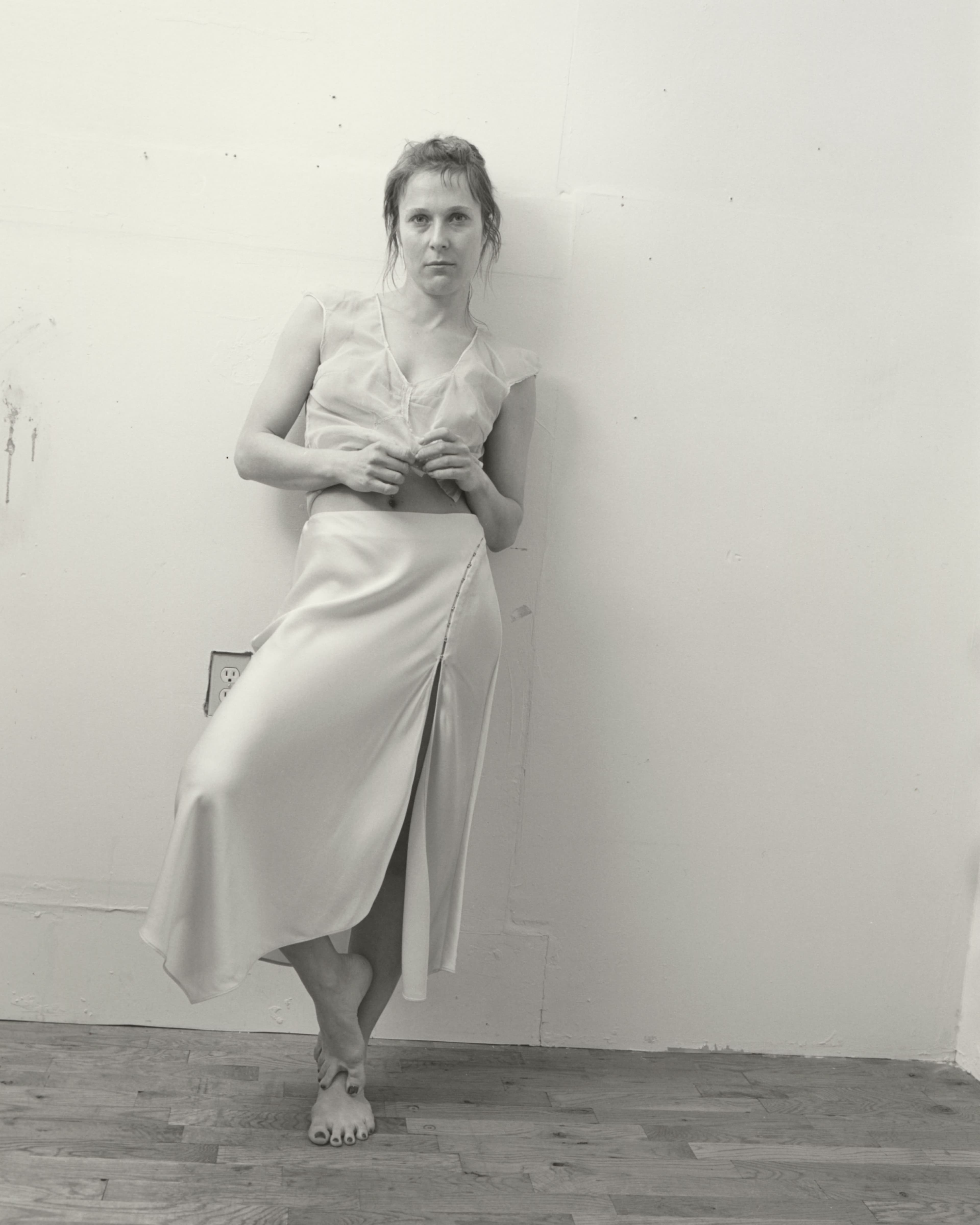
Vintage TOP. Vintage SKIRT by Jonathan Simkhai.
She did a couple auditions then took an extended hiatus to pursue an alternative adventure. “I fell in love,” she says of her boyfriend at the time. “We met on a shoot, and we were never really happy modeling. So we moved to LA, and I realized there is no theater and it’s crazy, shitty scripts. We don’t even attempt it. Instead, we got a muscle car—eventually we had five—and we went on a five-year road trip around America.”
When they broke up, and after her next relationship ended with her being left, Góra wrote Roving Woman, about a woman who gets broken up with, then steals a car and drives it through the California desert on a nomadic journey of introspection. Wenders came on to produce; John Hawkes starred opposite Góra. That film changed everything, bringing strong scripts to Góra’s door and opportunities worth diving into.
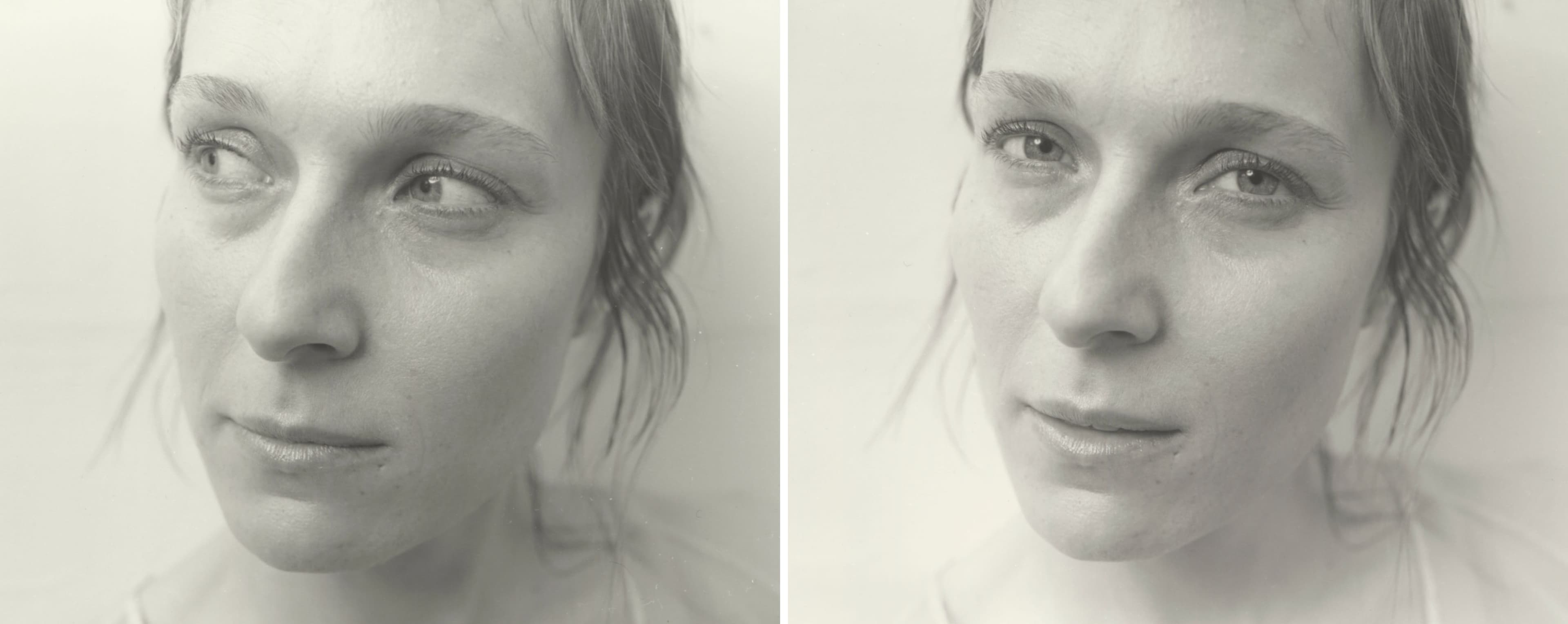
Vintage TOP
Fast forward to today, and Góra describes Erupcja as a sister project to Roving Woman. Like her earlier film, Erupcja was made on a shoestring budget with an open-ended collaborative process. The director and actors would meet each night and decide where their characters would go the next day, writing the script as filming progressed. “All of the films and series since Roving Woman are very rehearsed studio projects,” Góra shares. “As an actor, you’re just a piece on their chessboard, and it’s amazing. But I was really missing that team spirit of independent art making without any boss, without anything we have to do, without any political agenda or any financial agenda. We dictate what the rules are really like in the universe. It’s like a fight against your own ego, an anti-ego experience for filmmakers.”
The film follows Bethany (Charli) as she arrives in Warsaw on holiday with her partner Rob (Madden), who is planning to propose. Nel (Góra) plays the Polish friend Bethany met as a teenager, the one with whom Beth shares an explosive, magical chemistry that feels so big commitments slide and the world erupts alongside them. “Pete invited his gang, which is Charli, Jeremy, with all the Americans, and I invited all the Polish crew and Polish people in the movie, and we just met in Warsaw,” reflects Góra. “Charli came in the middle of Brat Summer—because this felt fucking right.”
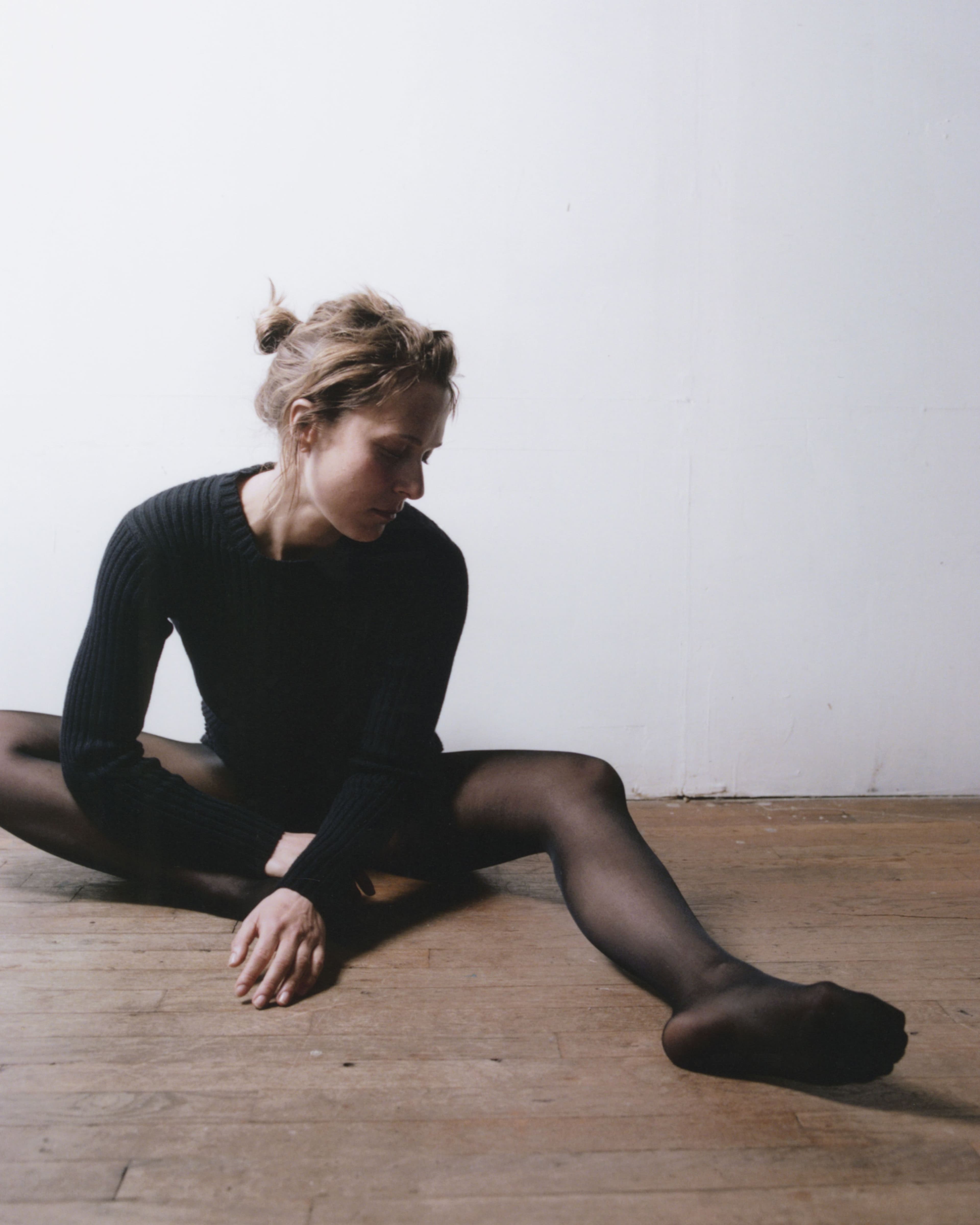
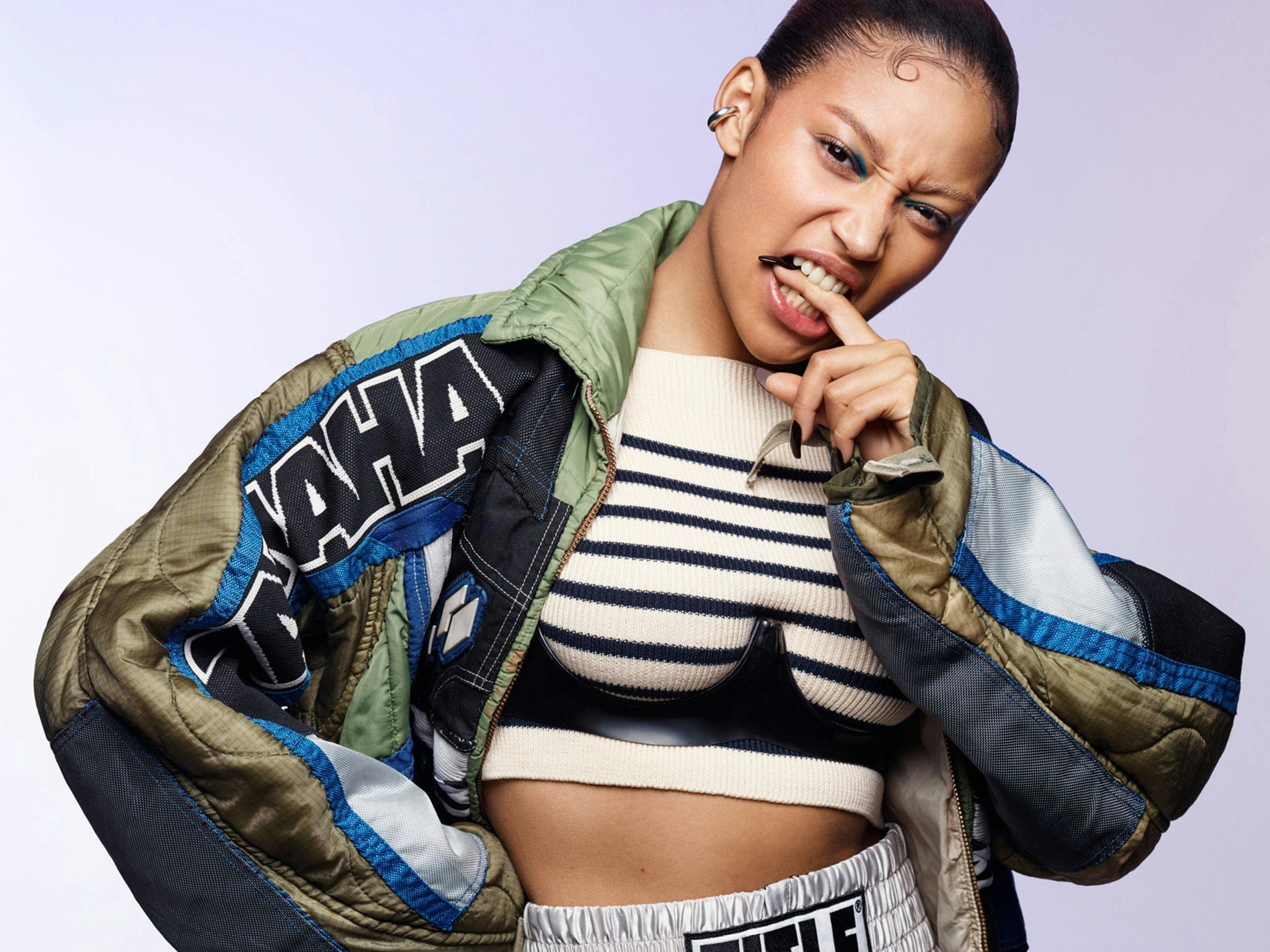
Vintage SWEATER by Comme des Garçons
These days, Góra is back in Poland, taking on the role of assassin as she films Eastern Gate’s second season and spends her time off at home with her dog. She spent the past five months filming an untitled upcoming HBO series, in which she’ll play a CIA agent opposite Joel Kinnaman. She’s looking forward to taking a moment to herself in a few weeks, hiding away in Spain or Greece with a book, before jumping back into it all. “What a spiritual thing, this whole thing for me,” reflects Góra. “I love the poetry of it, which I find to be art that speaks to people most and in the softest way. It’s like the cathartic experience Greeks and Romans had when they went to the theater.“
She says she’s noticed a throughline in the projects she pursues: “Lately, we realized that I’ve been playing roles that would have always been written for men,” says Góra. “In Erupcja, it would have been a guy in some cute country that Bethany refers to as her ex-girlfriend. In Eastern Gate, I play a secret agent who’s figuring out what the fuck is going on in this side of the world. There are some incredible movies about phenomenal male secret agents, but usually the female ones are a little bit caricature and they’re Bond in a skirt. I keep trying to bring these qualities to build round, diverse characters. It’s that masculinity that I crave because it’s often just not included in painting of a woman. Women are masculine and feminine and crazy and funny and silly and have periods and lie and are wonderful and beautiful and soft. That’s the real feminism that I believe I want to be pushing, which is telling stories of real women and not a male projection of what a woman is.”
Erupjca is now playing in theaters.
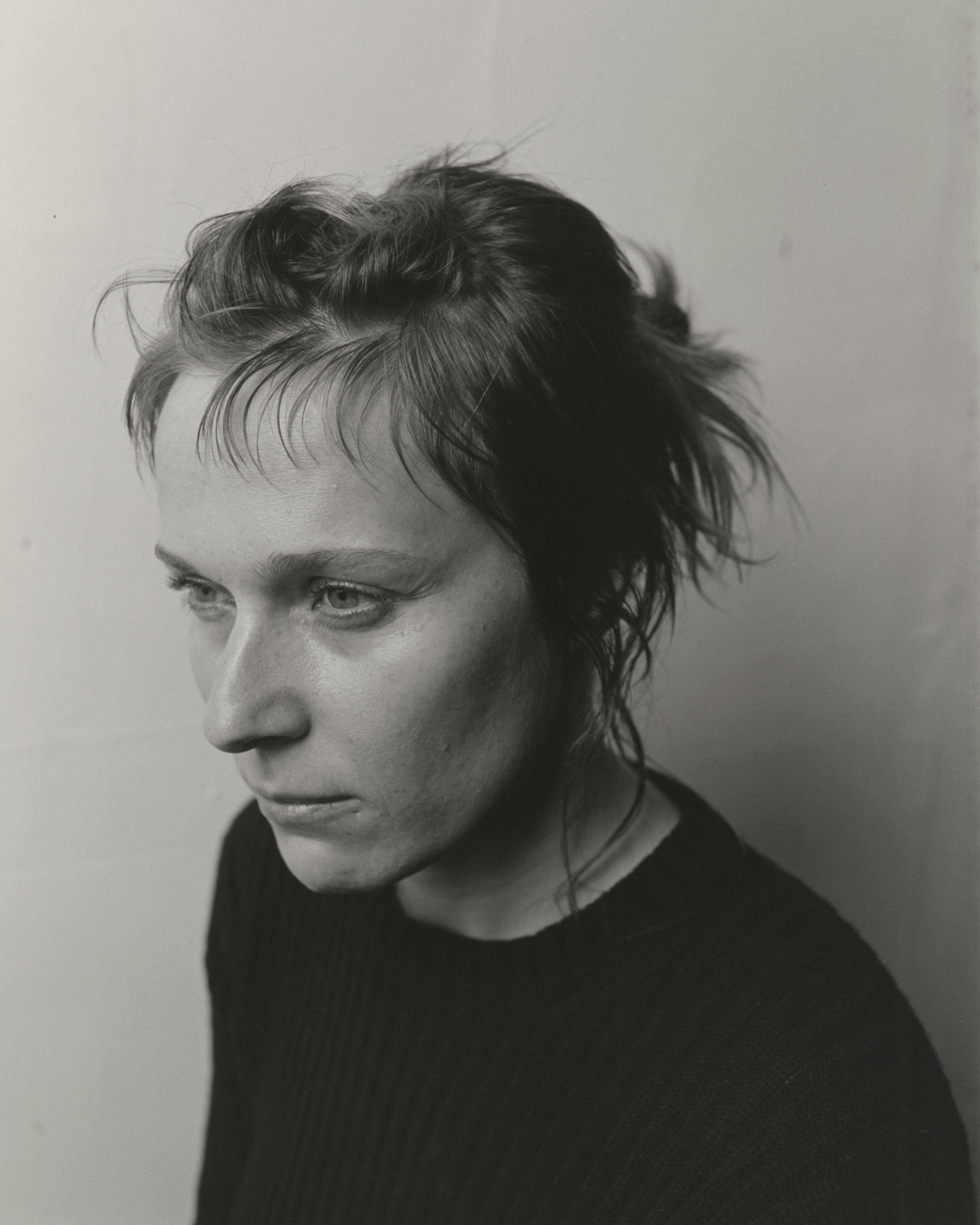
Vintage SWEATER by Comme des Garçons
As a nonprofit arts and culture publication dedicated to educating, inspiring, and uplifting creatives, Cero Magazine depends on your donations to create stories like these. Please support our work here.