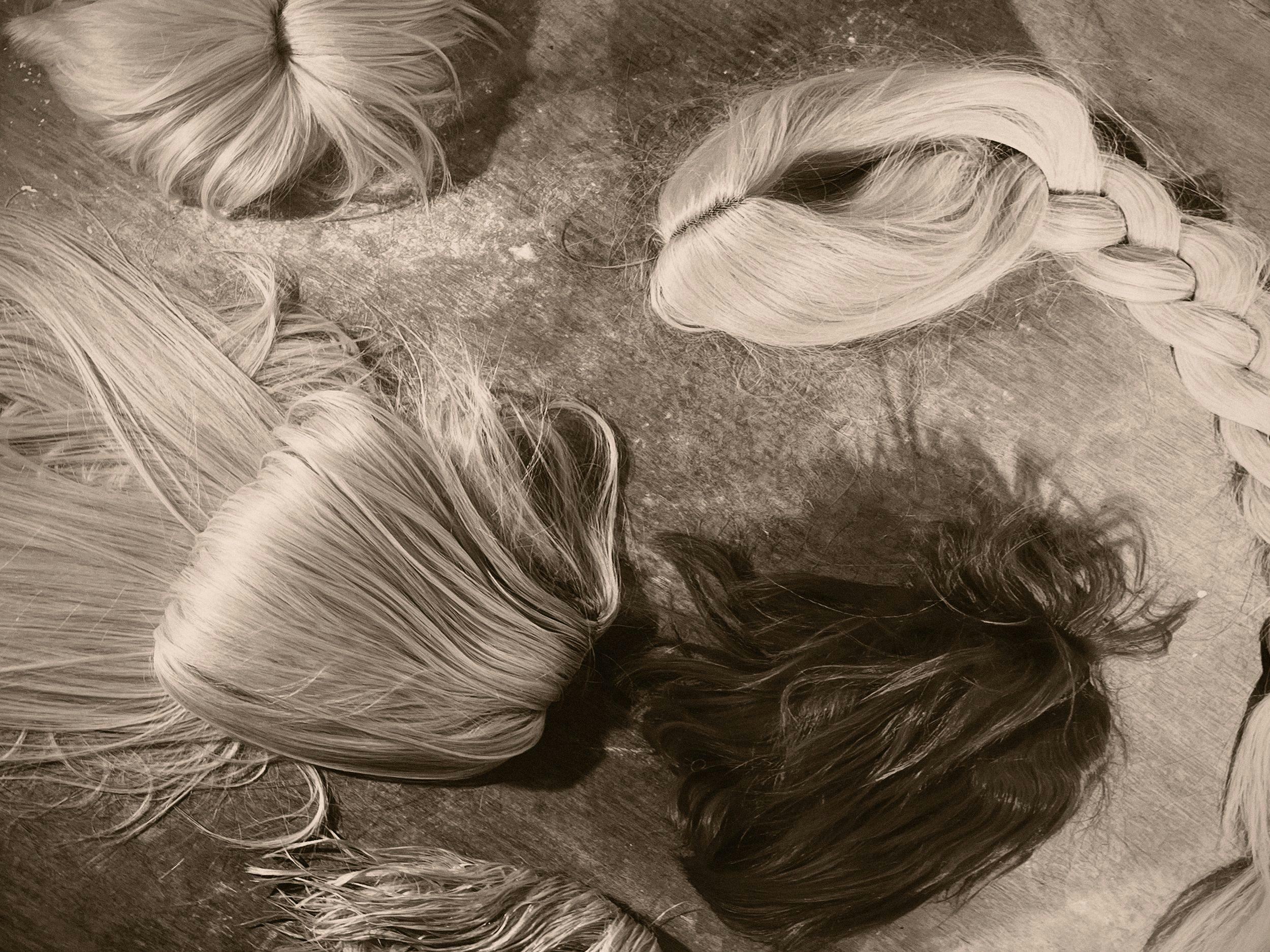


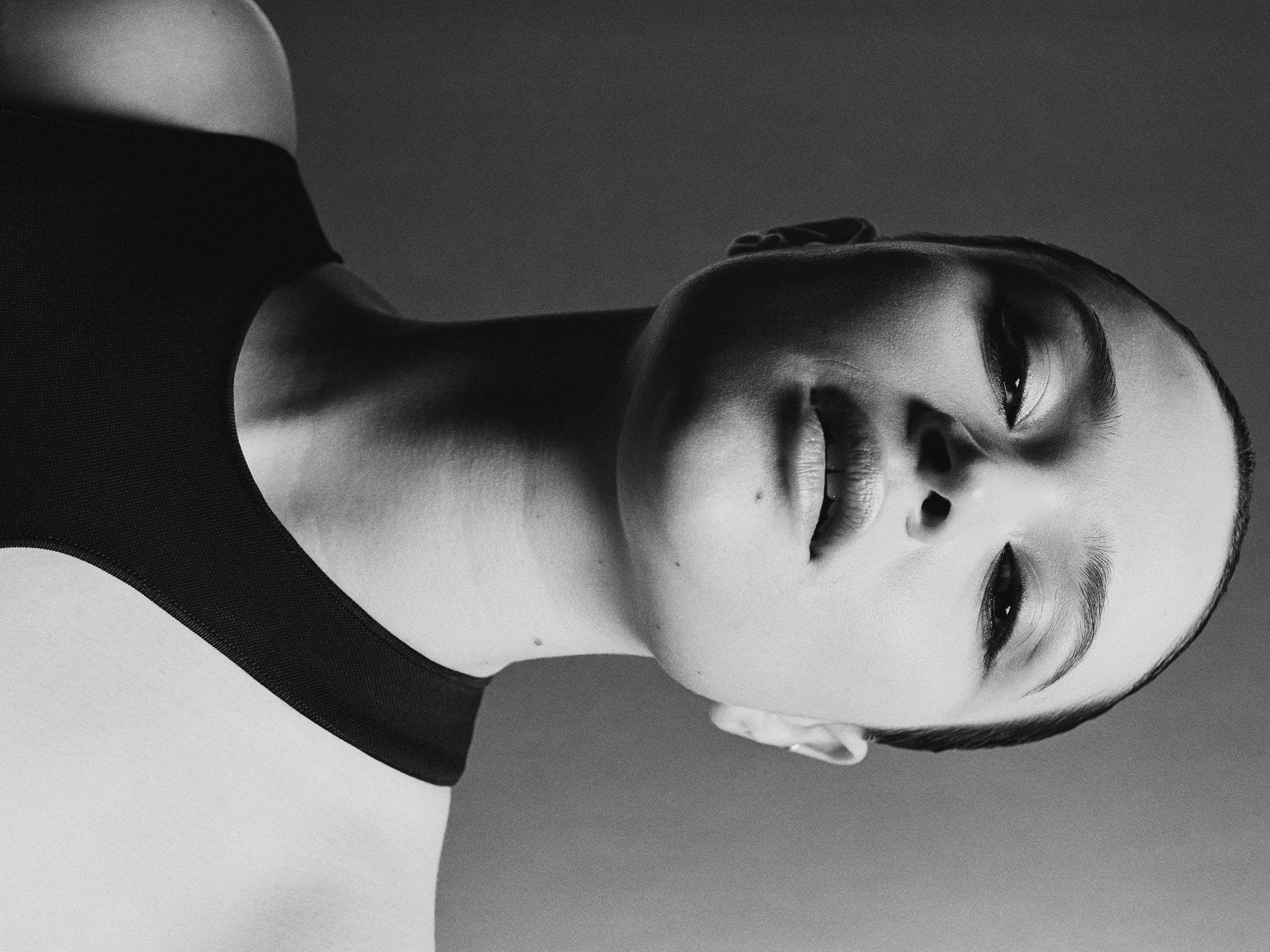
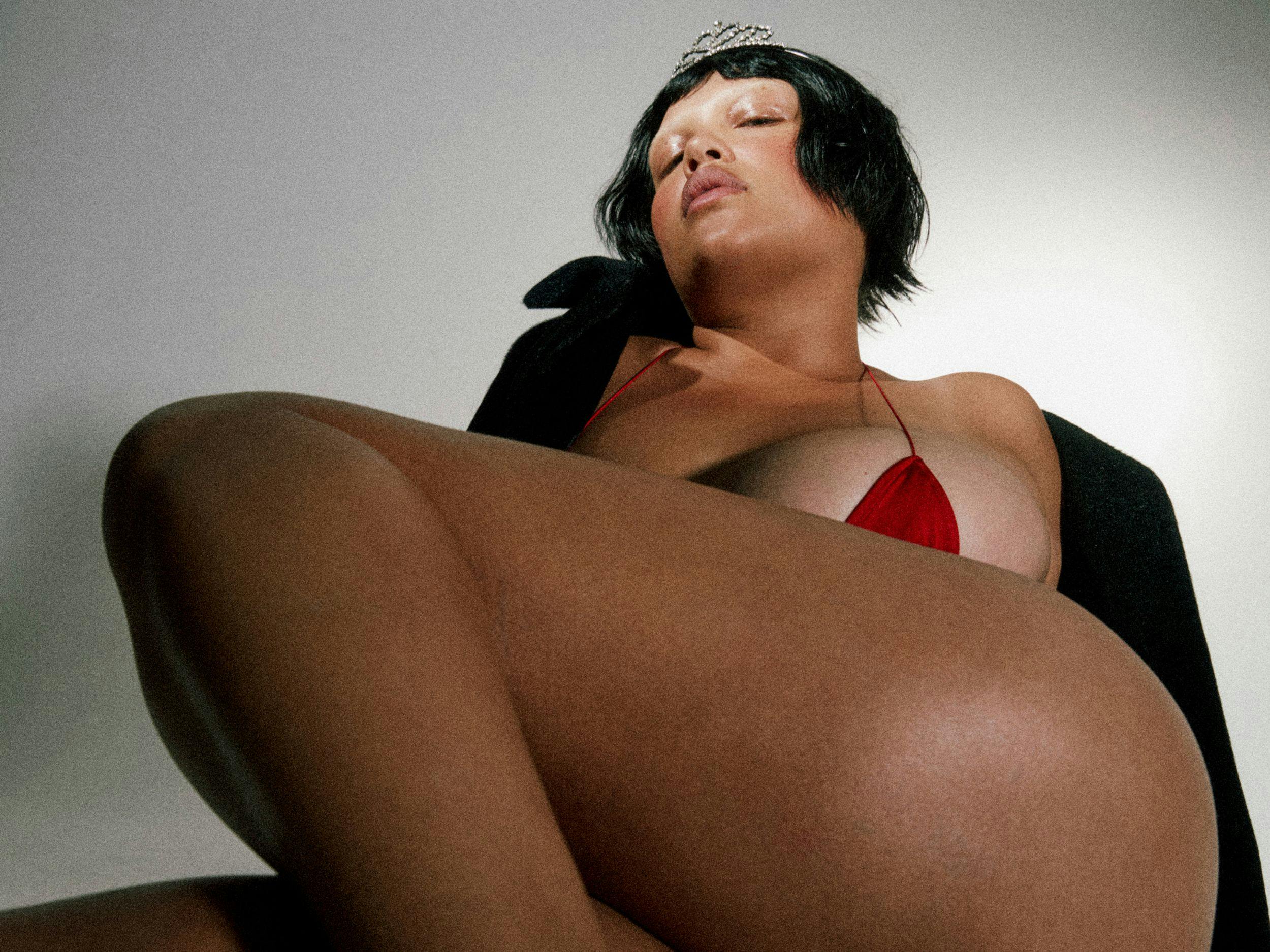

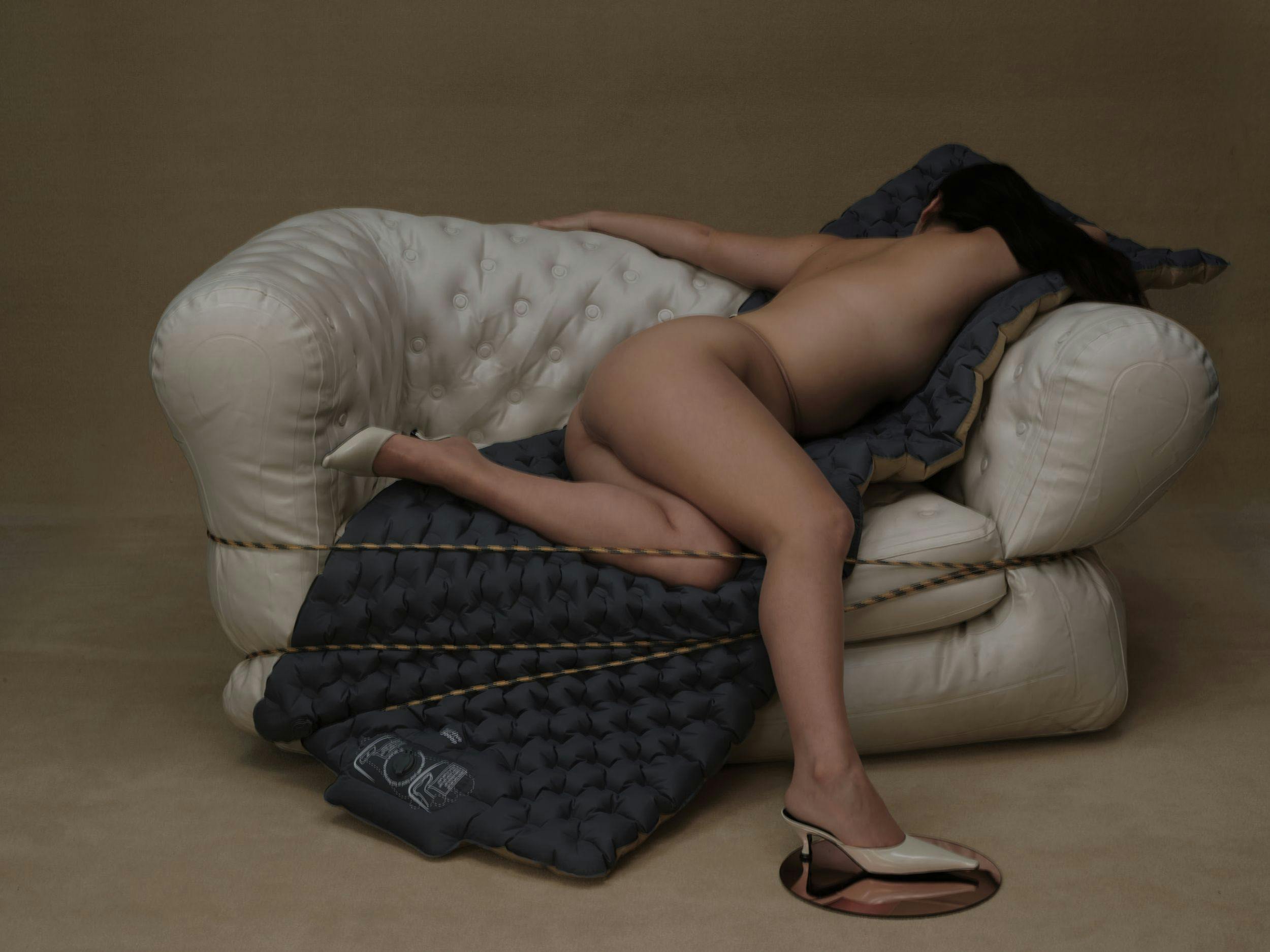
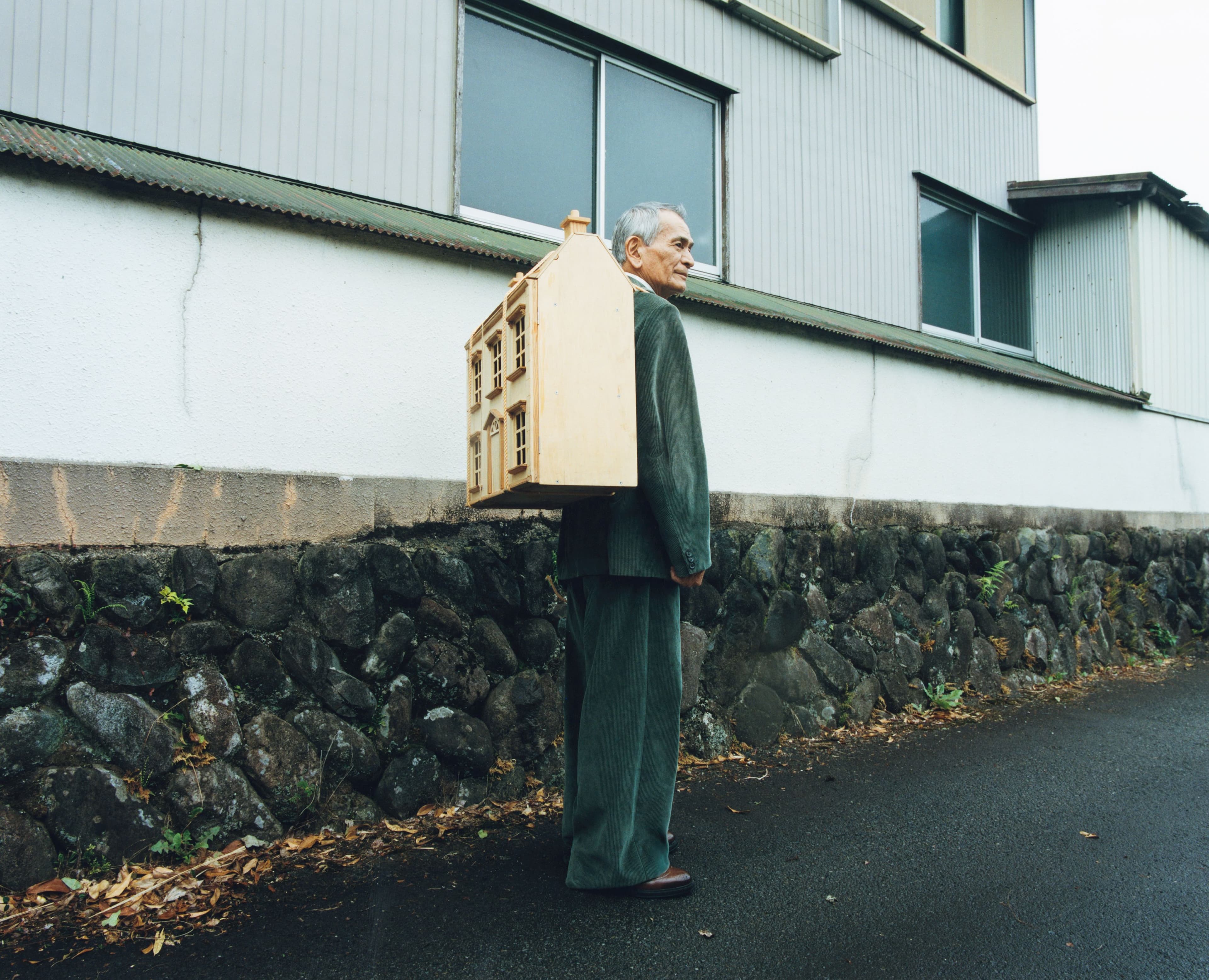
All CLOTHING by Soshiotsuki; All SHOES throughout, stylist’s own
The 2025 LVMH Prize: Soshiotsuki
Each year, thousands of emerging designers launch their work into the orbit of the LVMH Prize, hoping to be the one name left standing when the jury finally makes its decision. A global contingent of over twenty-three hundred applicants entered in 2025, narrowed first to a skilled cohort of twenty semi-finalists and then whittled down to a curated batch of eight finalists—all before a single designer held the LVMH Prize in hand. The scale of the competition, its reach and resources, make the prize as much an instrument of power as one of recognition. And this year, the fashion industry’s heavyweights turned toward Soshi Otsuki, founder of his eponymous label Soshiotsuki, to commend his language of control, proportion, and restraint.
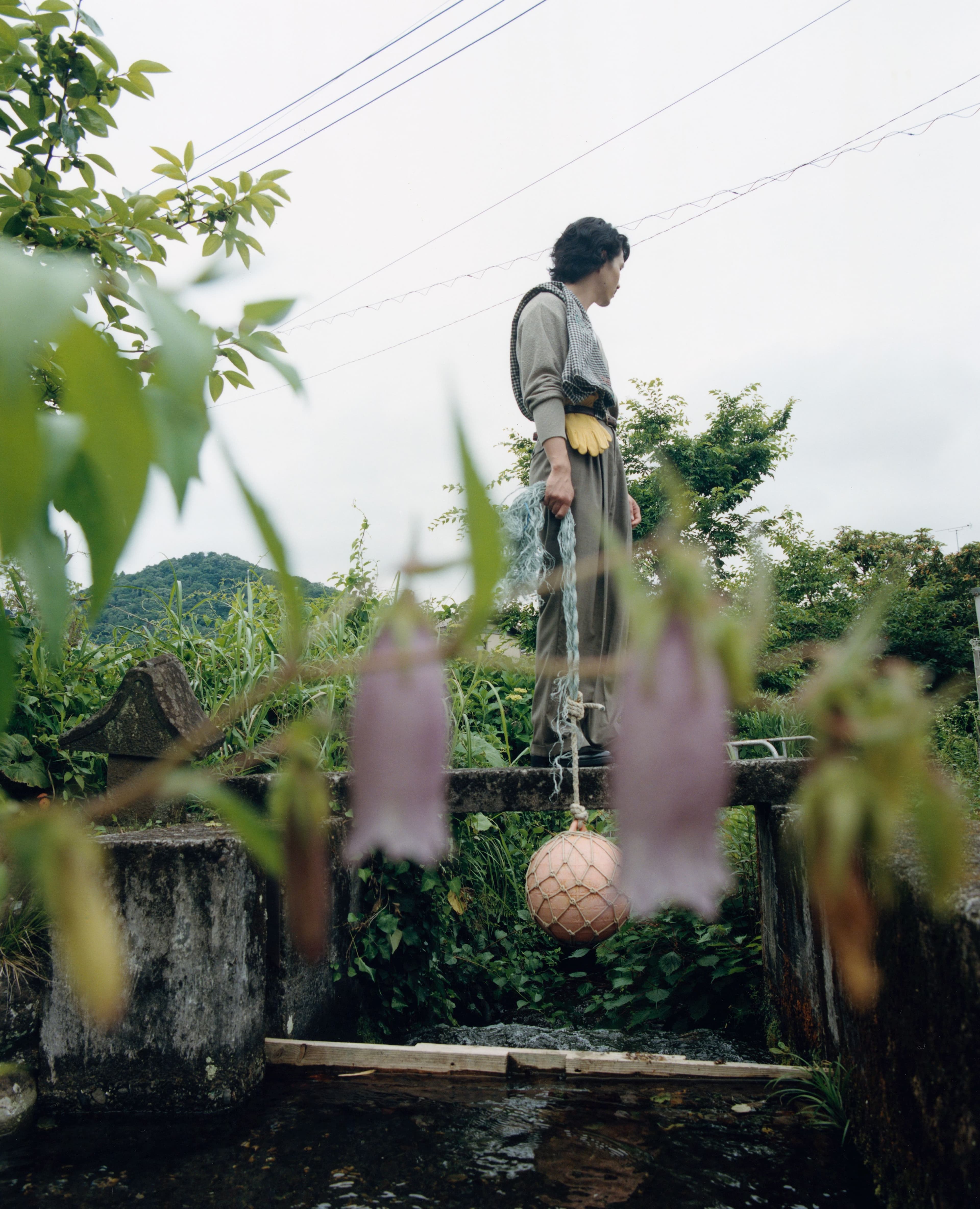
Otsuki’s work doesn’t shout. It moves within narrow boundaries—tailoring, drape, the soft inflections of structure—but every line carries intention. His collections propose a question that has quietly guided his career: what does Japanese clothing look like after the kimono? When he told the LVMH Prize jury that his brand’s mission is “to define a new Japanese clothing tradition to replace the kimono,” he meant it literally. “America has American Trad, the U.K. has British Trad,” he says. “Japan doesn’t.” The ambition isn’t to invent a costume but to articulate a grammar, a form of national dress that reflects the present rather than reenacts the past. “It’s not about a specific shape of clothing,” he adds. “I don’t think it’s possible for Soshiotsuki alone to create such a form—but I want to deliver the message that this is Japanese Trad.”
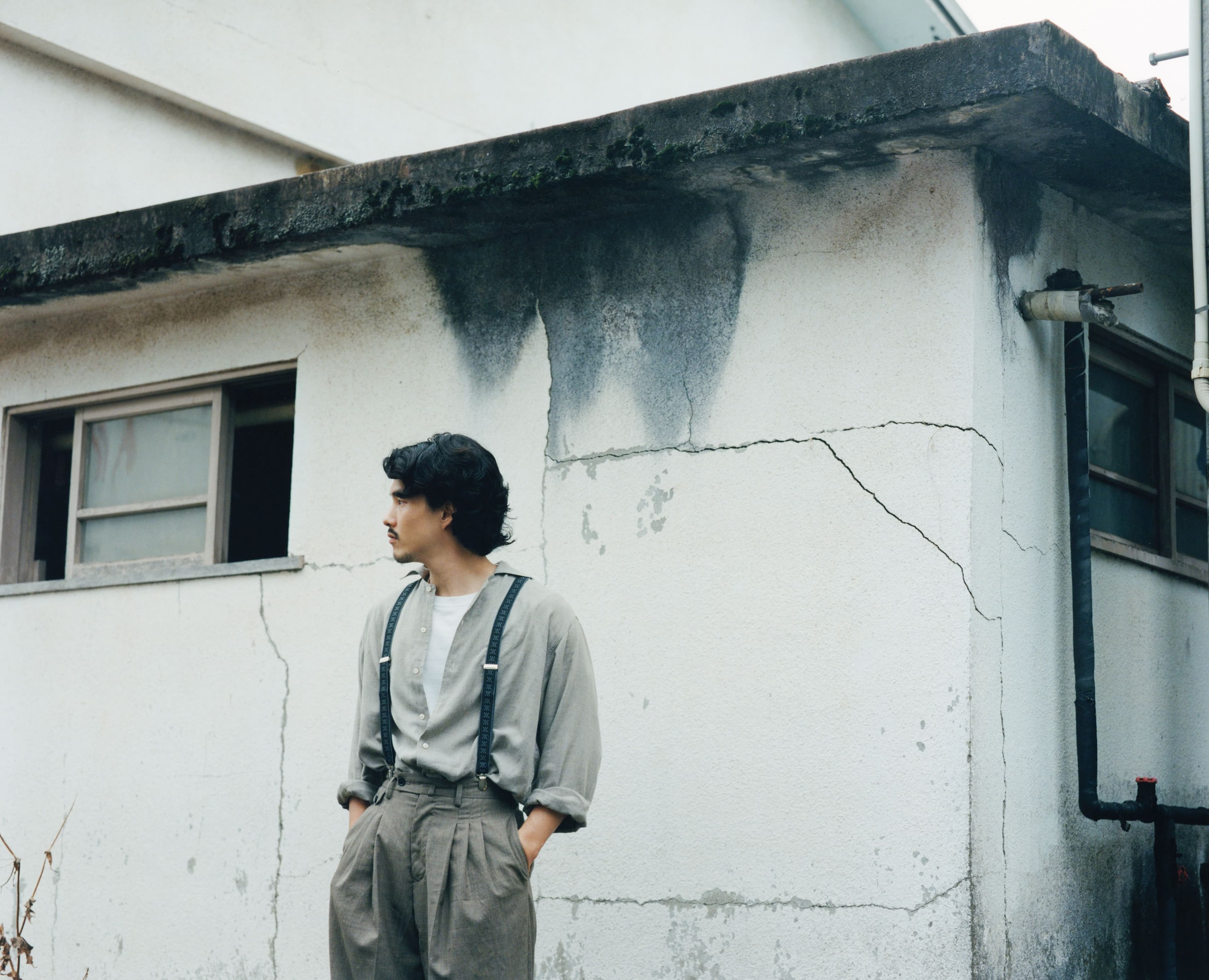
For Otsuki, structure is king. He describes his process as an adherence to “the codes of menswear,” each gesture justified by its own logic. “When using kimono fabric for a shirt,” he says, “I take advantage of its narrow width and treat the fabric’s selvedge as a design element for a tuxedo-style pleated shirt.” His distinct blend of orthodoxy and synthesis keeps the work grounded even when it veers toward distortion—double waistbands, shrunken vests, off-center ties. He builds deviation through reasoning, not as a conduit for rebellion.
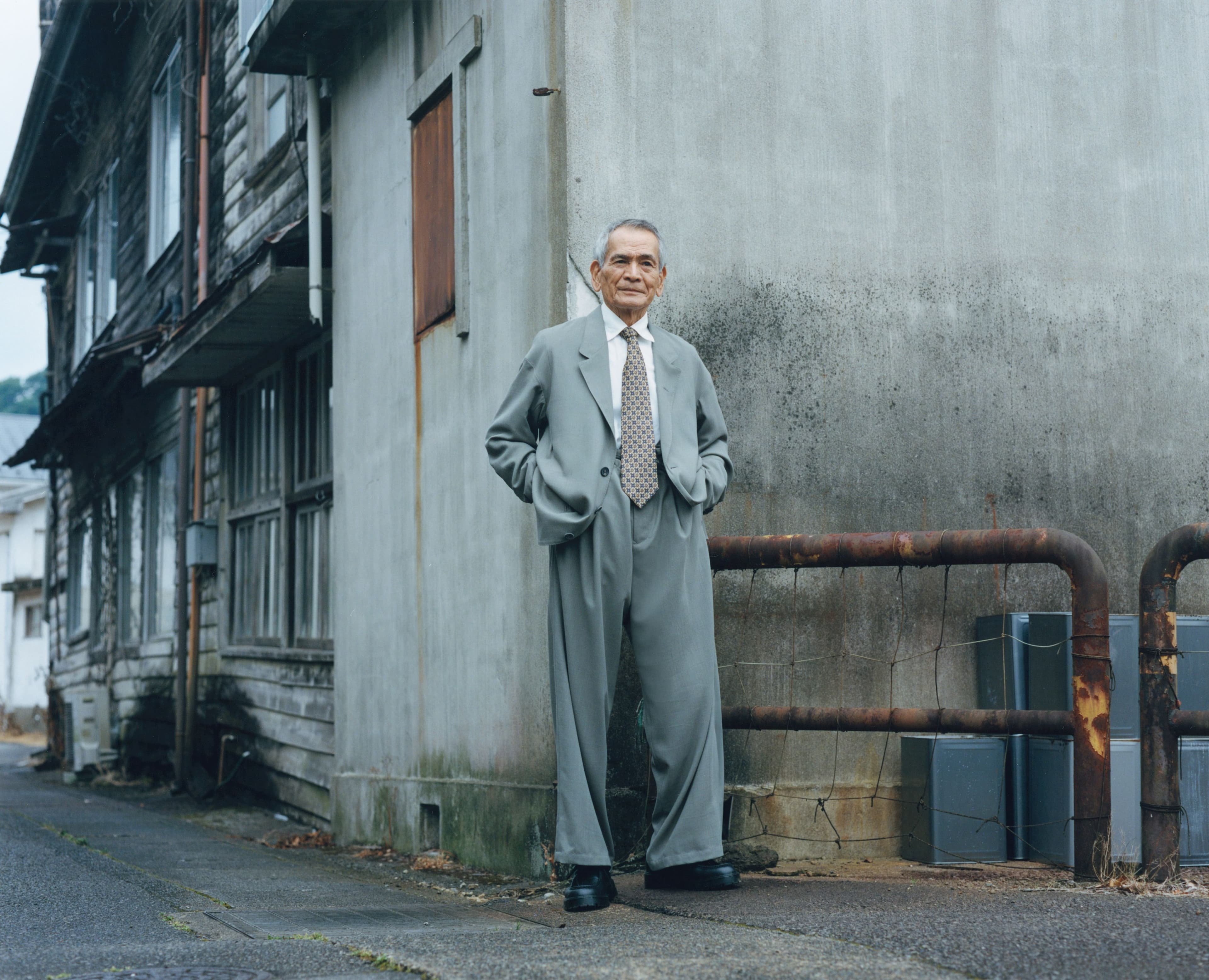
His navigation of traditional modes and modern sensibilities is, as one can imagine, rooted deeply in Japanese cultural heritage. Otsuki identifies a certain Japanese “inferiority complex” toward Western fashion, which perhaps paradoxically has only propagated as cultural hemispheres have continued to collide (and integrate) in the Information Age. “I feel that the sense of inferiority has actually intensified over time,” he admits. “But at the same time, so has the pride.” His clothes, artfully crafted in Tokyo, navigate that tension—Western frameworks rendered in Japanese fabrics, Japanese logic expressed through Western forms. The duality carries through his references. Last year’s Fall 2024 collection revisited the “bubble era” of eighties Japan, when imported luxury symbolized national prosperity, with a self-ascribed sense of “admiration and irony.”
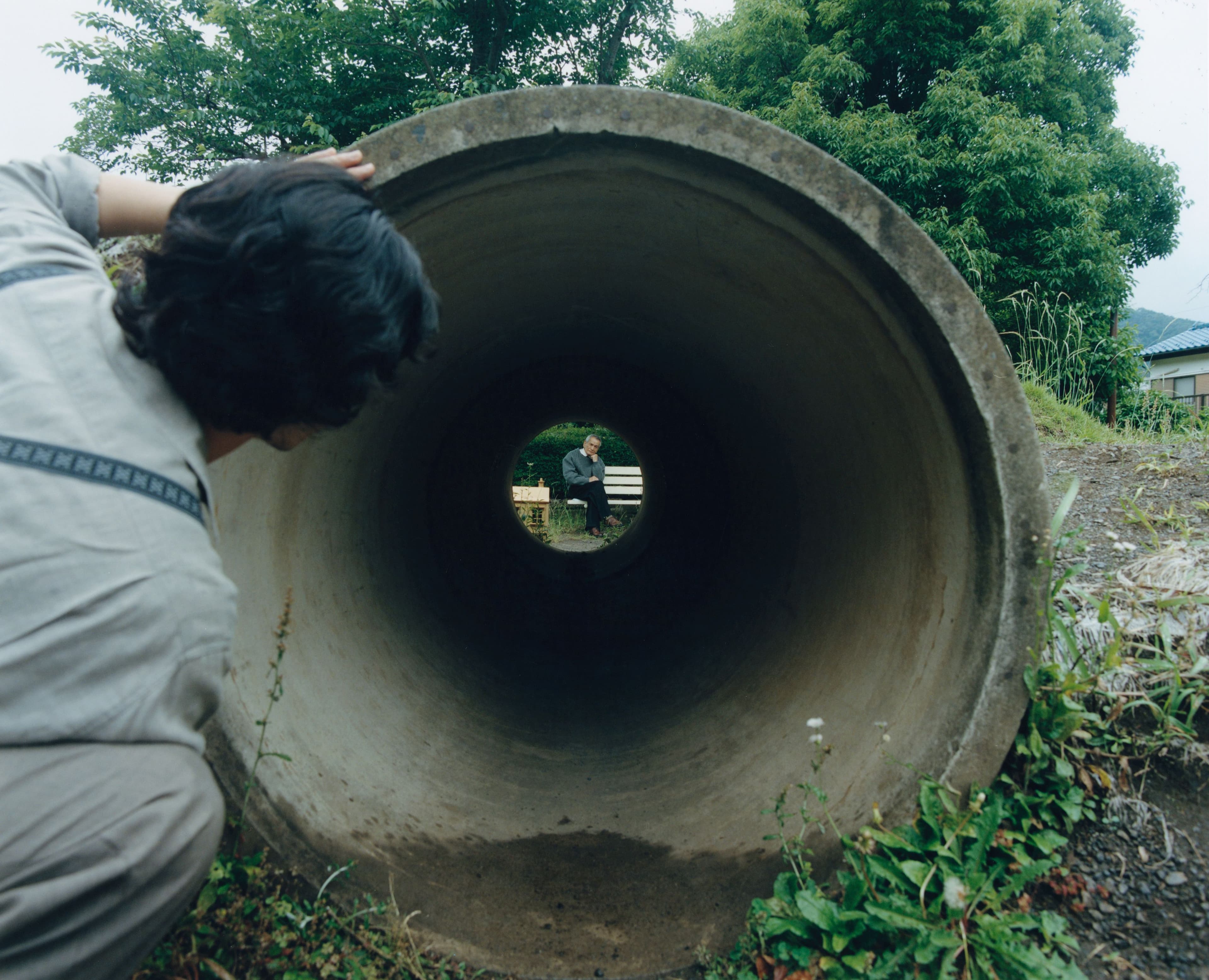
Practicality, in Otsuki’s view, doesn’t equate to mass-market accessibility—he’s unconcerned with reaching everyone. “It’s fine as long as [the clothes] resonate with the people they’re meant to,” he asserts, somewhat cryptically. It’s almost a laissez faire approach—letting the clothes find their own place—reflective of his preference to shy away from provocative designs in favor of nuanced tailoring that stands on its own.
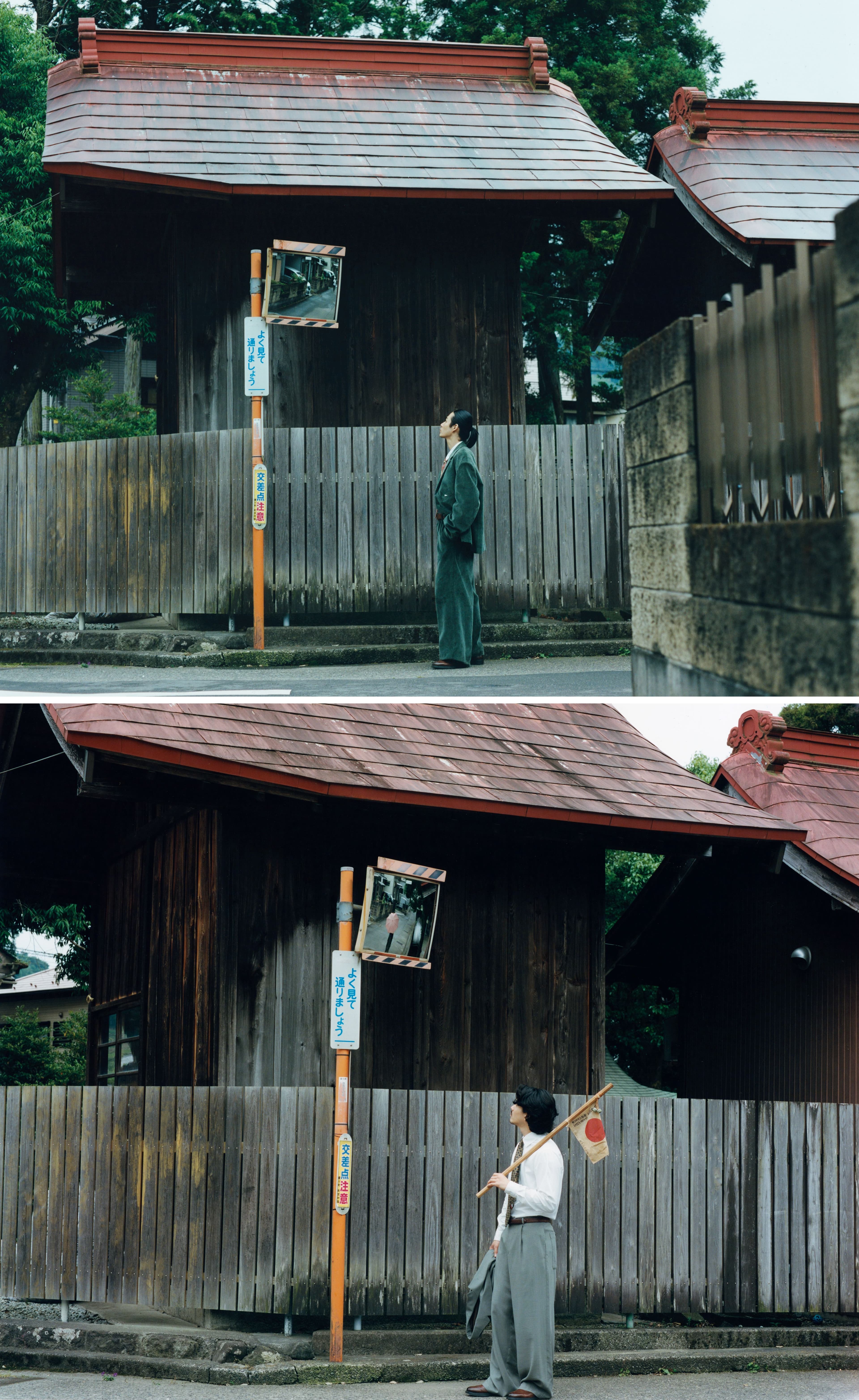
The LVMH Prize ushers in new means but no visible shift in attitude. “Right now it’s truly a small business,” he admits. “The first goal is to reach a level where we can stage runway shows twice a year.” Until now, Otsuki has worked from home, without interns or a formal studio. Asked which facet of his business he is gearing up to expand first, he answers directly: “The atelier.” In lieu of scoping out a rapid expansion through mass-market branding or seeking high-volume distribution, he is opting to solidify his foundation through steadfast, laser-focused commitment to the construction of the garments themselves.
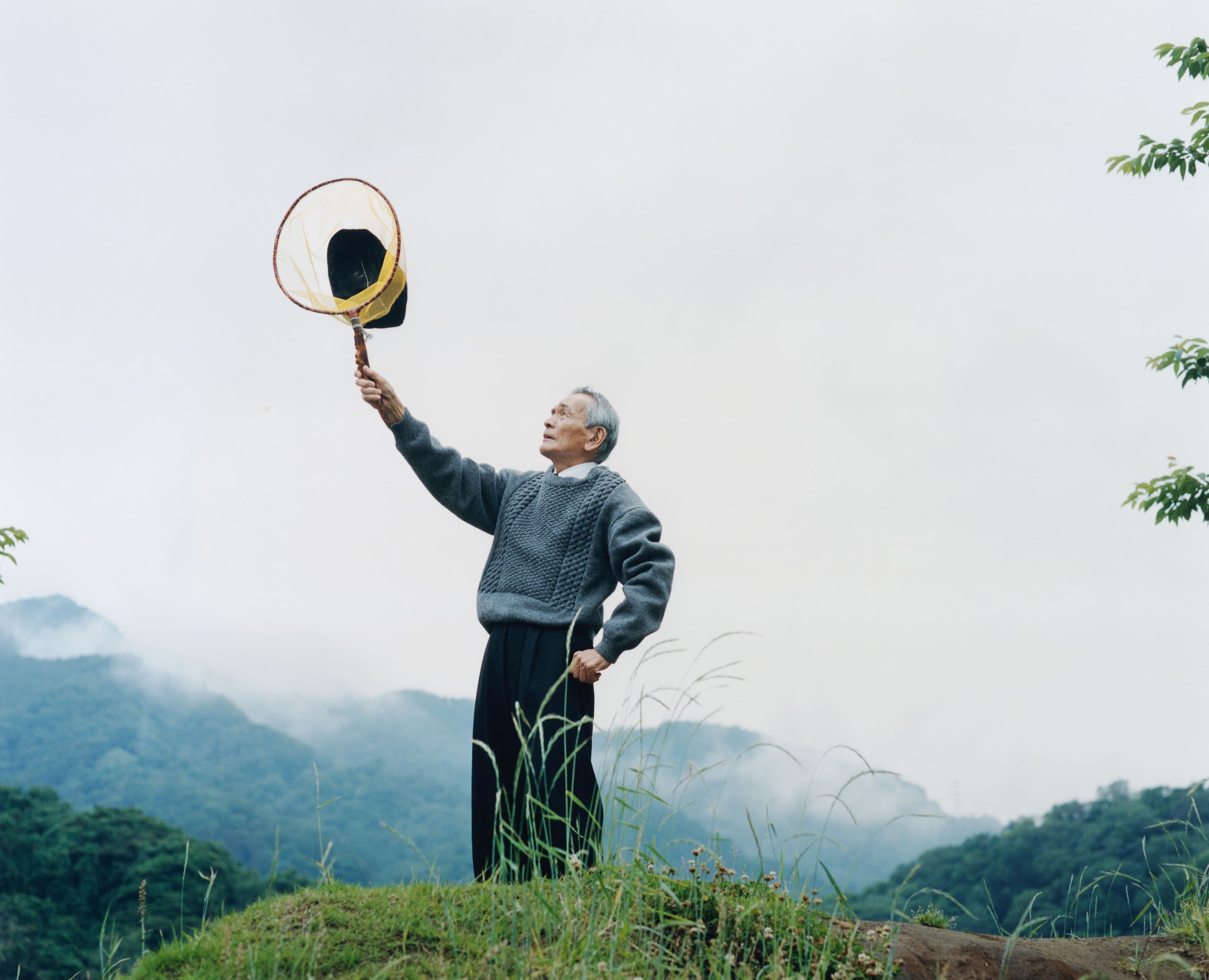
His material ecosystem, rooted in Japan, remains both his resource and his constraint. “I hear from many factories about the shortage of skilled artisans due to aging,” he says. “This also causes overcapacity and delays in delivery, which I think is a serious issue.” His proposed remedy is direct: “If our company grows larger, it might be a good idea in the future to send some of our staff to work directly at the factories.” The approach is pragmatic: sustainable, home-grown, and directly tackling constraints head-on.

For the past three seasons, the brand’s lookbooks and campaigns have been directed by Local Artist, a small team that works in tandem with Otsuki. “The core members for visuals are just the three of us—myself and the two of them,” he says.
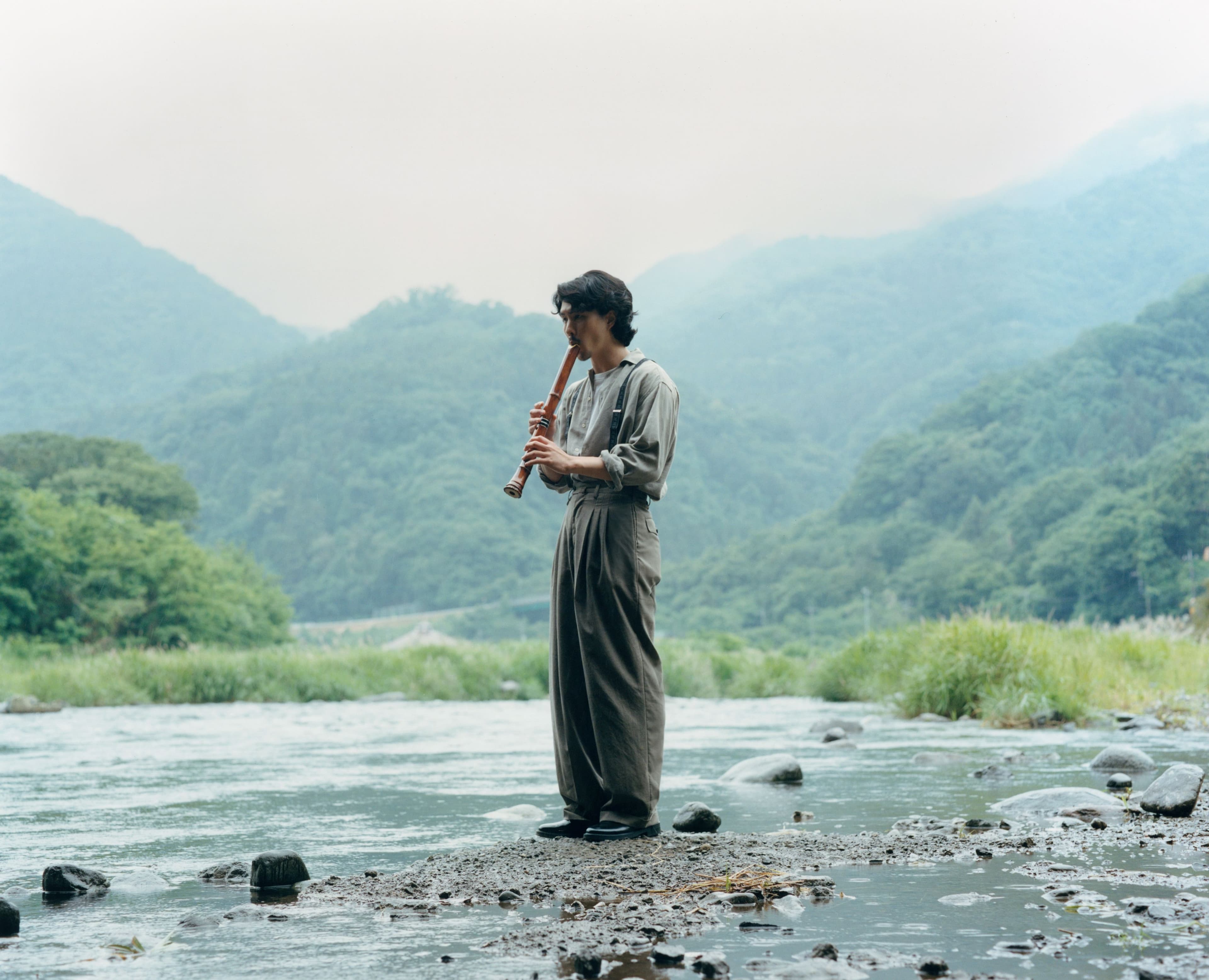
He resists the idea that tailoring limits him. “I do what I want—or perhaps, it’s all I can do,” he says. “Each time, I focus on overcoming the challenges from the previous season, so I’m always evolving.” What endures, he adds, is “the philosophy.” What he has let go of is wa—a shorthand for the overt traditionalism that once stood for Japan abroad. If the LVMH Prize exists to identify the next horizon of fashion, Otsuki’s win suggests that the horizon may not lie in scale or speed, but in rigor. His project is less a reinvention than a redefinition—one man, working through cloth and logic to give form to a tradition that has yet to find its standard-bearer.
For more information, please visit soshiotsuki.jp. Read this story and many more in print by ordering our tenth issue here.

As a nonprofit arts and culture publication dedicated to educating, inspiring, and uplifting creatives, Cero Magazine depends on your donations to create stories like these. Please support our work here.