



Sustainable Beauty
Loewe’s Aire Sutileza Elixir
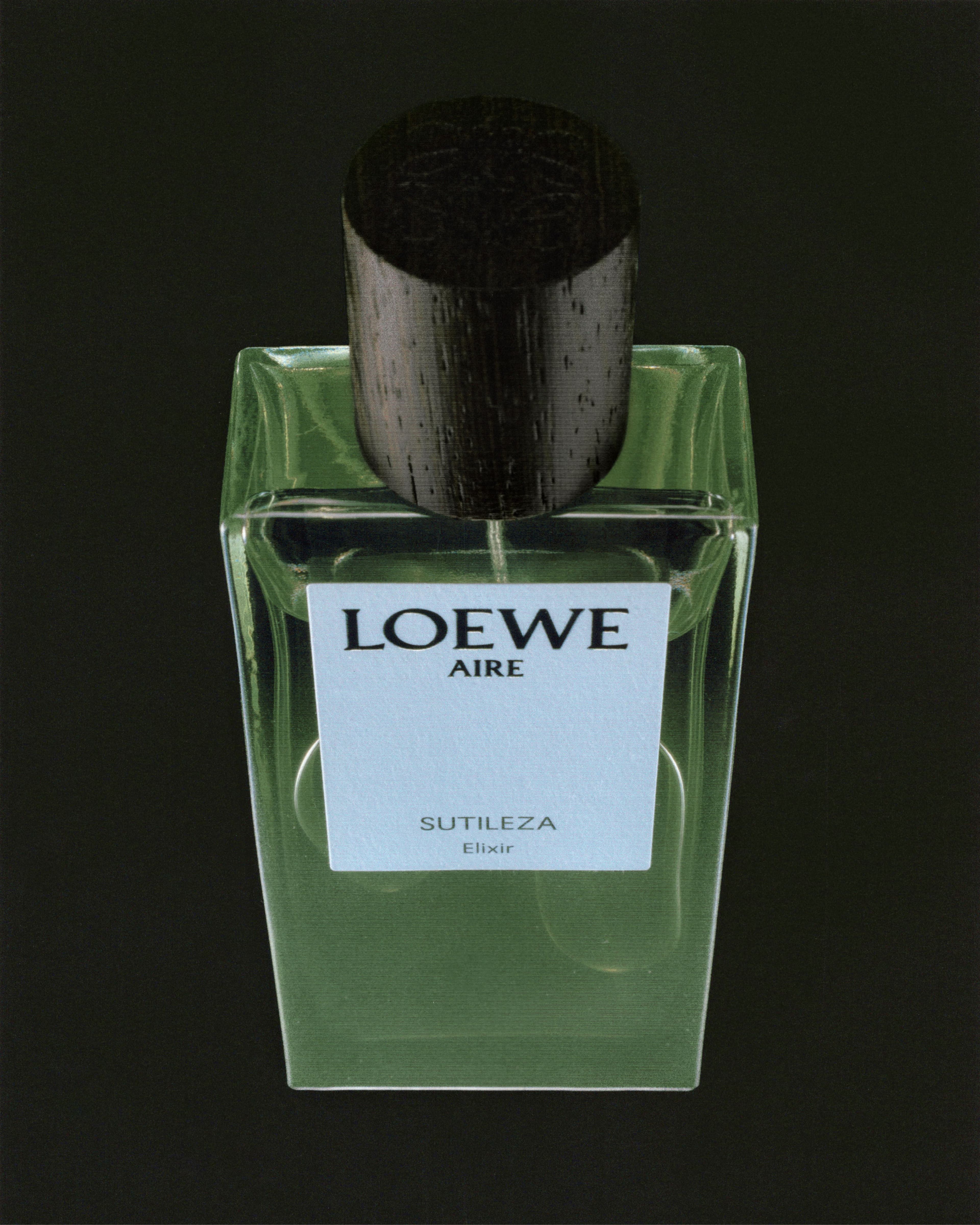
When Loewe’s in-house perfumer Nuria Cruelles began defining the house’s fragrance identity, she started with distinctly Spanish notes. Rockrose, indigenous to the south of Spain, became the central ingredient. Blooming only in the most remote and harshest environments, the wildflower is rustic with a warm, balsamic appeal, rough and unique to the region. It became the base of so many Loewe scents, including Aire Sutileza, a star of the house’s Botanical Rainbow collection from 2017. As in Jonathan Anderson’s clothes and the new, lively Loewe under creative directors Lazaro Hernandez and Jack McCollough, craft, emotion, and the raw beauty of distinctly Spanish nature lay at the heart of Botanical Rainbow. Aire Sutileza is fresh and juicy with a musky, sandalwood undertone. It quickly became one of the house’s top sellers.
Now, a new, deeply layered iteration of the beloved Aire Sutileza is arriving. Aire Sutileza Elixir is a more highly concentrated offering inspired by the original. The new perfume begins with pear and bergamot before giving way to orange flower, magnolia, and jasmine sambac with a base of vetiver, sandalwood, and that very distinct Spanish rockrose. The scent is light, inviting, and brightly seductive. With the high oil concentration, it also lasts on the body. New notes include French cassis, the aforementioned Italian bergamot, orange flower, and amber. Higher concentration means a more complex perfuming process. It also means a fragrance that can be used over many years.
Sourcing is crucial to the house. This commitment sits within Loewe’s overarching value of preserving craft, with several initiatives in this area. In Colombia, alongside Fundación Solidaridad por Colombia, they run a scholarship program helping the children of basket weavers attend university. In Madagascar, they partner with Envol Madagascar to train artisans in raffia weaving, sewing, and embroidery. In Senegal, the house supported a women’s community center. These ongoing projects run alongside a devotion to high-quality materials that last, preserving the expertise of making through generations and creating sustainable environments for these skills to be passed down. Aire Sutileza Elixir, in a refillable glass flask with a cap made from FSC-certified wood, is just the latest slow-made, carefully crafted object from the Spanish brand.
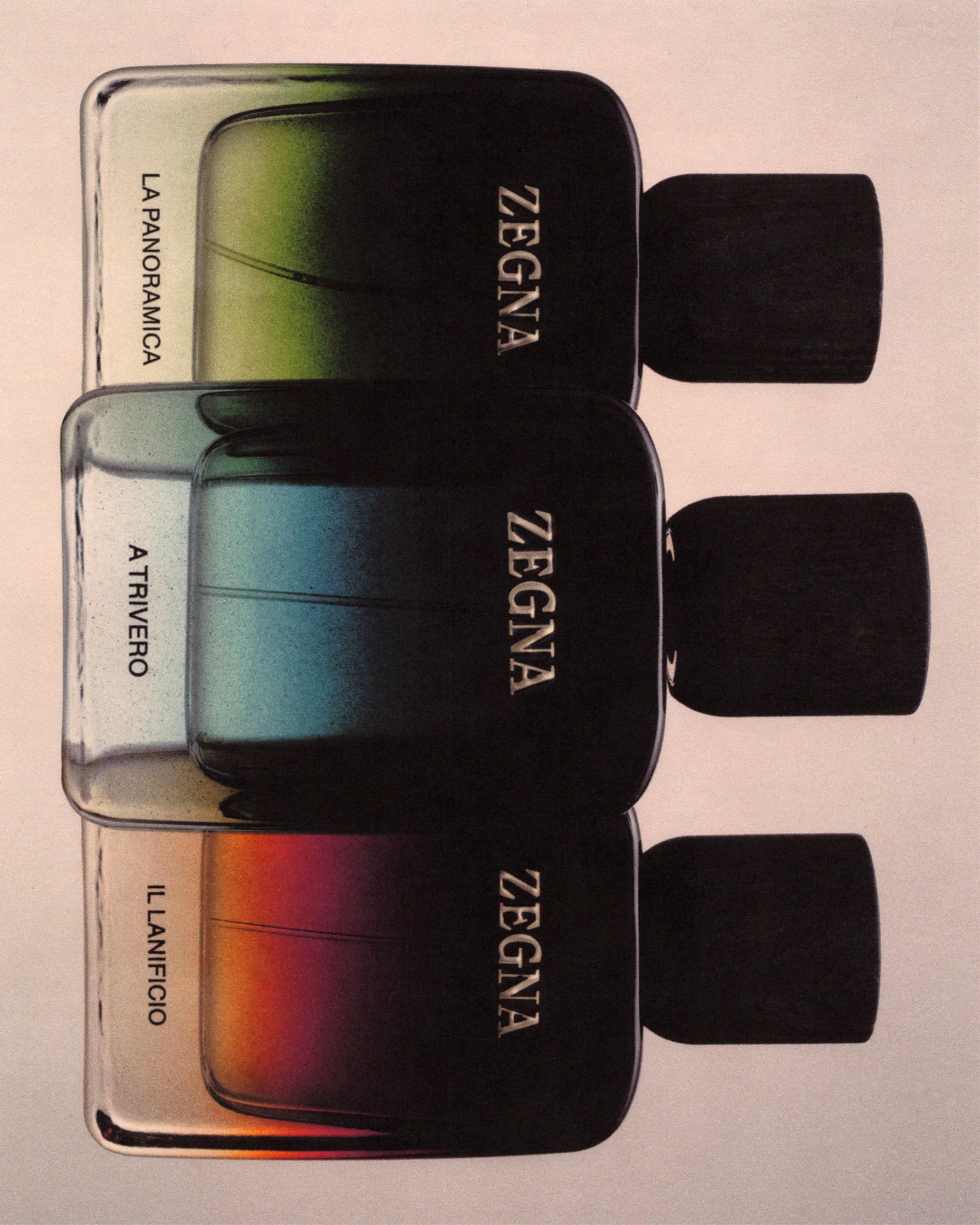
Zegna’s Memorie fragrance collection
For its first fragrance collection, the house of Zegna sought to create memories through scent—sensory calling cards that embody moments close to the Italian heritage label’s history and imagined self. “Memorie distills more than a century of vision, craft, and landscape into six olfactory volumes,” reads the house’s introduction to the scents. It’s an ambitious goal, one that Zegna brought to life with three master perfumers: Dominique Ropion, Fabrice Pellegrin, and Quentin Bisch. Ropion, an industry legend known for creating mainstays like Mugler’s Alien, Viktor&Rolf’s Flowerbomb, and Frederic Malle’s cult obsession Portrait of a Lady, crafted a pine needle, vetiver, and French lavender rumination on the road across from Oasi Zegna, a park in Piemonte. He also gave us Il Calamaio, or ‘inkwell,’ a scent inspired by a morning in Ermenegildo Zegna’s study. Other perfumes touch upon the wool mill, the garage (notes of gasoline and the Alpine air feature as Mr. Zegna remembers his Lancia Aurelia), and a dampened pine forest. These are the scents of the Italian Alps and the elements that form the house’s signatures.
Like many luxury fragrance brands of late, Zegna’s new perfumes are refillable and housed in glass with an ash-wood cap. What’s not so typical is Zegna’s net-zero commitment. The house is heavily invested in reforestation efforts, its latest initiative setting a goal to plant and protect half a million trees by 2027. “Safeguarding the environment is one of our founding values and fundamental obligations,” says the house. “In 2024, the Group has formally adopted an Environmental Policy to promote sustainable practices and reduce our environmental impact, continuing to focus on reducing our environmental footprint and contributing to the renewable energy transition. Responsibility towards people, community, and the natural world has been at the heart of the Ermenegildo Zegna Group’s belief since its founding.”
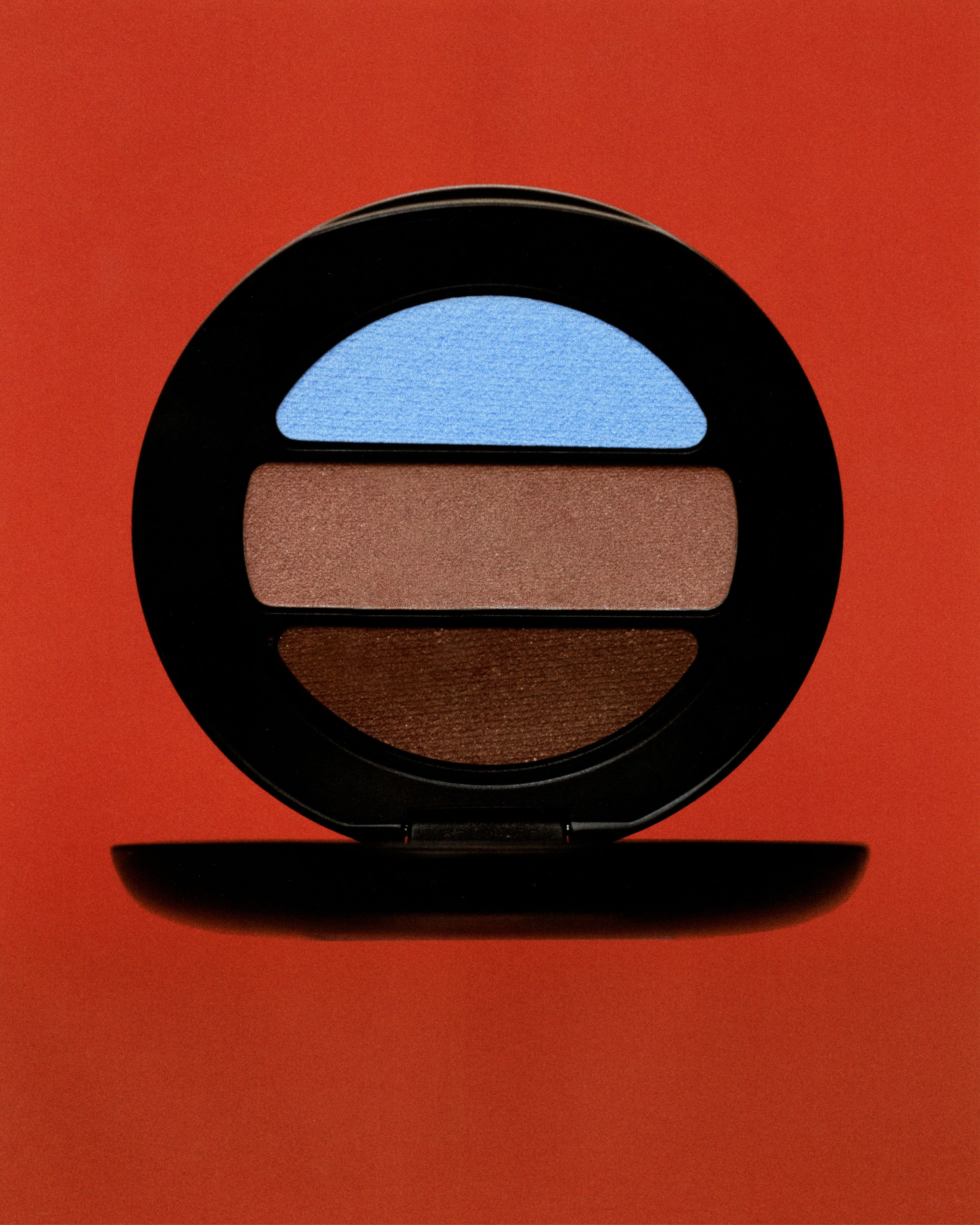
Fara Homidi’s Essential Eye Compact
The Afghanistan-born, California-raised makeup artist Fara Homidi is perhaps best known for her raw and beautifully tactile runway and editorial work. The smudged lips, blushing cheeks, and sweet sweat of Lazaro Hernandez and Jack McCollough’s sensual Loewe debut images and the wild, animal-painted bodies of Duran Lantink’s Juergen Teller-lensed Spring 2025 campaign come to mind. Homidi’s visual language is lush, emotive, and, more than anything, wonderfully human in an era of AI slop and digital perfection. Homidi’s namesake line draws directly from this minimal yet hand-touched æsthetic.
Her newest drop is the Essential Eye Compact, a jet black compact holding three cream shadows in two different colorways used in the artist’s own work. The hues are inspired by Mark Rothko’s color field paintings. A bright blue—arguably Homidi’s signature shade—goes from gentle to high impact when layered. The formula is a one-of-a-kind cream-cashmere, allowing for depth and a soft blur. Application will not look stamped on or airbrushed, but rather living, and the compacts are reusable. That they could easily double as design objects makes refilling them desirable—a quality that goes a long way as consumer testing reveals that most refillable products are simply thrown away and purchased again.
Homidi hopes to make reusing an intuitive act, something that isn’t just “the right thing” but an easy and seductive choice. Her line is composed of just a handful of carefully developed products, made by reducing waste through circular packaging; the use of recycled metal, carefully sourced FSC-certified wood, and, only when necessary, bioplastic; and a blend of natural and safe, low-impact, synthetic ingredients. She has shared that it’s a process of experimentation to get the products to the required level of artistry and efficacy using clean, responsibly sourced ingredients—the labs need to be pushed and new technology embraced. Anyone who has used and reused her Face, Bronzer, and Lip Compacts has felt the results. That Homidi’s beautiful products give back, with one percent of sales funding education in Tajikistan, Pakistan, and her native Afghanistan, is an added bonus.
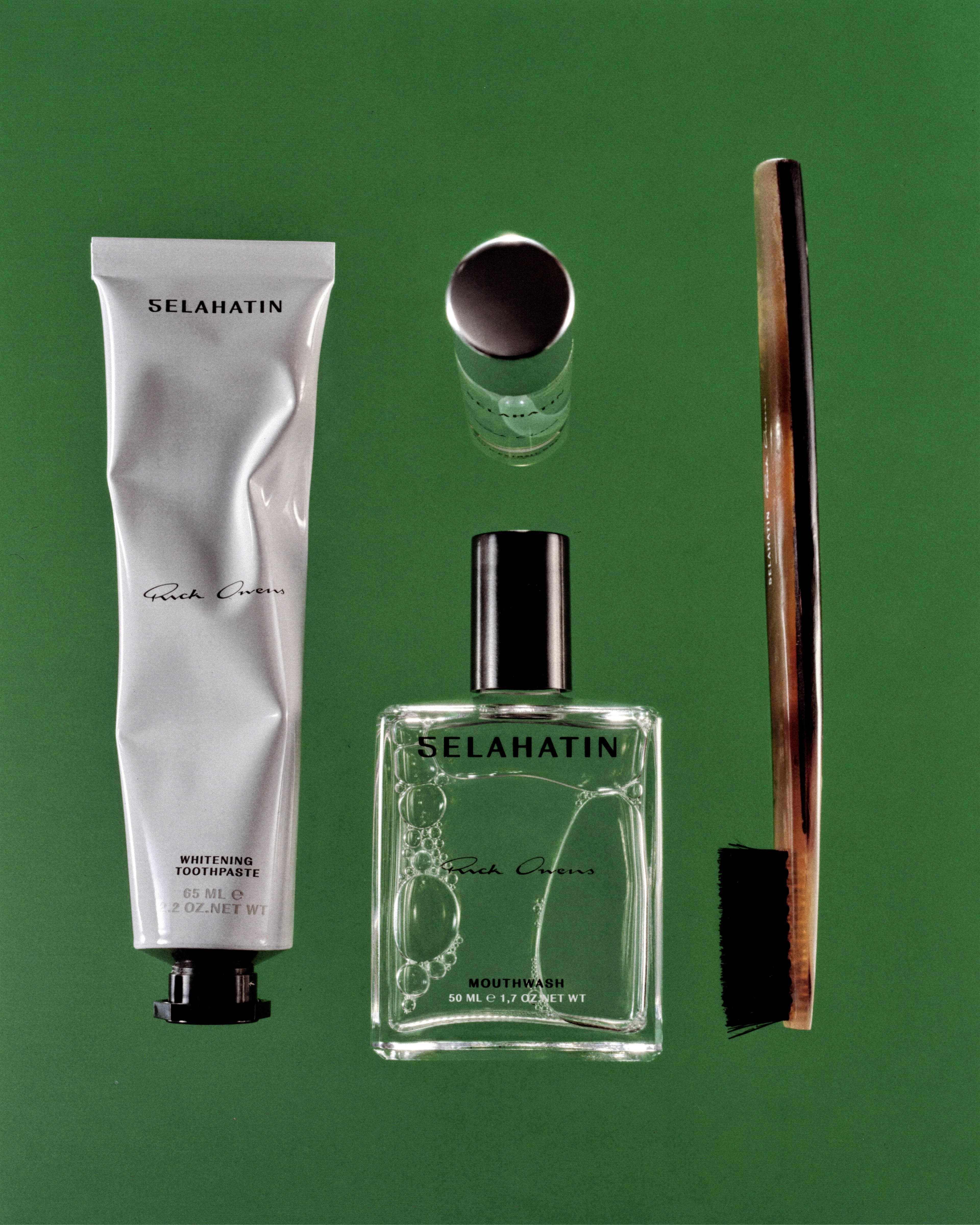
Selahatin x Rick Owens’s toothpaste
The story behind Rick Owens’s Selahatin toothpaste is somewhat surreal and almost cinematic. It began in 2016 when Swedish-Turkish entrepreneur Kristoffer Vural suffered a stroke. He was only twenty-five years old and became paralyzed for a year. Over time, he regained mobility through intense physical therapy, but one aftereffect lingered—Vural now had hyper-sensitive taste and smell. Previously banal acts, like brushing his teeth with vaguely chemical-tainted, artificially minty toothpaste, became unbearable. It led Vural to develop Selahatin, an artful niche toothpaste line named for his Turkish grandfather. In place of conventional spearmint tubes of plastic, Vural gave us experimental, refined offerings like Hypnotist, with a flavor described as “glossy, faintly narcotic” with anise, honey, and peppermint. Selahatin’s toothpastes, made by a top Swiss dental lab, are encased in aluminum, which can be recycled up to nine times and holds a much smaller carbon footprint than plastic. Mouthwash comes in glass bottles, and toothbrushes are made from natural, biodegradable materials. They are also beautiful.
To continue: one day, Vural read in passing that Owens used his toothpaste. Elated, Vural made an ad revealing that Selahatin is the legendary designer’s toothpaste of choice. Owens saw it and appreciated its cheekiness, deciding to reach out about working directly together. The resulting collaboration is an ode to Owens’s Brutalist sensibility and lifestyle. Vural approached its creation like a method actor: he started smoking and drinking coffee and gin to get into character and mimic the designer’s lifestyle and palette. The result is a whitening toothpaste; mouthwash; natural, handcrafted horn-and-boar bristle toothbrush; and Eau d’Extrait Oral, a sort of perfume for the mouth. The flavor contains notes of Madagascar vanilla, Sichuan pepper, verbena, juniper, dark citrus, rosemary, and peppermint. Antioxidant and anti-inflammatory ingredients for strengthening the skin barrier sit alongside protective elements. It is, in a word, unusual. The travel kit, featured here, includes small versions of all of these offerings. Plastic-free and worth holding onto, it’s a sustainable take on the standard vacation accessory. The toothbrush itself is one of a kind.
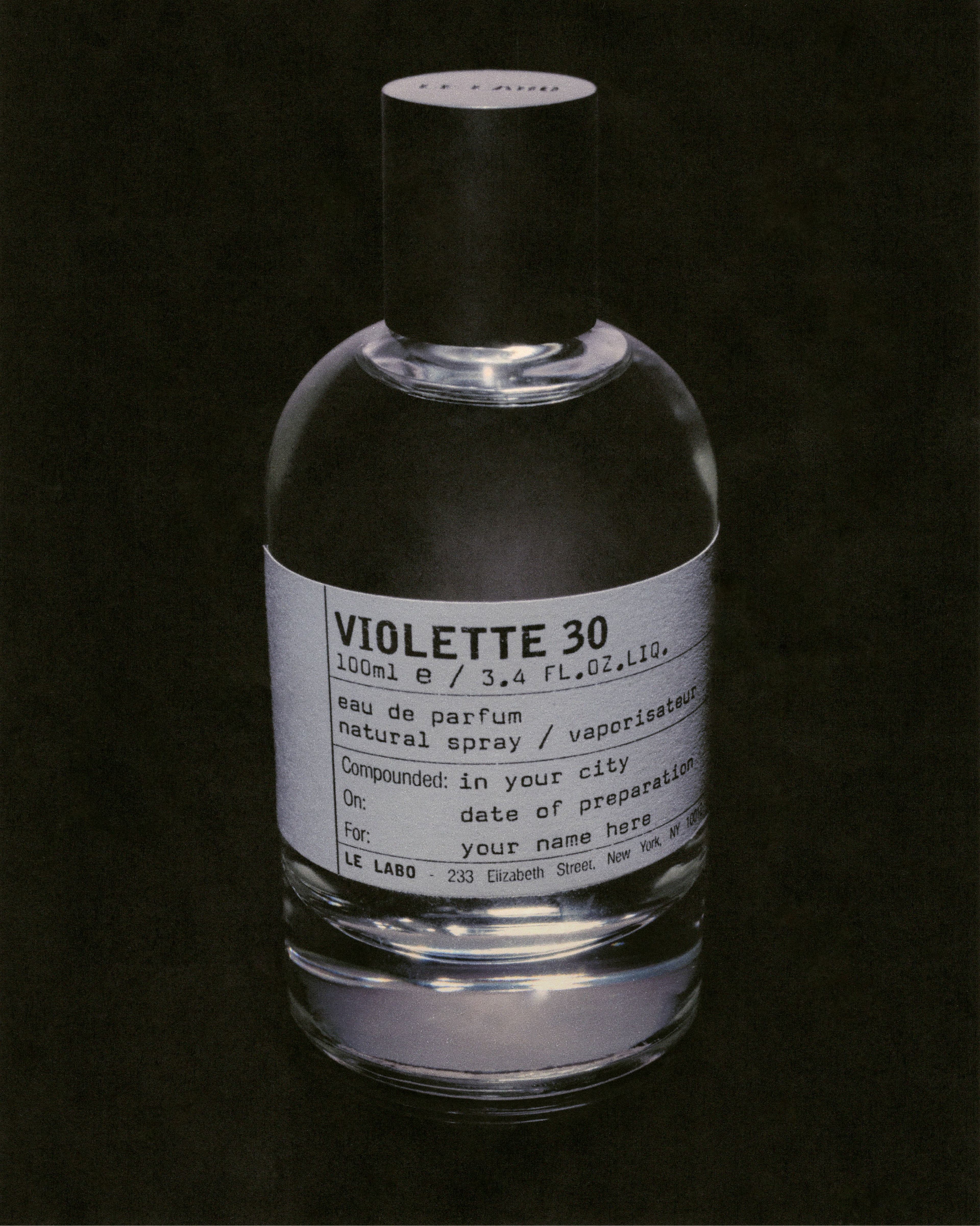
Le Labo’s Violette 30
The newest fragrance to enter Le Labo’s Classic Collection is a celebration of a single flower, the violet. The house describes it as “a bloom that embodies beautiful duality,” noting innocence, passion, and the contrast between strength and delicacy as qualities that have been associated with the plant in literature, poetry, and popular culture over the centuries. The perfume is inspired by these dichotomies. Imagine: verdant green notes and white violet blend with creamy guaiacwood, tea notes, and cedarwood. Violette 30 is a layered, complex scent that feels almost paradoxical at first whiff. You’ll take in the organic flower and its roots and soil, then a warmth surrounds you.
Like Le Labo’s other core fragrances, Violette 30 is included in the brand’s refill program, which incentivizes reusing original glass bottles to lower waste by offering a twenty-percent discount to clients who come back with their bottles. The scents are blended by hand in each “lab” when you pick them up, giving an artisanal appeal while also reducing shipping. Le Labo as a whole is also B Corp-certified, a rarity in the perfume industry. This is all a part of the company’s slow perfumery philosophy, which focuses on raw materials and the artistry that conserves them and brings them to life. Each fragrance in the Classic Collection is named for a single ingredient, with the number following its name indicating the number of ingredients it holds. For Violette, it’s white violet and twenty-nine others, joining a formidable cast, including Santal 33, Thé Matcha 26, and Thé Noir 29. It may be the most alluring violet scent around.
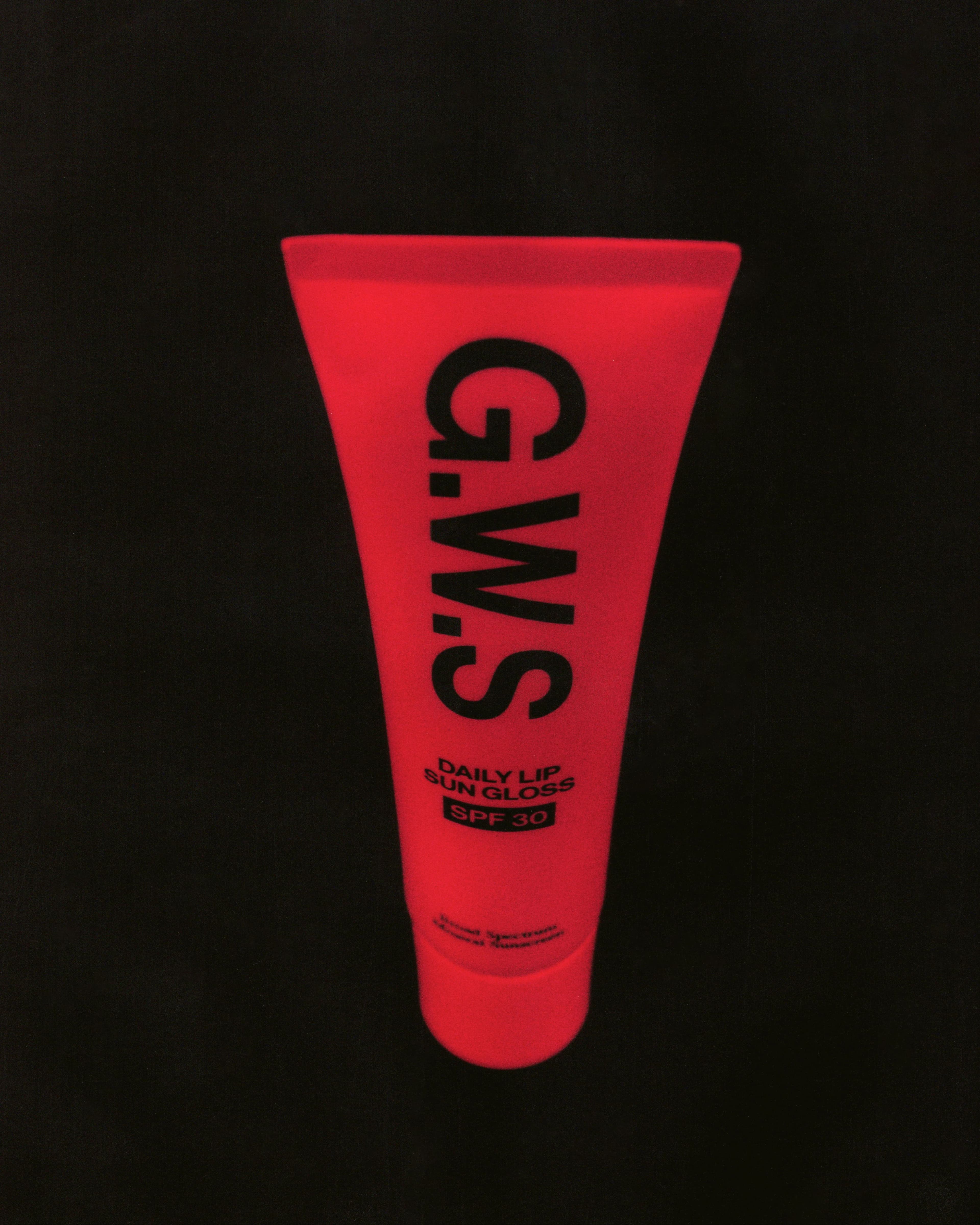
Good Weather Skin’s Sun Gloss
When friends and former Everlane colleagues Franchesca Hashim and Alexandra Spunt founded Good Weather Skin last year, they were searching for something they couldn’t find themselves. The two women wanted a luxurious mineral sunscreen that performed like skincare, one that wouldn’t leave a white cast on darker skin and was made without the irritants, environmental pollutants, and hormone disruptors common in many standard sunscreens. The result is Good Weather Skin, a zinc sunscreen line filled with collagen-supporting peptides, antioxidant-rich sea buckthorn oil, and other nourishing ingredients like squalane and niacinamide that was actually tested on all skin tones. The newest launch from the line is Sun Gloss, a lip SPF designed for the area most commonly overlooked in sun protection. Like the two core sunscreens the brand offers, Sun Gloss is mineral and made with carefully sourced non-toxic ingredients. It comes in two buildable shades, Ripe Berry and Iced Coffee. With non-nano zinc oxide—containing particles too large for coral bleaching—it is also reef safe. We wouldn’t expect anything less considered.
See this story and many more in print by ordering your copy of our eleventh issue here.
As a nonprofit arts and culture publication dedicated to educating, inspiring, and uplifting creatives, Cero Magazine depends on your donations to create stories like these. Please support our work here.