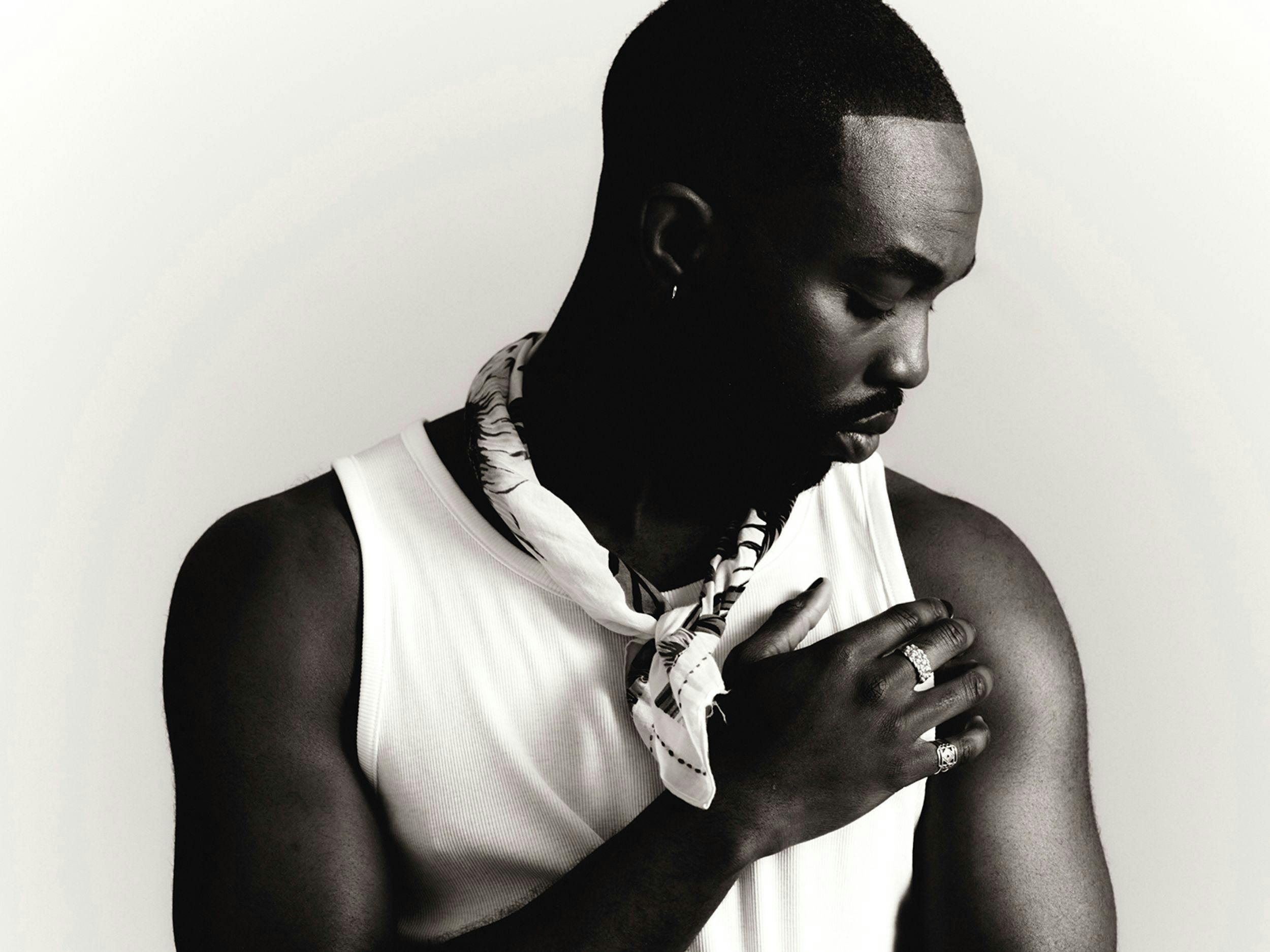





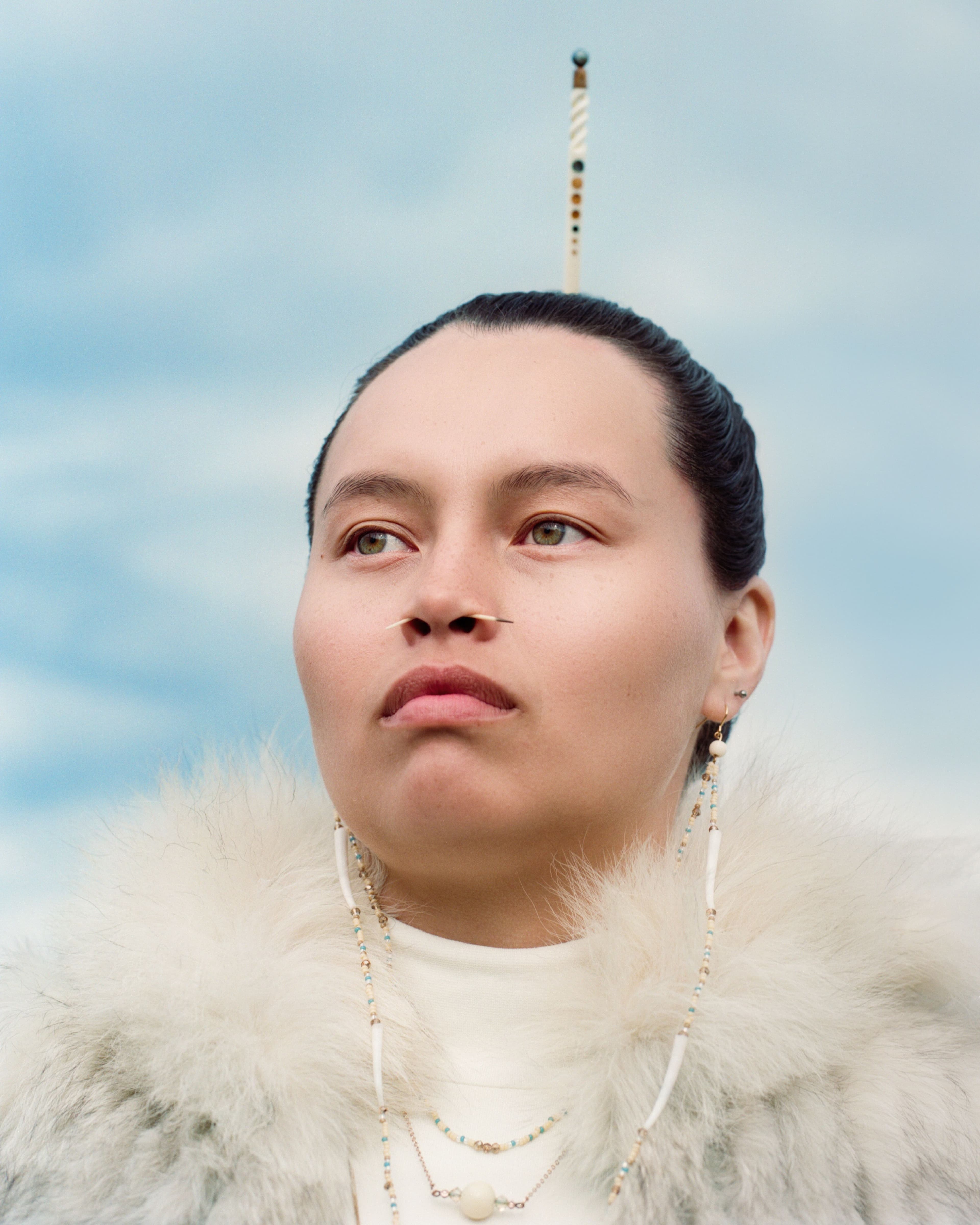
Brittany Woods-Orrison; Dleł Taneets, Alaska
TOKALA Heads to the Frontlines
Originally conceived as a digital photo series for Vogue in 2022, TOKALA is a powerful exploration of youth organizers advocating for social and climate justice. A collaboration between photographer Carlos Jaramillo, stylist Marcus Correa, and organizer Thómas Lopez Jr., TOKALA provides readers the rare opportunity to not only recognize frontline activists but also cultivate a deeper understanding of the crucial work they put in on the ground.
Now, for the first time since Cero Magazine’s collaboration with the project at The Shed, TOKALA is available in corporeal form—a hardcover, full-color book spanning thirteen activists across eleven locations throughout the United States. Featuring an afterword by model-activist Quannah Chasinghorse, the book, which came about after the publisher met the creative team at the Shed, leverages glossy portraits juxtaposed with documentary images to highlight the ongoing and historic efforts within QBIPOC communities to combat climate change.
Xicano activist and organizer Lopez, a veteran of climate action from the Indigenous Youth Council to the Dakota Access Pipeline protests and broader resistance to fossil fuel expansion, speaks to Cero Magazine on the story behind TOKALA and the cross-generational efforts that preceded it.
When introducing someone to TOKALA, how do you describe the project?
TOKALA is a series of stories that depict Black and Indigenous peoples of Turtle Island, the lands they call home, and the depth of the relation between the two. TOKALA seeks to highlight young people working in the community at the intersection of climate and social justice. TOKALA is the Kit Fox Society, an elite warrior society of the Lakota people known for being heavily trained from a young age to serve and protect the people.
Many hands and minds contributed to this project. How has your experience working with such a closely knit team been, especially considering your existing working relationship?
Working in teams is never “easy” so to speak, and it’s important to know that going into any working relationship. Discourse is healthy, but how you choose to address said discourse is what matters. Ninety percent of the time we’re on the same page, but there were times when certain things needed more time, more attention and more patience, more discussion, and that’s ok. Often we get so caught up in the industry side of things that we can strip ourselves and our projects of their humanity; TOKALA is not that project. We are a very small team, producing at a freakishly high value, and in order for us to have sustained this in a healthy manner requires humanity and grace at every step; and no, we were not always successful at this practice, but it was always reeled in to the true purpose of why we were doing this project.
When approaching a project which seeks to highlight often-overlooked activists—many of whom were not photographed in this manner in the past—what are the first guiding principles you seek to adhere to?
You have to understand that most of the TOKALA activists stem from relationships I had been tending to for years by the time this project was a thing. I traveled to Standing Rock in 2016, and I was thrust into the world of frontline, nonviolent direct action. Through that, I was introduced to different people leading the fights against corporate extraction in their own backyards. This trust was the base of each subject we chose to highlight.
We also have to talk about extraction when doing a project like this. Regardless of how you spin it, we were extracting from these communities. However, it was of the utmost importance to us that each community was in control of their own narrative. Everything that was shared, via photo or print, got final approval from the activist and their community. Many of these communities want the visibility these platforms can provide, but they want to be autonomous on how the world sees them and understands their story. Stories and teachings are sacred, and they have been stolen, packaged, and sold in the same way the land and water have. We refuse to replicate this violent form of storytelling.
We are now in a very different administration than when TOKALA first came to existence, with serious implications for climate and indigenous communities. In this context, how has your understanding of the project evolved or shifted over the years?
Right wing, left wing…same bird.
Quannah’s afterword is a powerful call to action for a critical time for our planet. How involved was she with the project?
One thing some people may not know about Quannah is that she is a product of the American Indian Movement and frontline defenders. I know she talks about it, but if you didn’t grow up in it, it’s hard to understand the profound responsibility you feel to answer the calls of the people. I have seen her go from being a young woman on the frontlines with her parents to being a powerhouse matriarchal figure for young women everywhere. Although she didn’t have a heavy hand in production, she was an inspiration to everyone we worked with. We wanted each young person featured in the book and any young person like them to know they are as powerful and deserve the same love, respect, and visibility as someone like Quannah—and I know she would stan that statement because at the heart of each water protector or land defender is the unconditional, true love for our land and people.
How did she come on board for this afterword?
I think I hit her up on Instagram and asked her…Or we shot her management team an email. Or both, I can’t remember. I’m telling you these movement networks run deep!
Is there anything else you’d like to share about the project?
This project didn’t start with us. Many of these stories have been told for generations. We didn’t cast these people; they were chosen by their ancestors to speak and be seen. To speak and be seen for all those who were cut down before they got the chance. To speak and be seen for all those who are silenced even now! To speak and be seen for the generations yet to come. This project was guided by ancestral wisdom and rooted in community care. TOKALA can and should be replicated. Our people must be heard, they must be seen, and we must be the ones to ignite those fires and tell the stories of the land and people. A’ho mitakuye oyasin—all my relations.
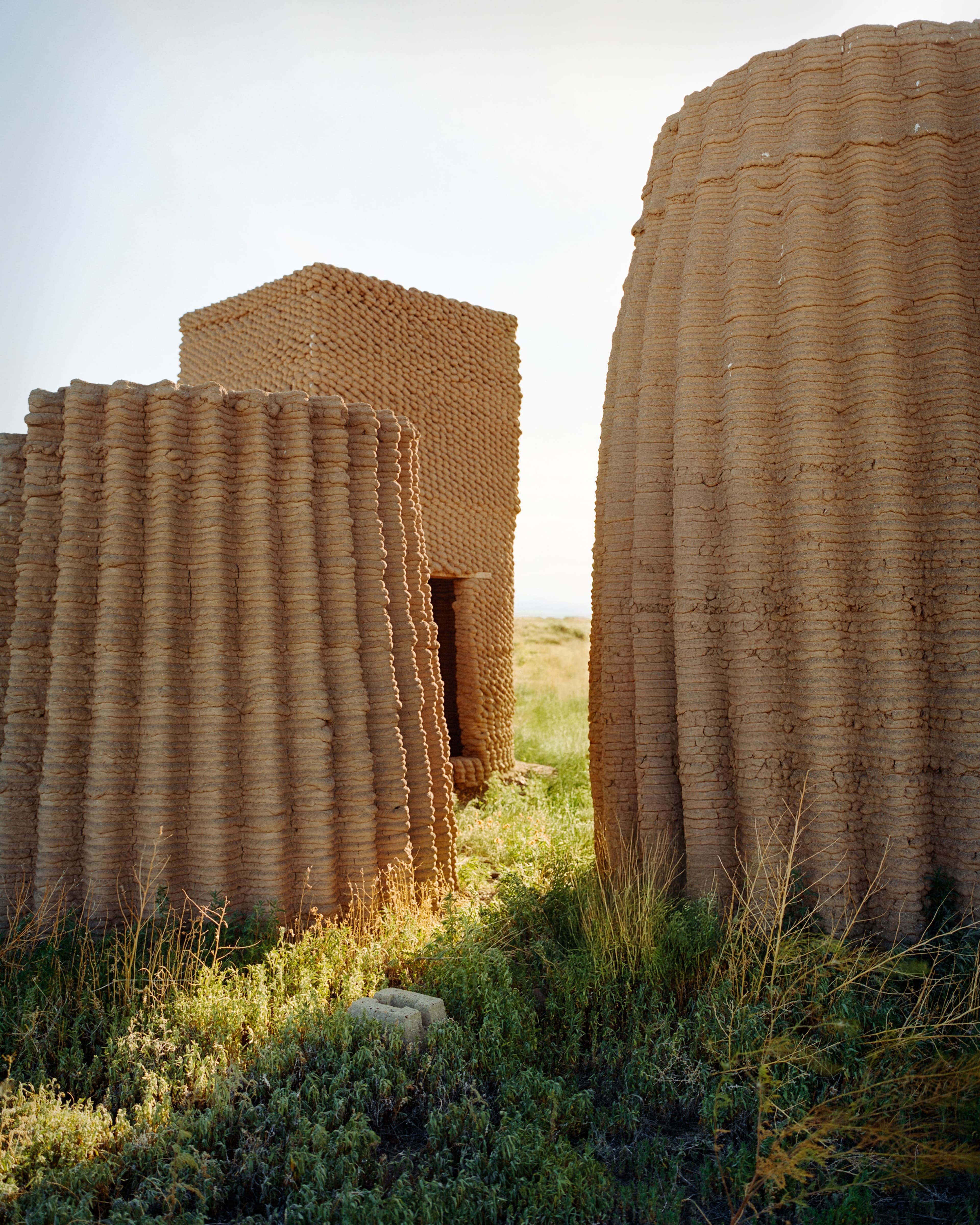
Mora, New Mexico
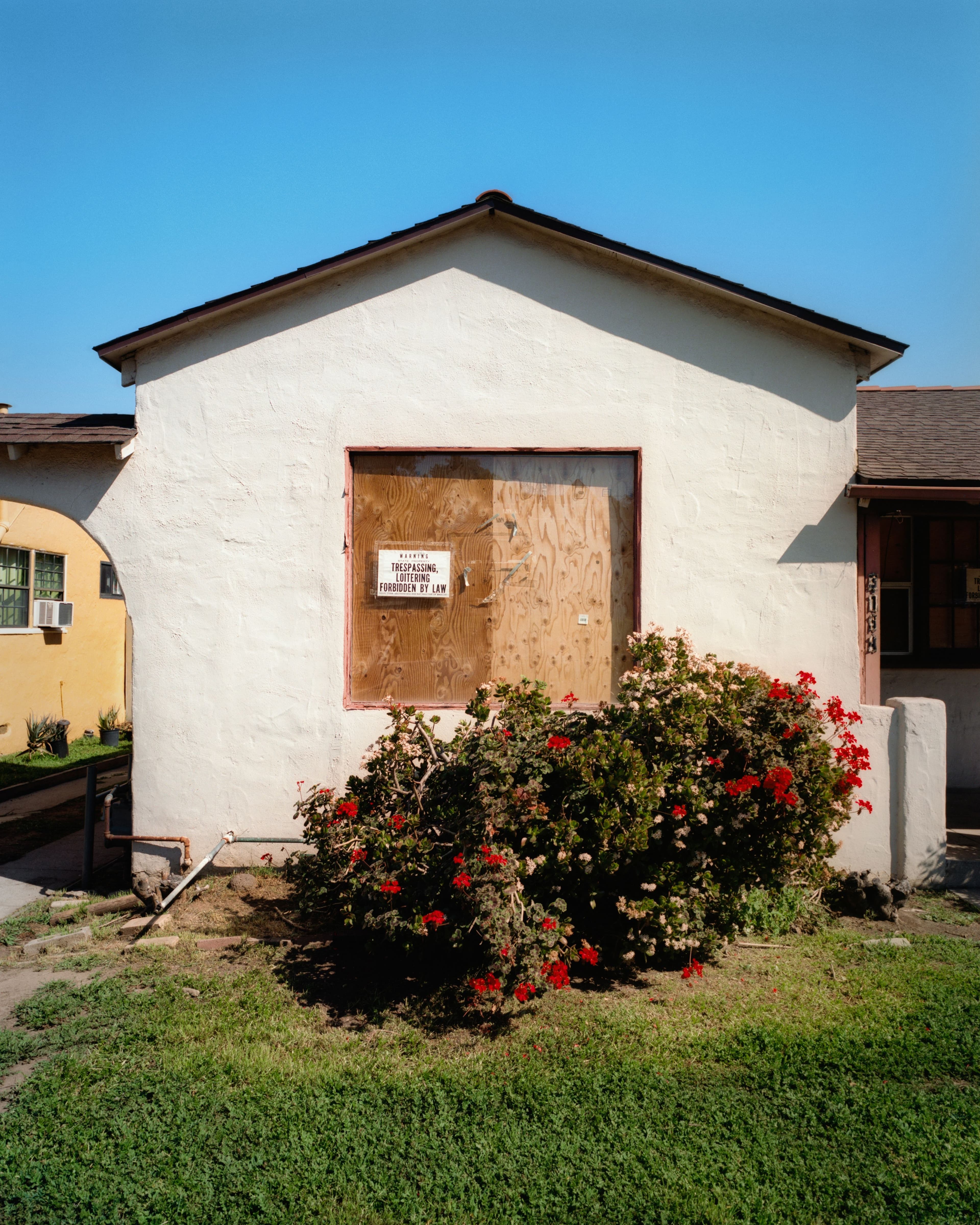
El Sereno (Los Angeles), California
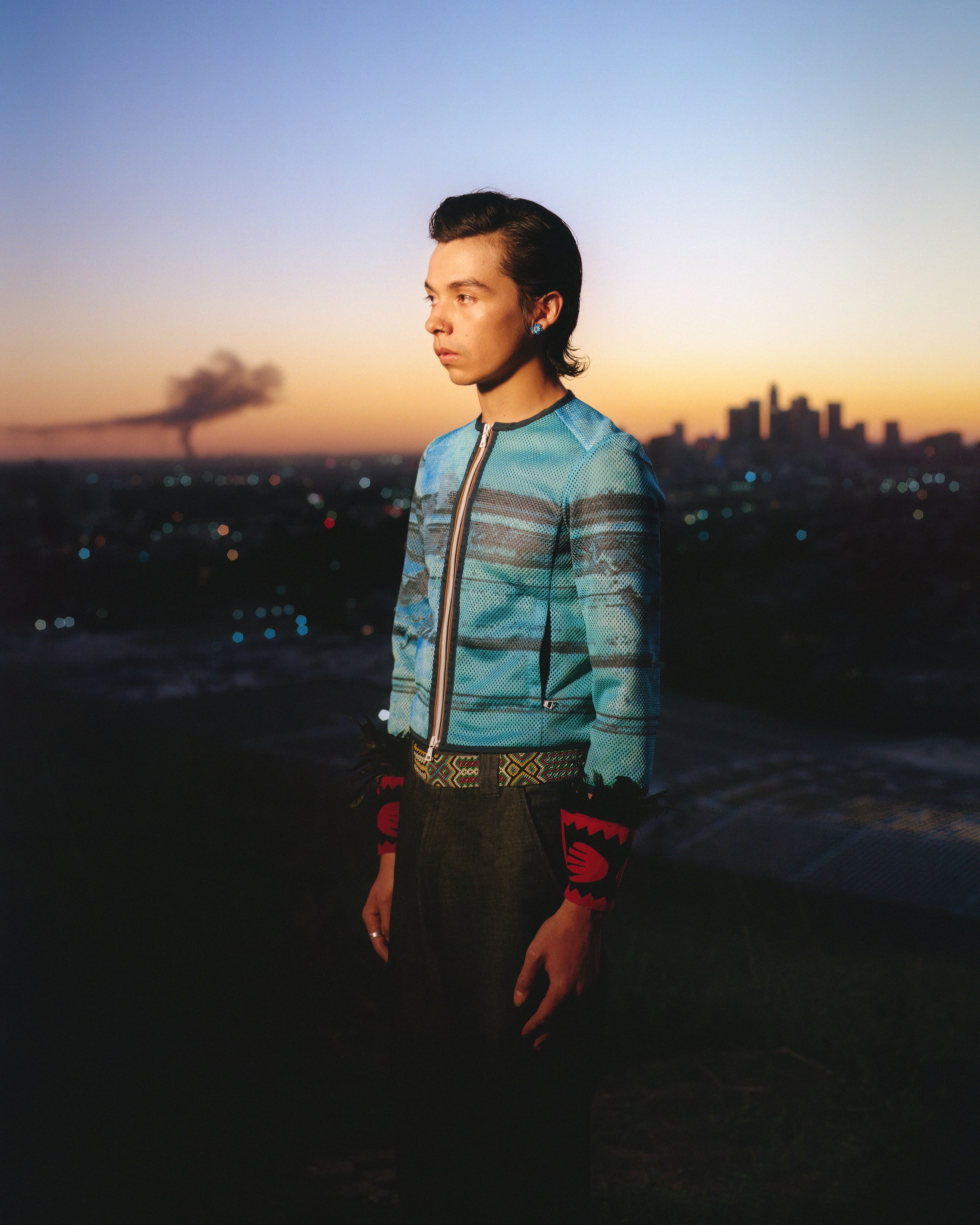
Atlakatl Ce Tochtli Orozco; El Sereno (Los Angeles), California
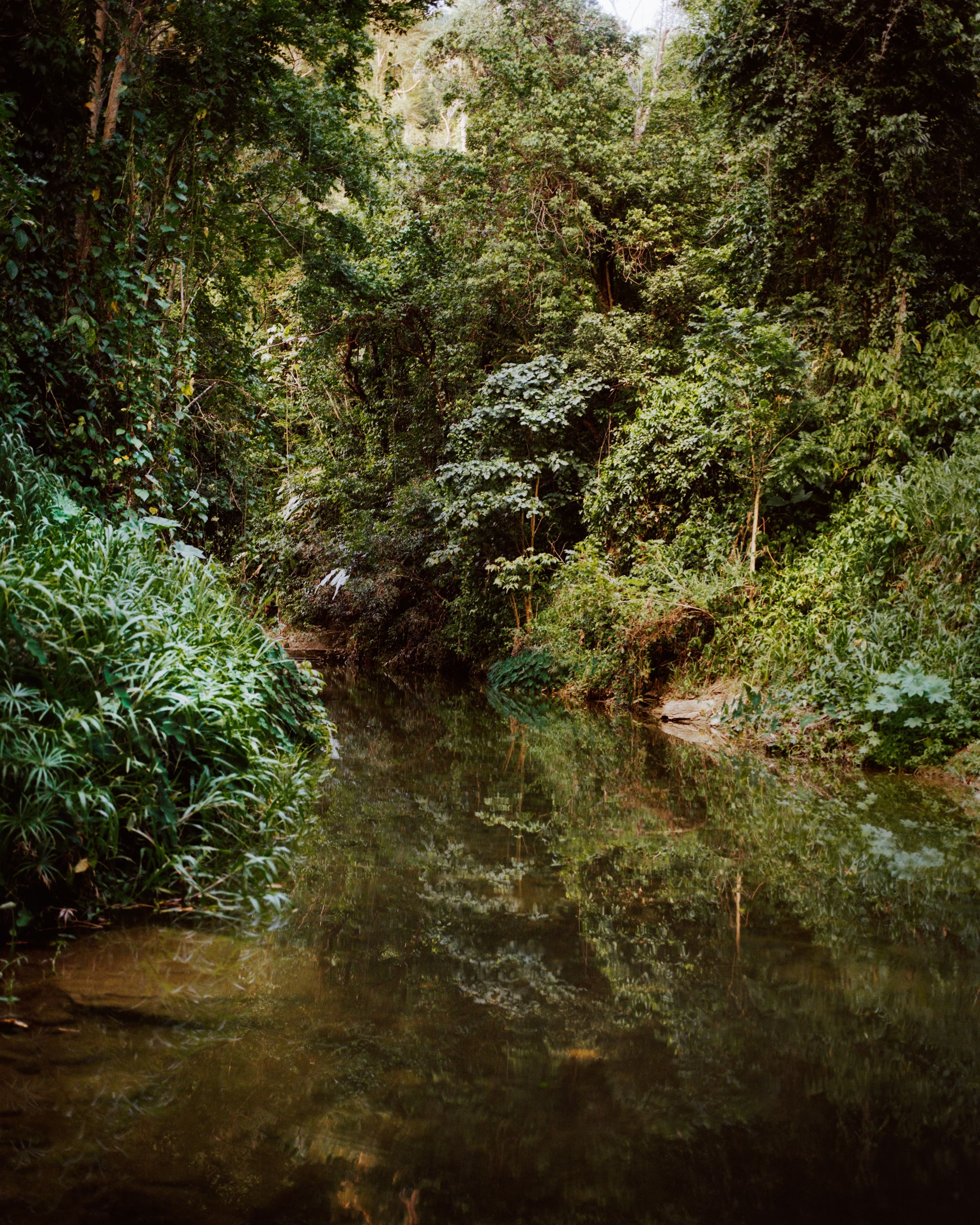
Isabel McCullough Valentín; San Juan, Puerto Rico
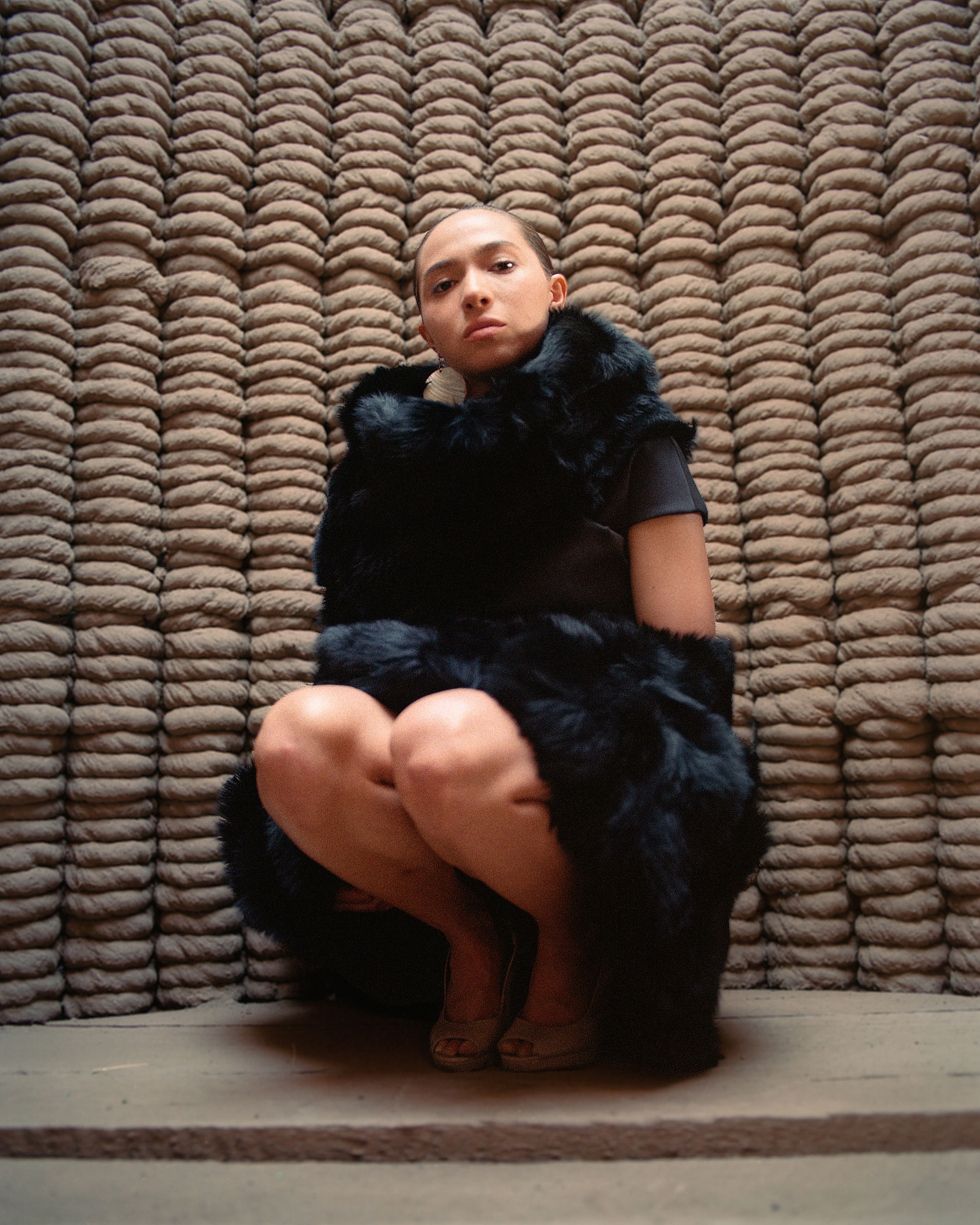
Esperanza Soledad Garcia; Mora, New Mexico
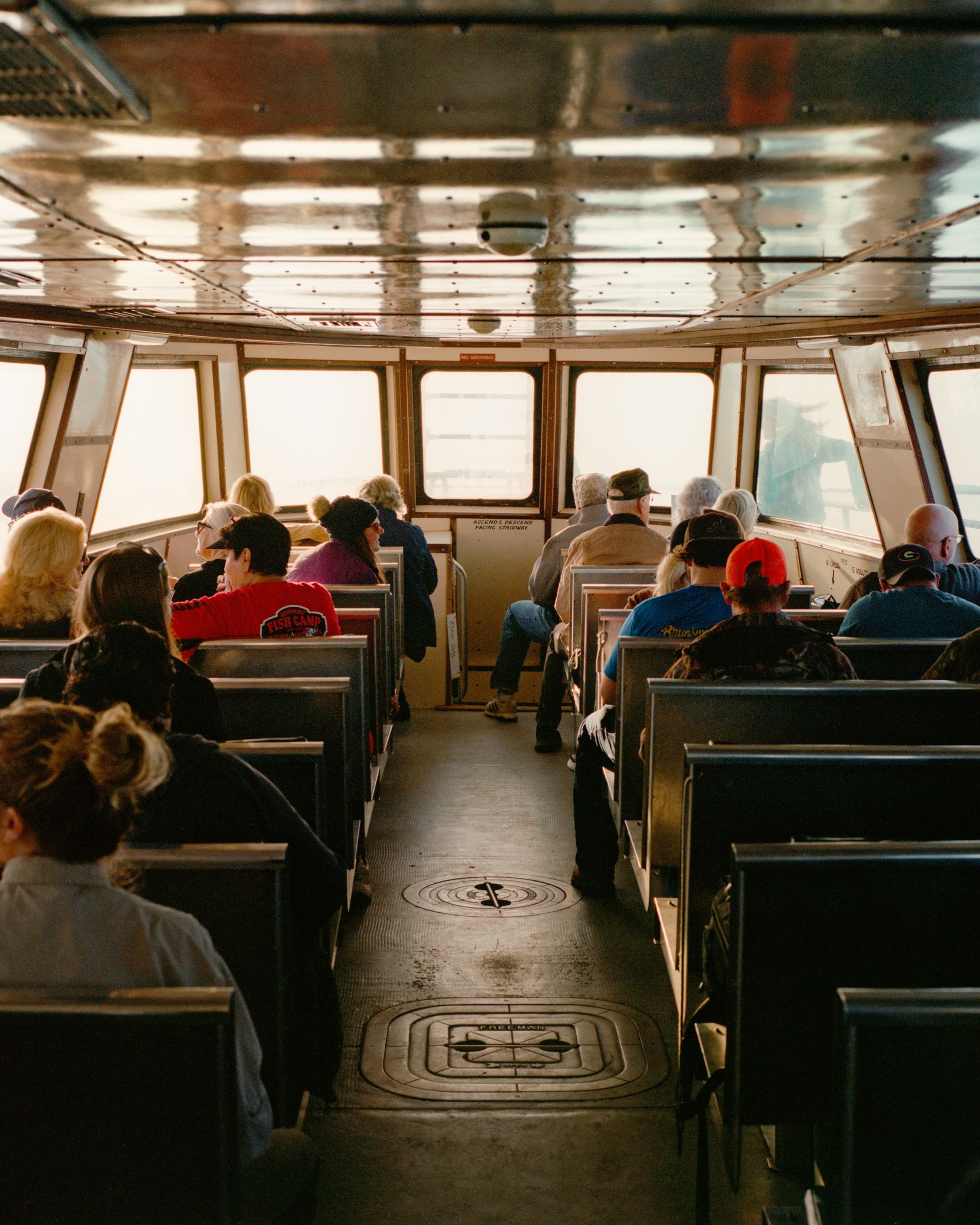
Sapelo Island, Georgia
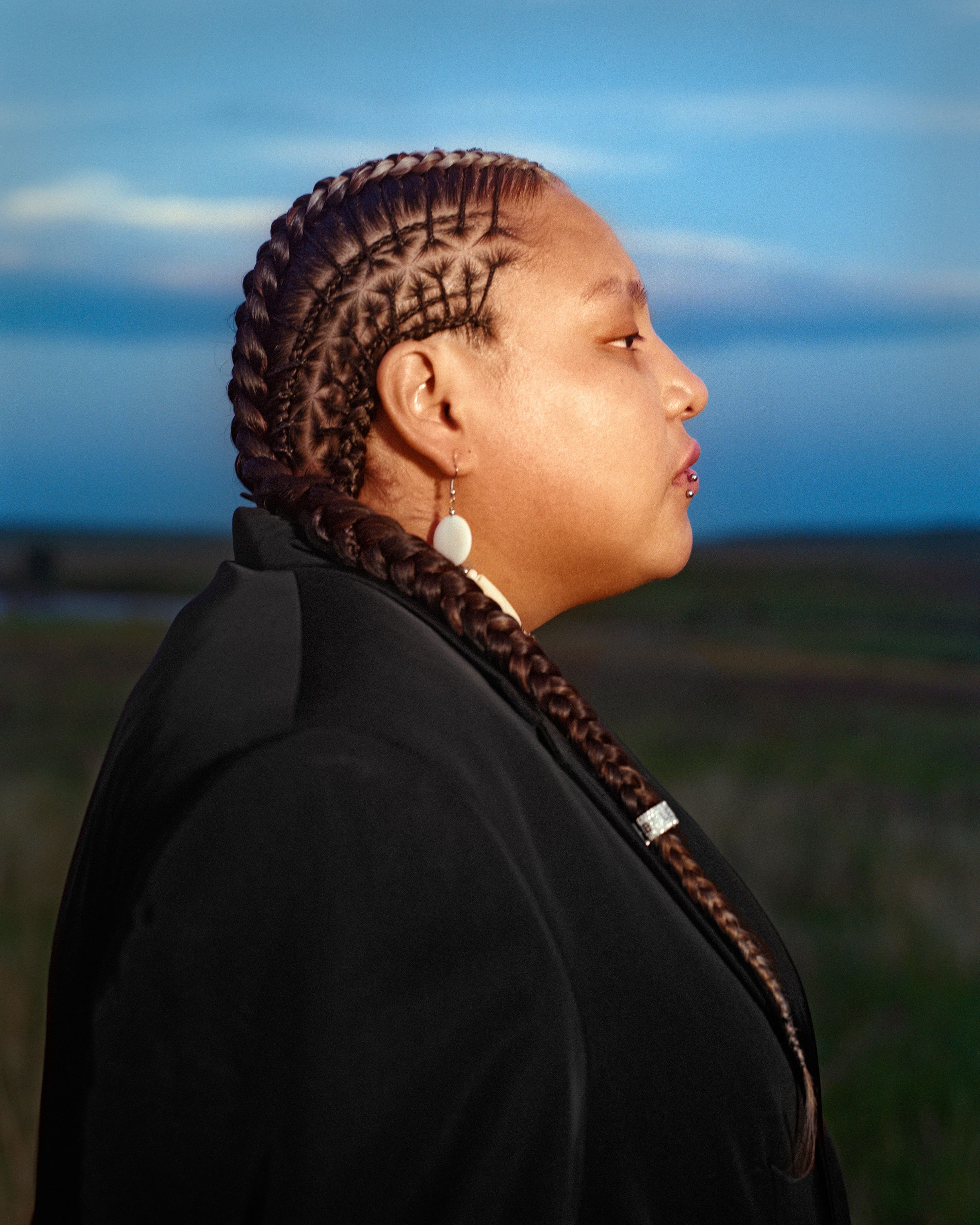
Jace Charger; Eagle Butte, South Dakota
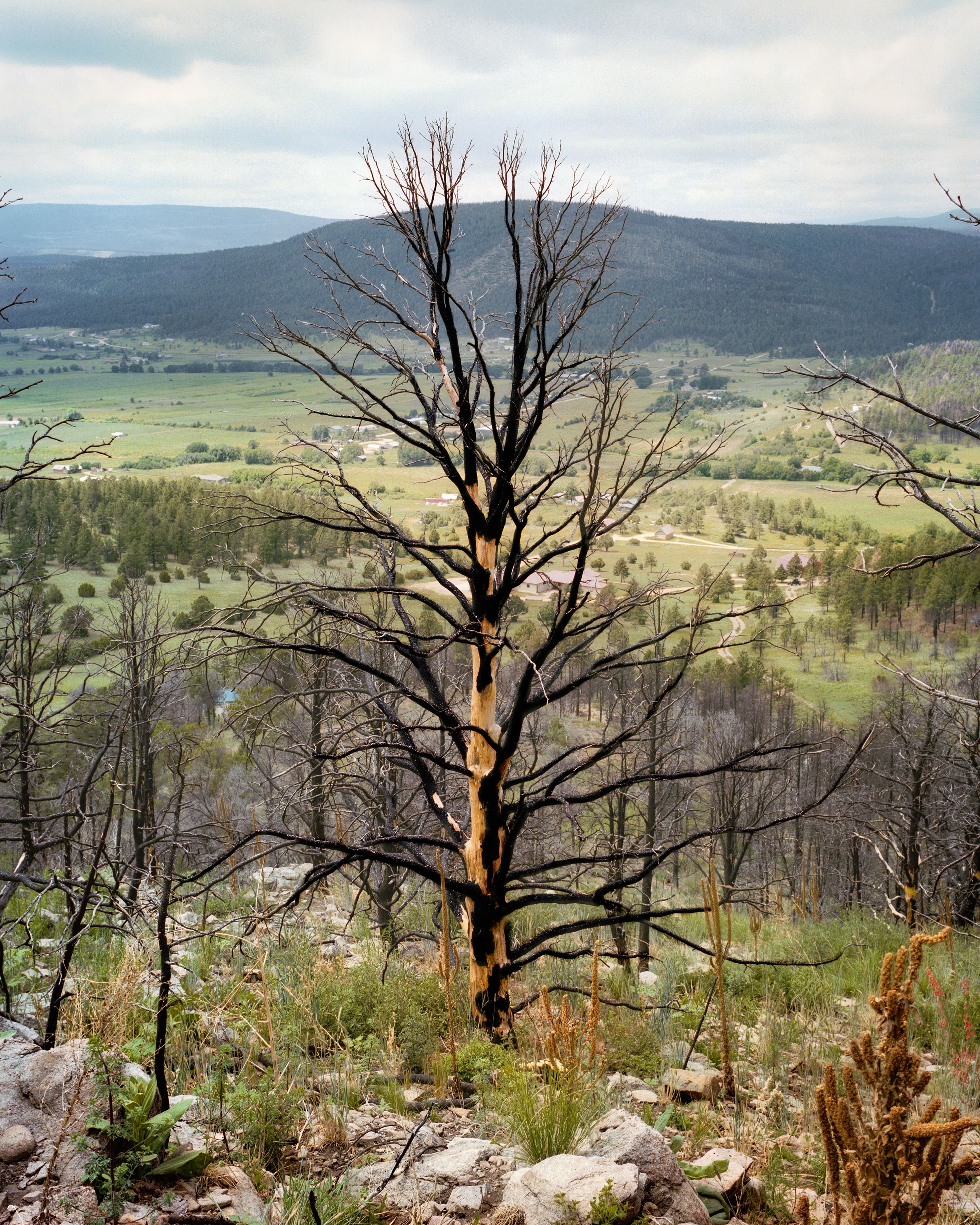
Mora, New Mexico
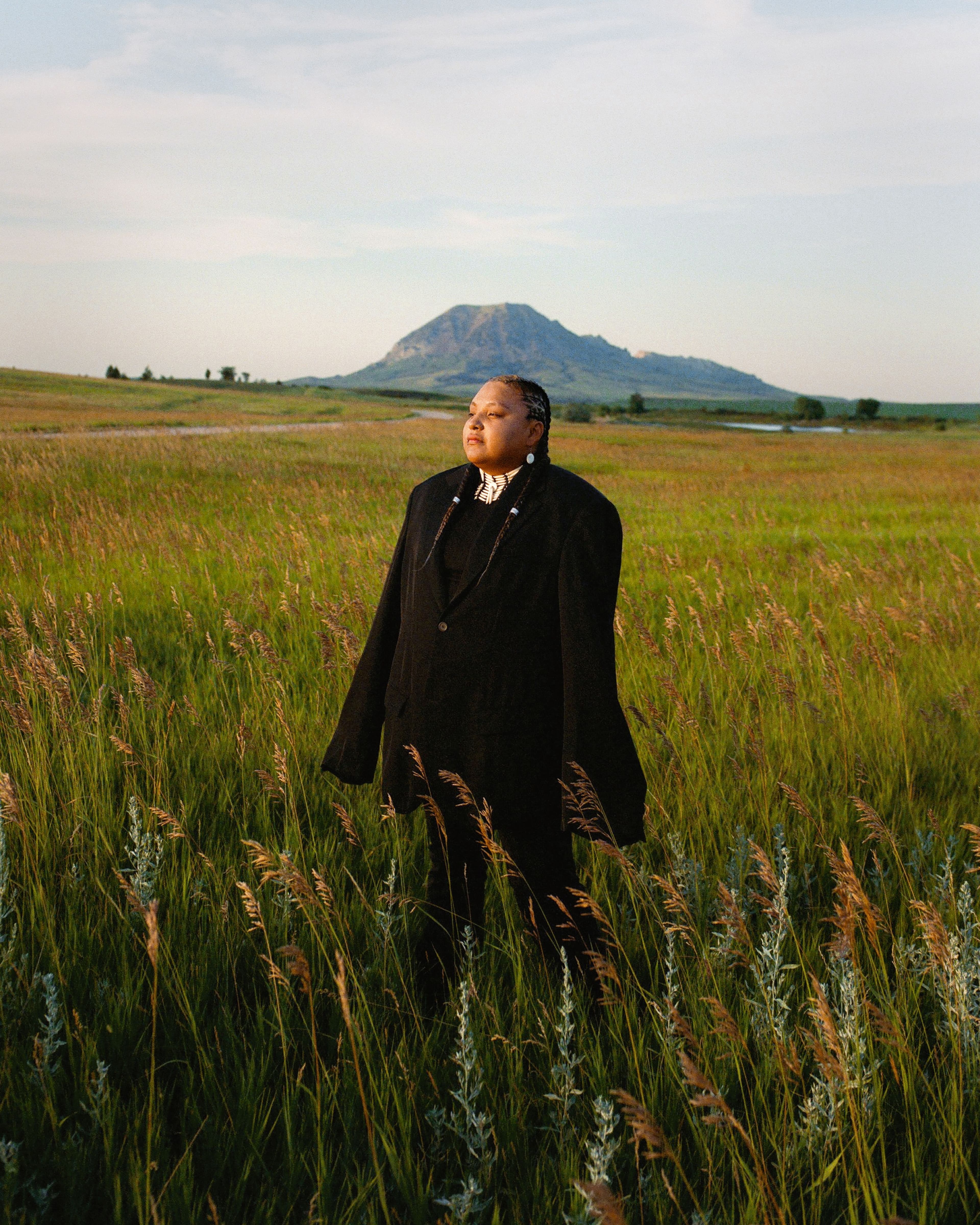
Jace Charger; Eagle Butte, South Dakota
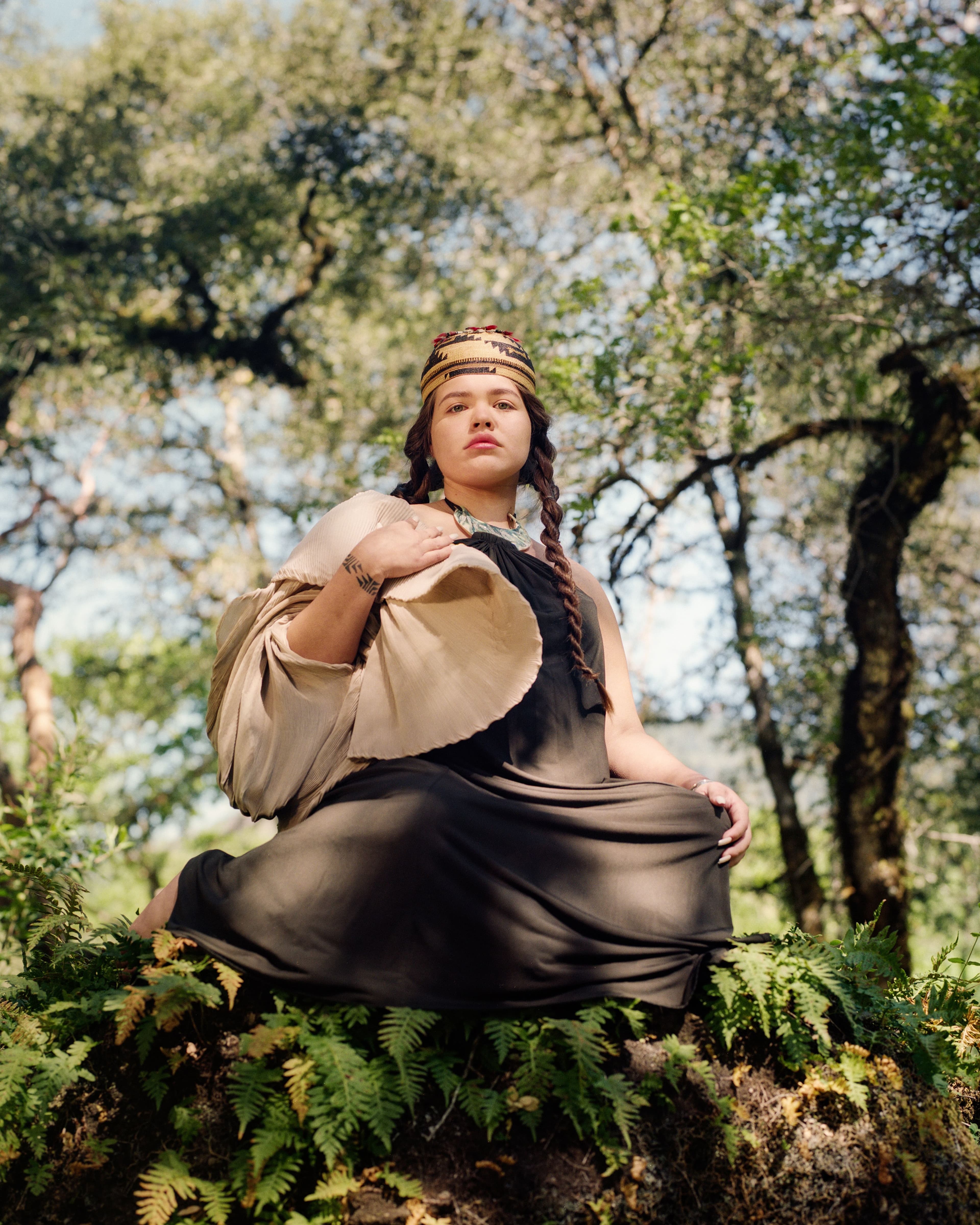
Danielle Ray Frank; Hoopa, California
As a nonprofit arts and culture publication dedicated to educating, inspiring, and uplifting creatives, Cero Magazine depends on your donations to create stories like these. Please support our work here.