
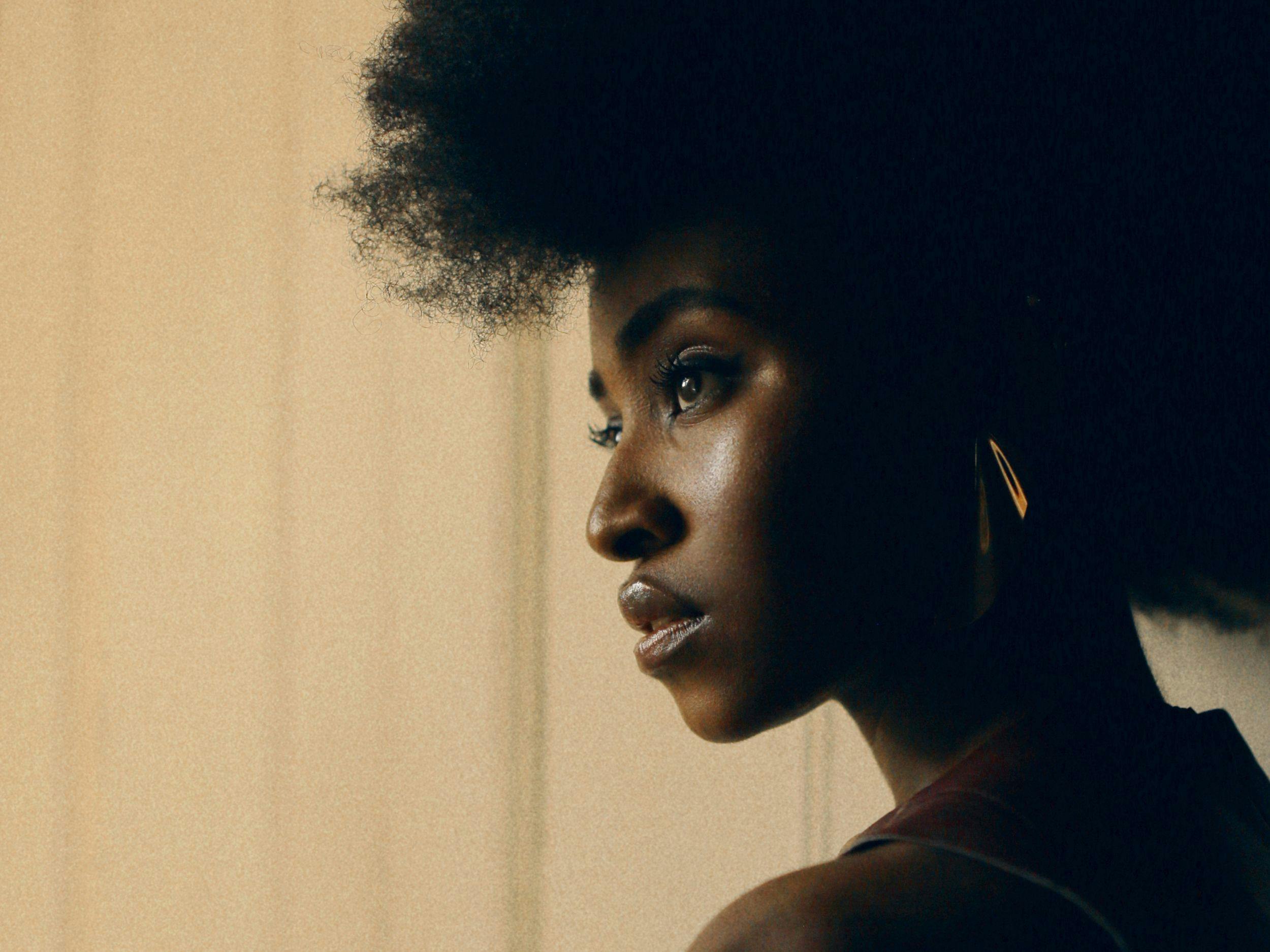
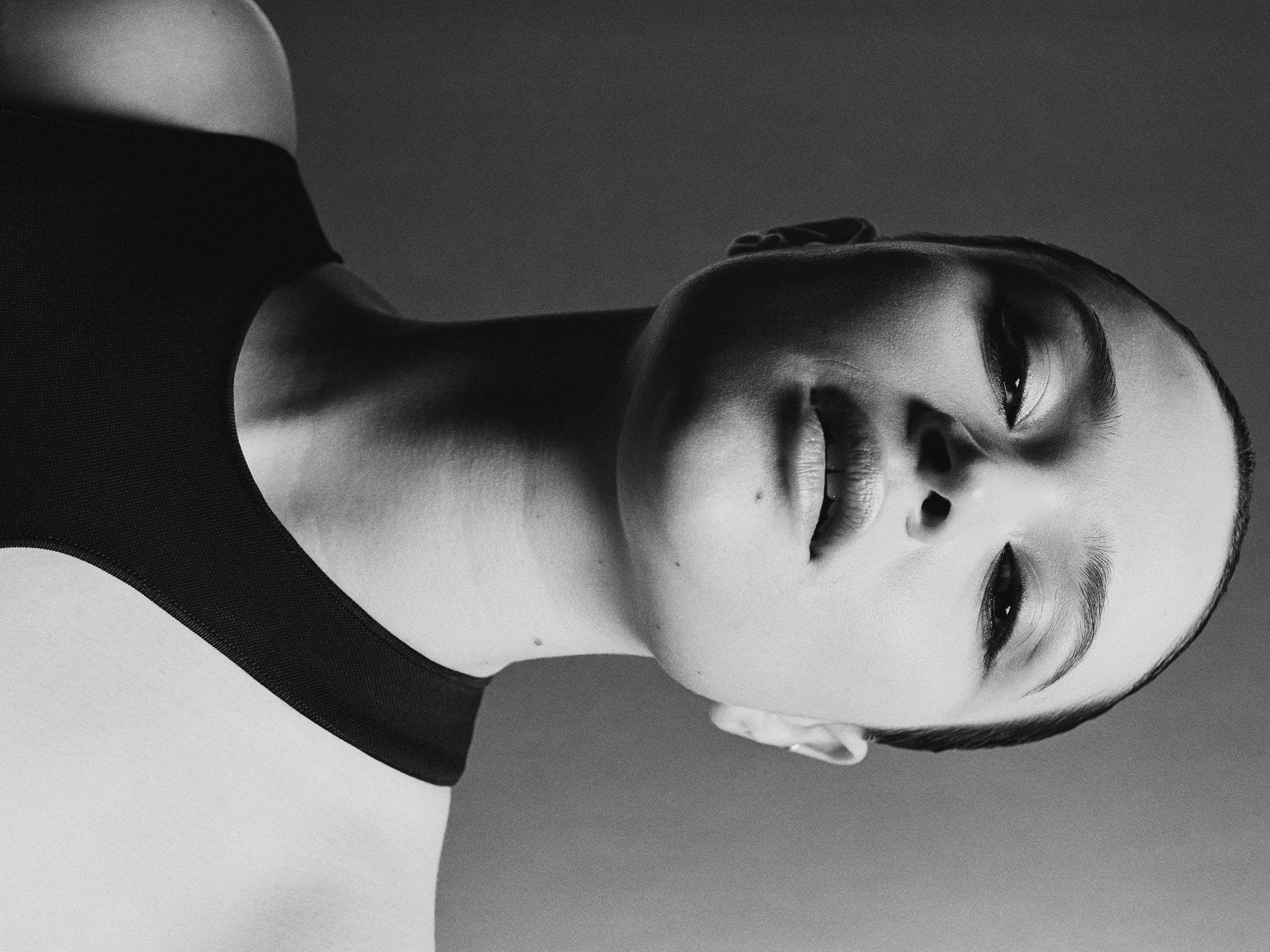
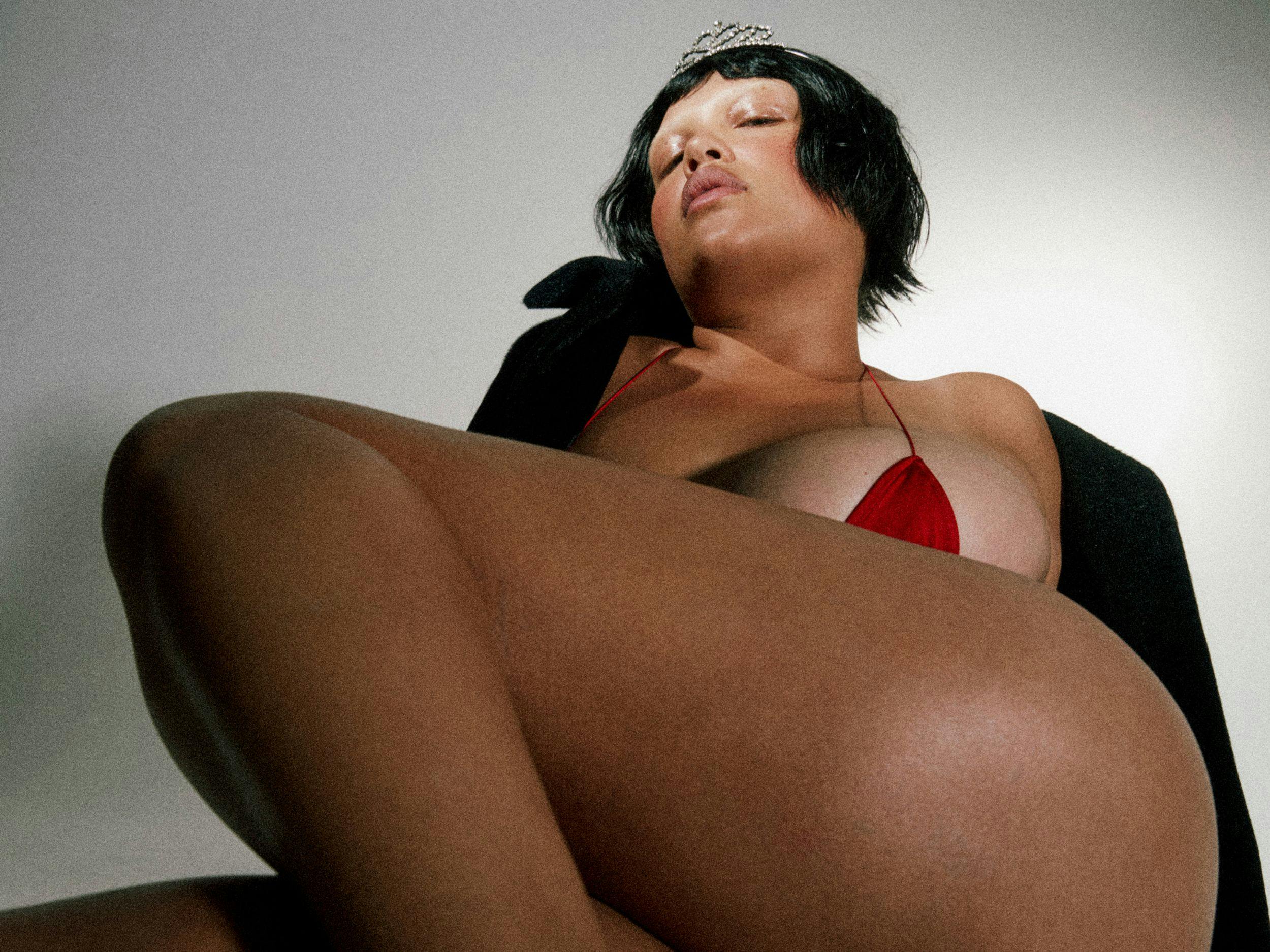

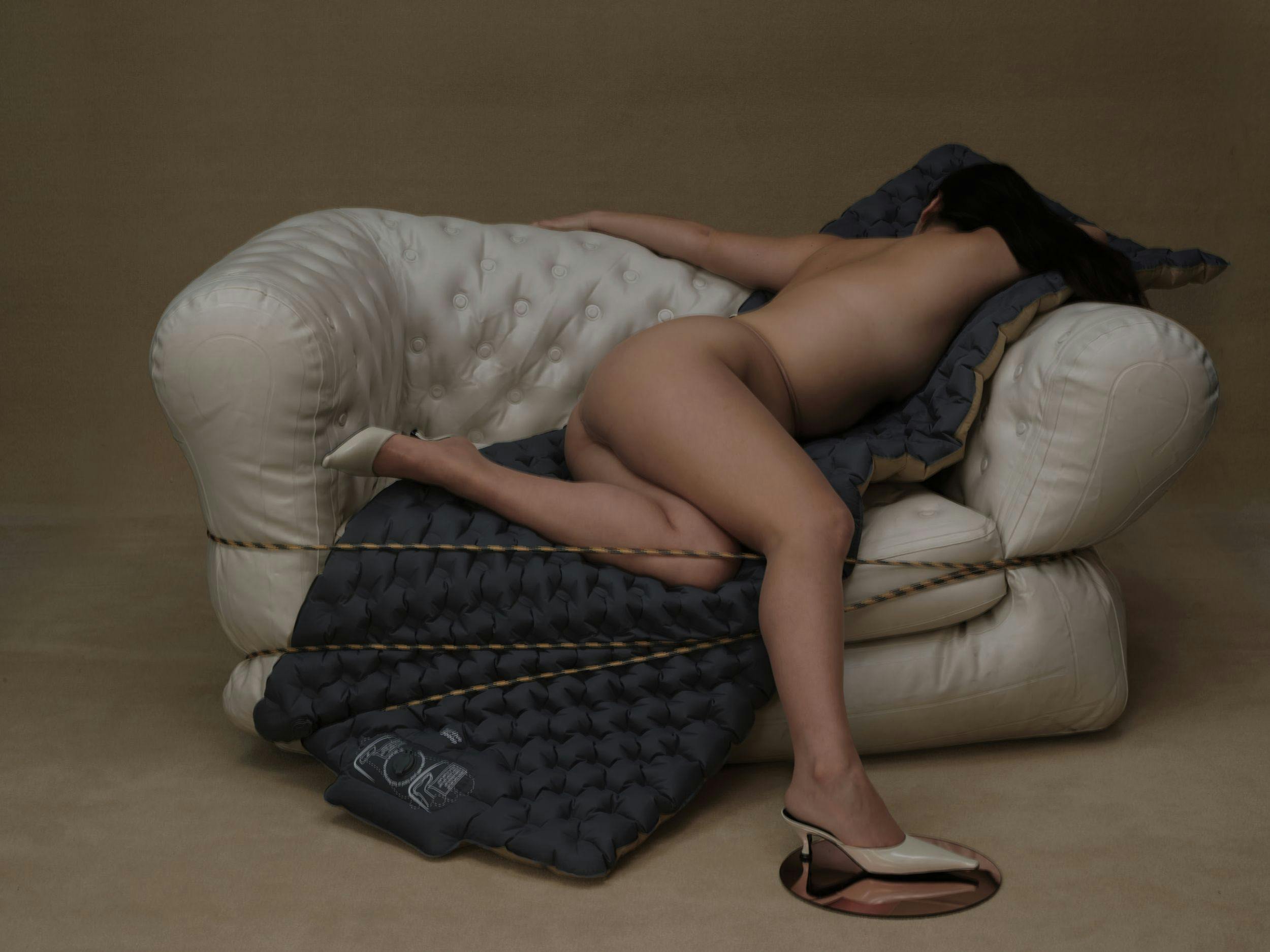
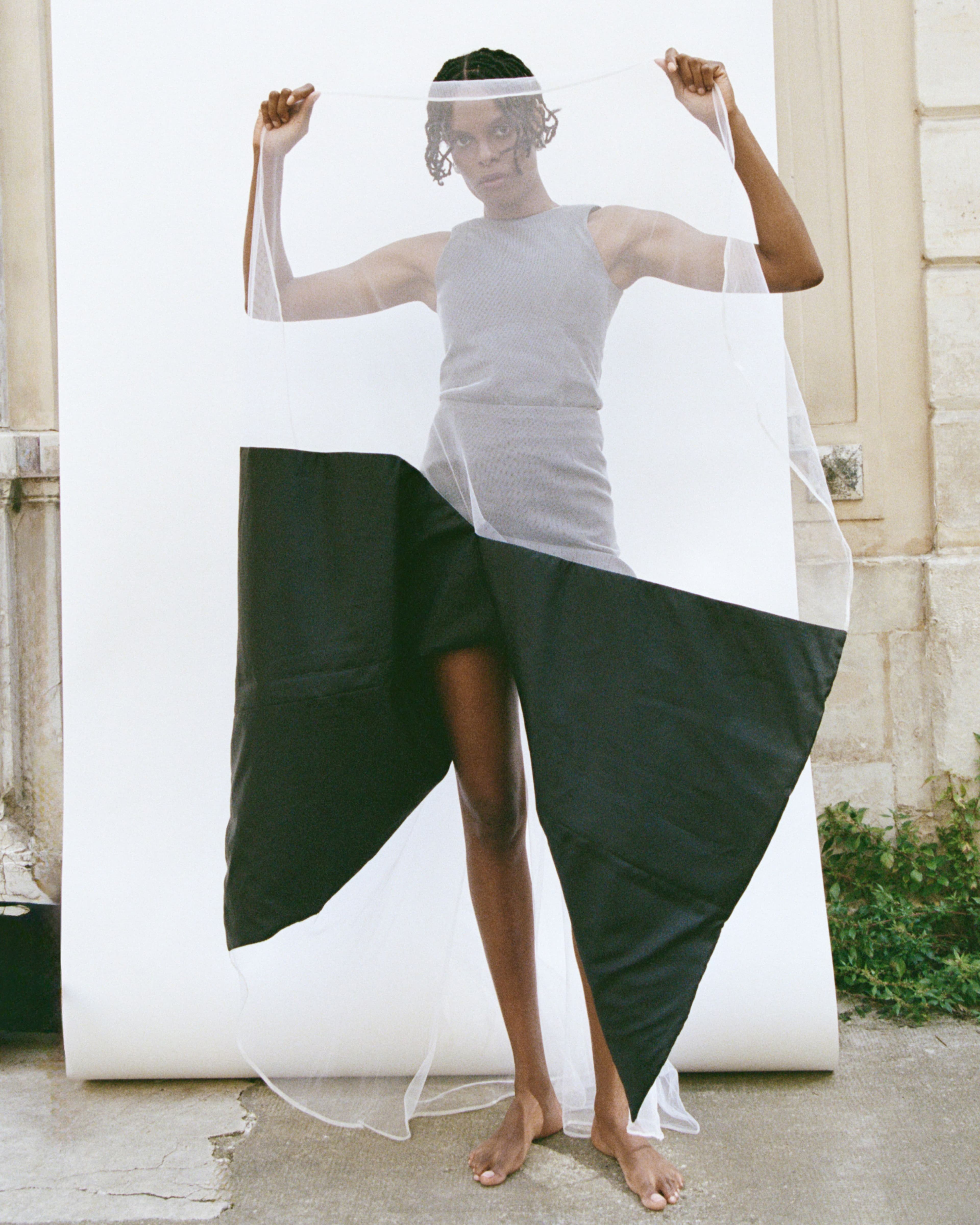
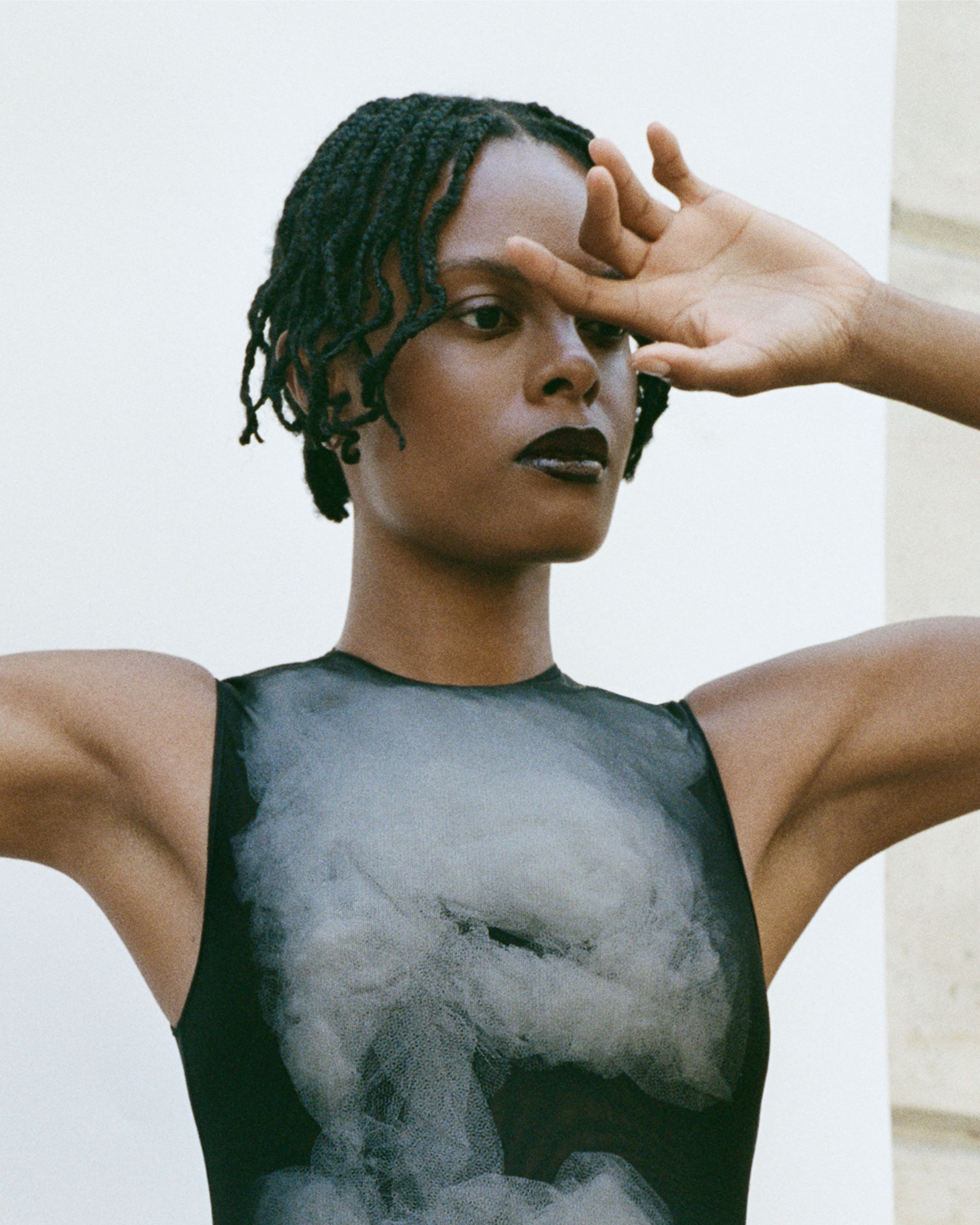
All CLOTHING throughout by Torishéju
The 2025 LVMH Prize: Torishéju
There are times when one moment can shift the trajectory of a brand. From the outside, this was the Spring 2024 show for designer Torishéju Dumi. The British-Nigerian-Brazilian Londoner presented her debut show in Paris to electrifying results. Gabriella Karefa-Johnson styled. Naomi Campbell opened the show in all-black cargo trousers, a horned blazer with inverted shoulders, a shirt buttoned only at the first button, and Doc Martens. Paloma Elsesser closed in a midriff-baring top, its fabric wrapped in goddess-esque, body-shaping weaves, a deconstructed skirt incorporating hand ties completing the look. The garments brought together the easeful wrapping of Nigerian lappa gowns, the classic marks of British tailoring and rebellion, and an elegant off-kilter essence that felt both ritualistic (Dumi’s Catholic faith is a key influence) and touched by the uncanny (David Lynch is too). The show was put on with minimal resources, with Dumi sewing half the collection and a seamstress working to put together the other half right up until the models walked. Dover Street Market’s Adrian Joffe saw the line and put in an order. Then an explosion of press coverage and views brought in visibility. She made a name for herself as a new voice in esoteric deconstruction tied together by an inner world that takes on a magical and deeply spiritual quality.
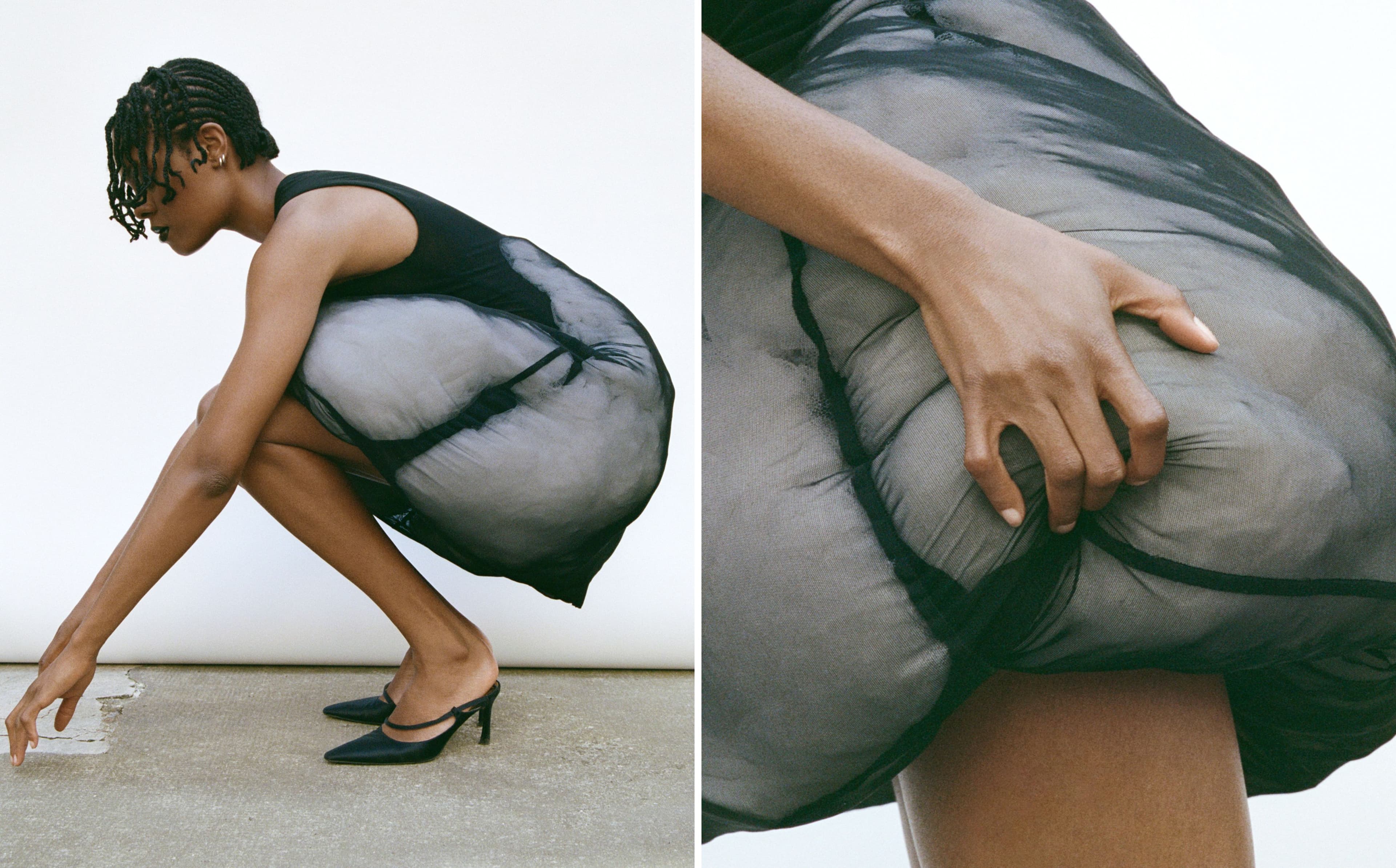
If you talk to Dumi, this is just the beginning. “One thing I’ve learned is that everything takes time,” says Dumi. “Building a brand isn’t something that happens overnight.”
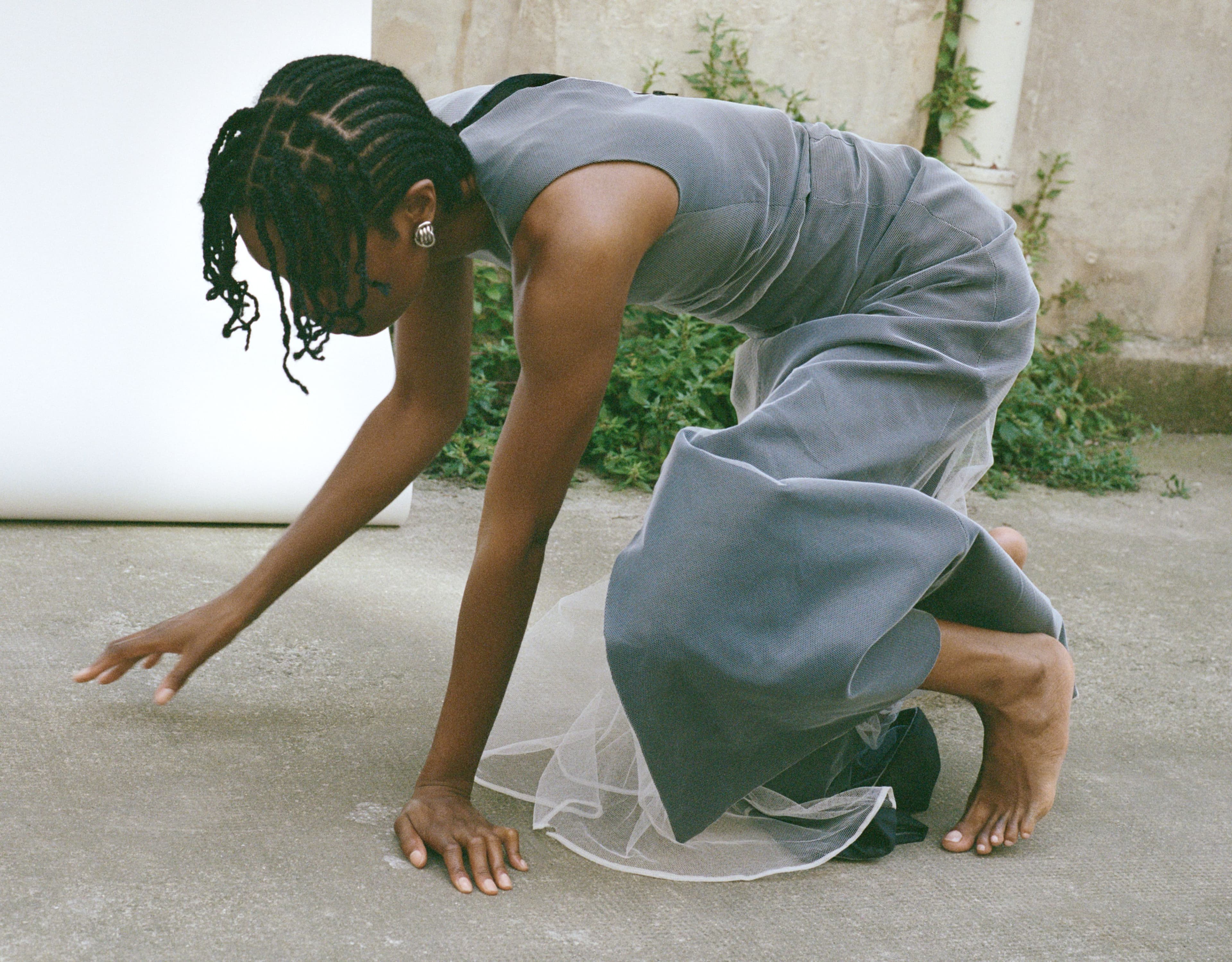
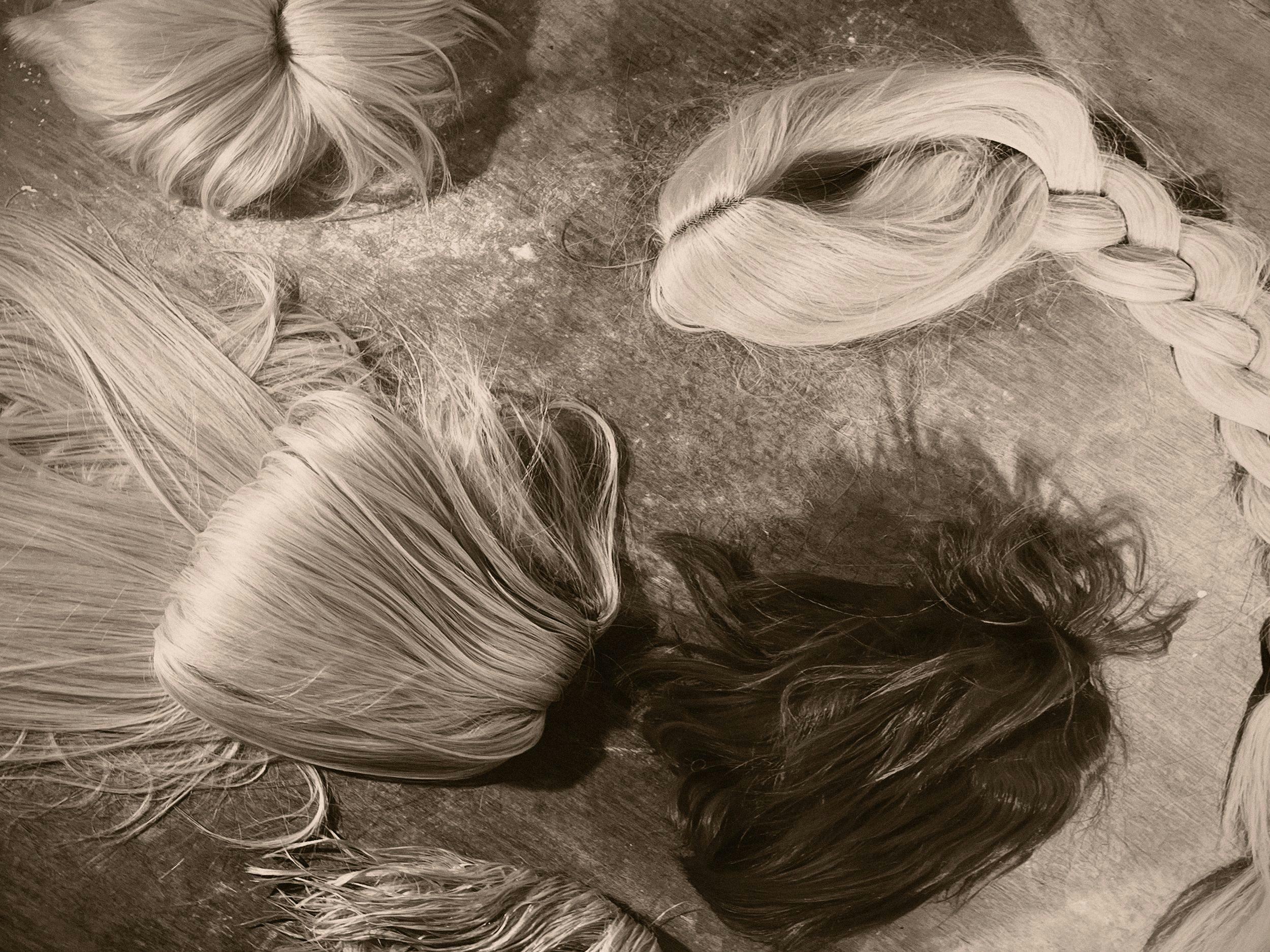
The Hackney-based, Hertfordshire and Buckinghamshire-raised designer launched her ready-to-wear line straight out of Central Saint Martins lauded master’s program and with a menswear degree from the London College of Fashion. She hit the ground running. Her first capsule collection, February 2023’s Mama Wati, drew inspiration from the mythical African spirit. “I vividly remember the peruke crowns,” she shares. “That was a real turning point for me; creating something from nothing felt sort of like a revelation. The process was all about making it believable and authentic, which is why when the Met Museum’s Costume Institute acquired eight pieces from this collection, it truly took my breath away. The crowns were crafted from deadstock jersey strips, and that entire experience was incredibly fulfilling. It wasn’t just about the craftsmanship, it was about bringing an idea to life in such a pure, untainted form.”
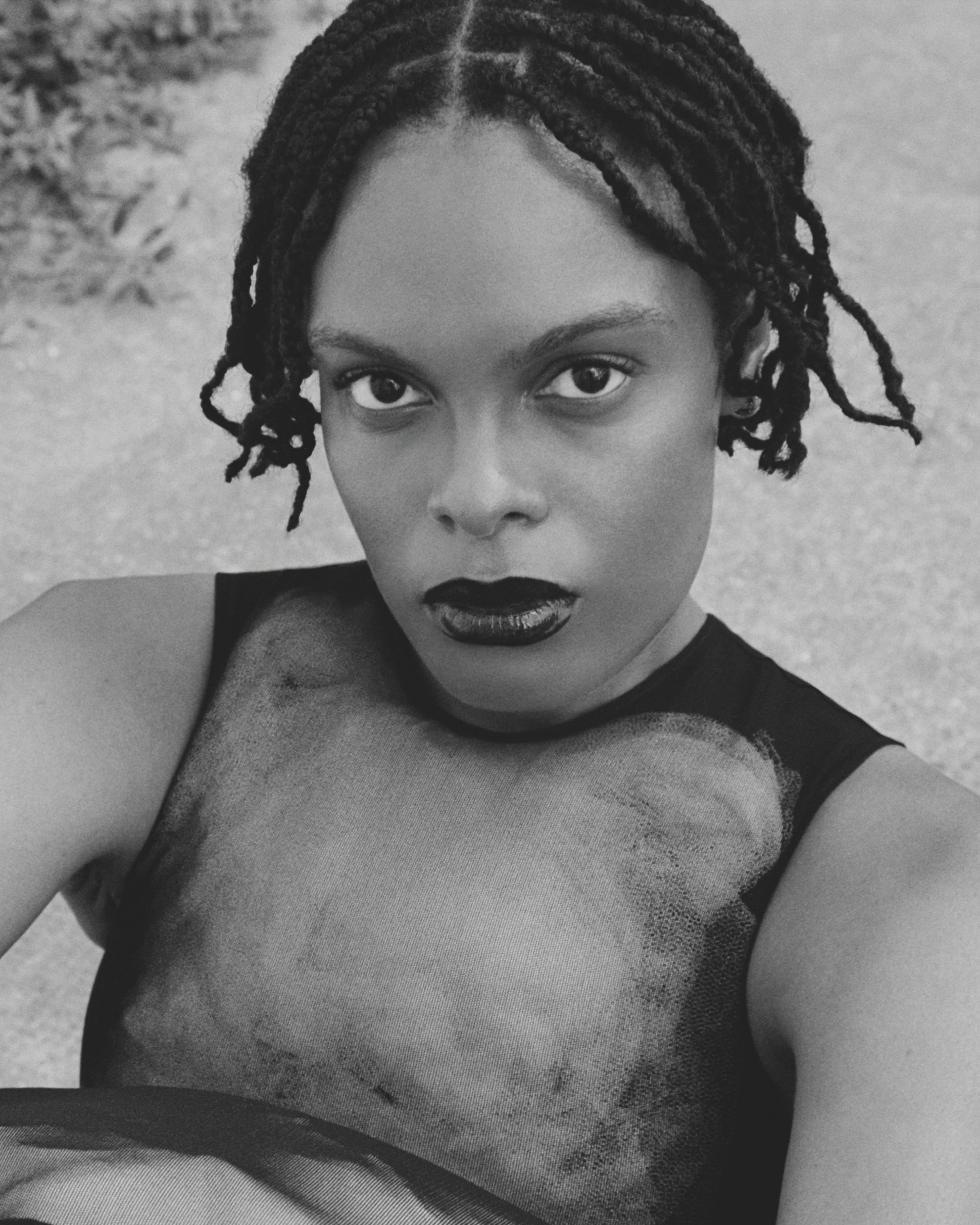
Dumi’s Spring 2024 offering, Fire on the Mountain, came next. As in the case of Mama Wati, Dumi created a world for her garments—exquisitely strange and structurally innovative—to live in. “It’s about creating an entire universe first, before anything else,” she muses. “The materials, silhouettes, and structures come into play later, but the vision always starts with the environment I’m trying to create.”
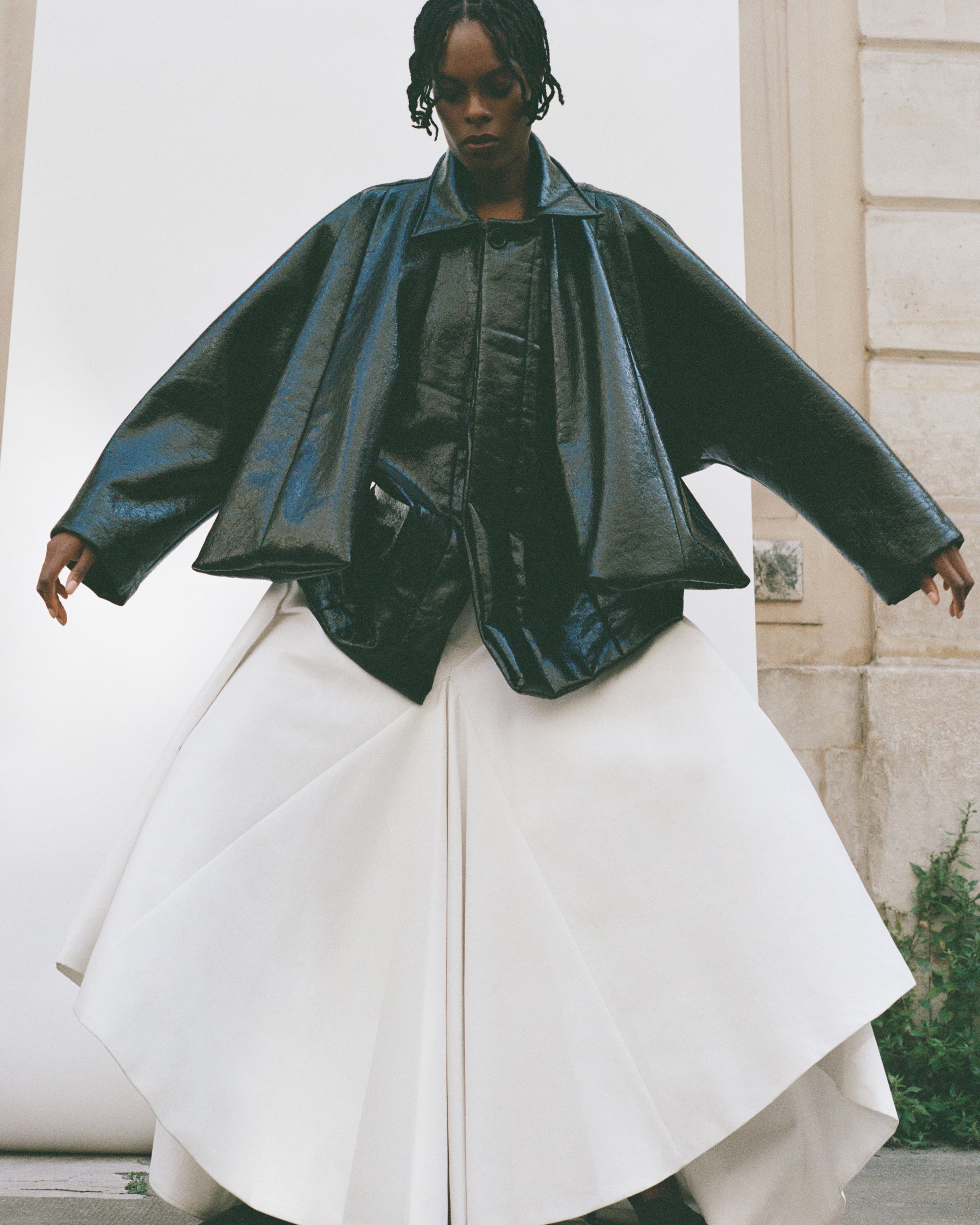
Elements of her Nigerian heritage were interwoven (see: circular perforations and disc-shaped cuts inspired by Itsekiri tribe wraparound shirts). The collection was named for a folk song her mother sang to her as a child. Everything was crafted and styled to look like it was thrown on at the last minute before running out the door. A cohesive refinement tied each piece together.
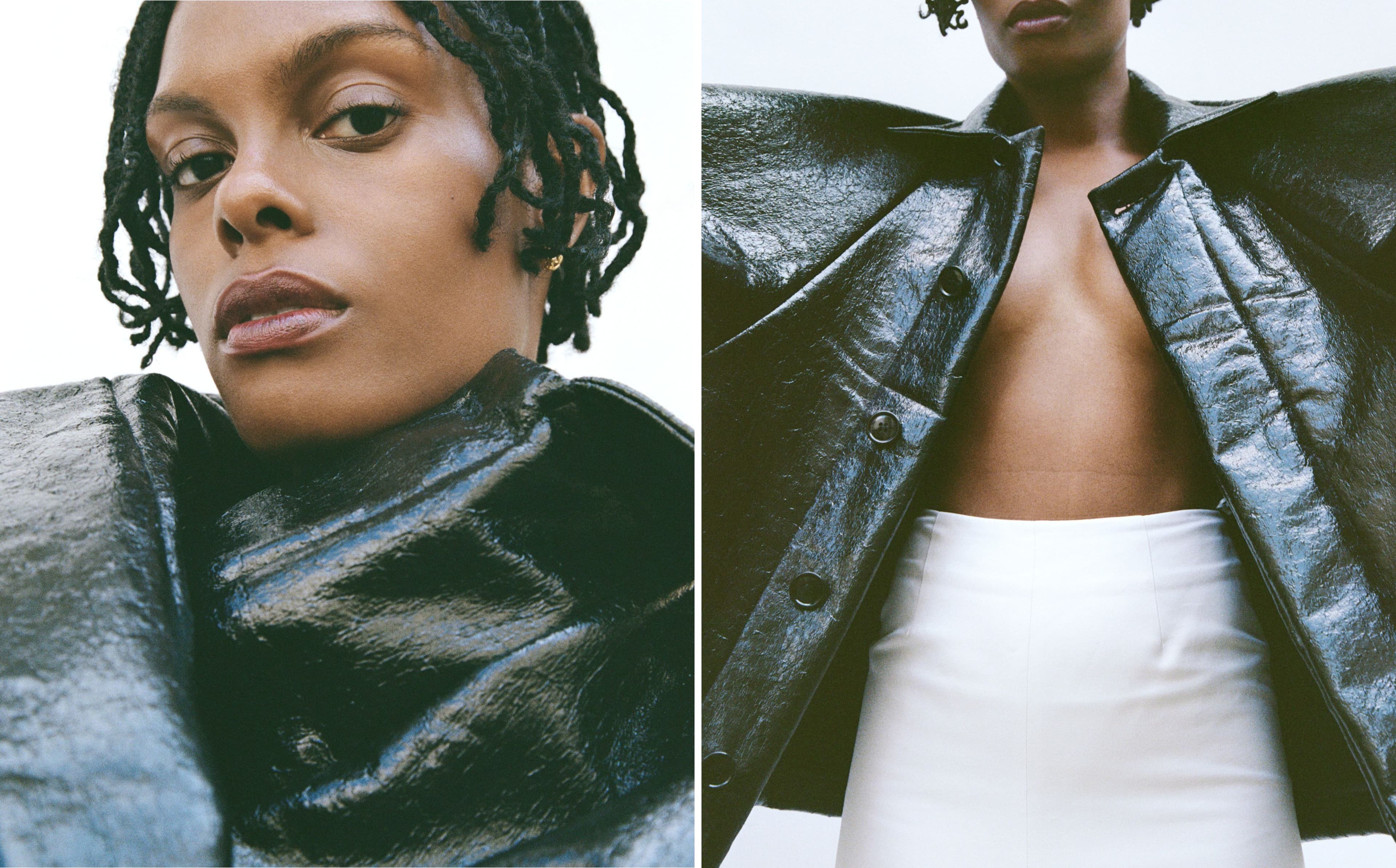
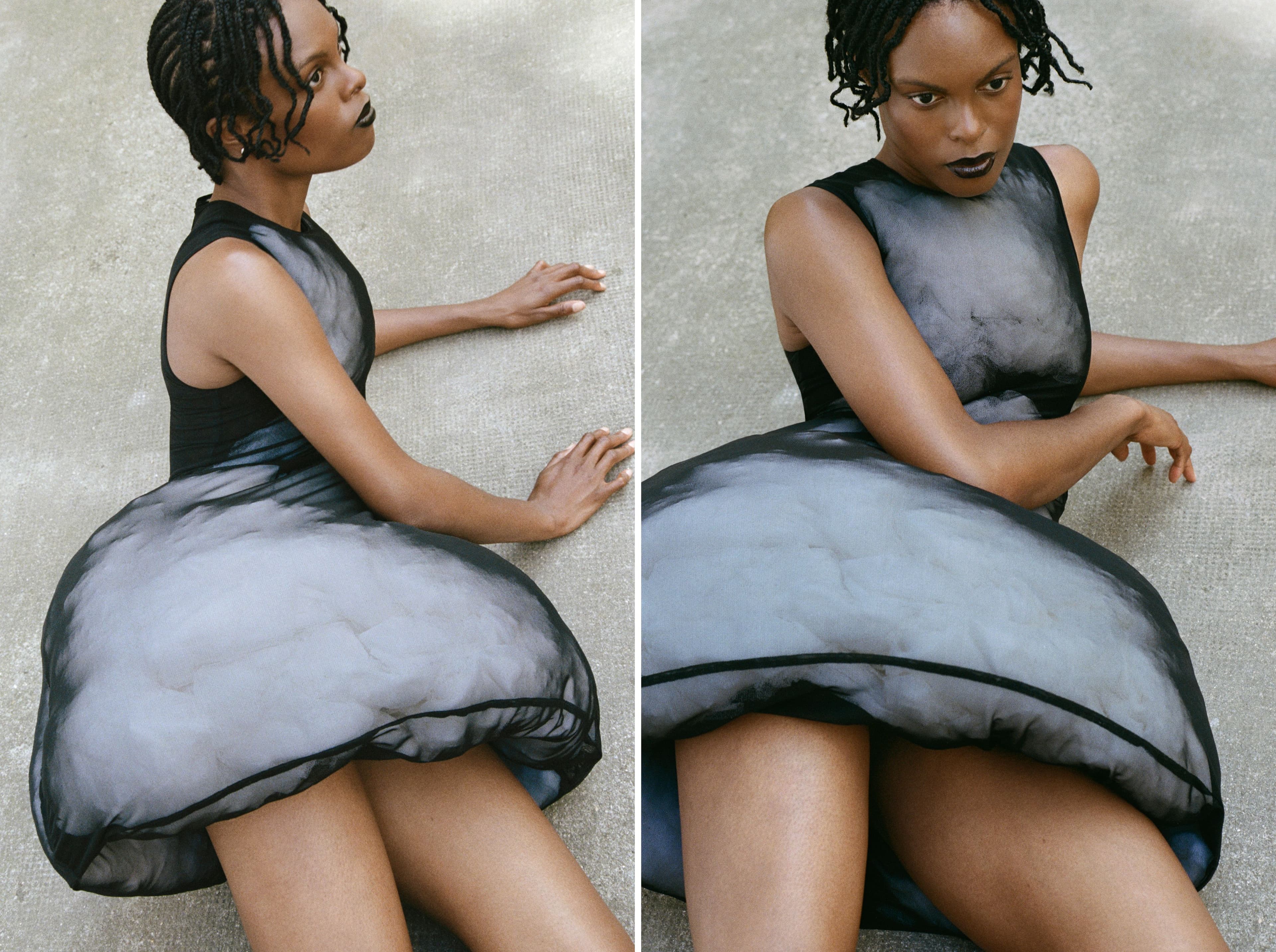
One recent collection, for Spring 2025, imagined the wearer exiting a shipwreck, surviving in turbulent times, and walking out of the chaos. The looks are mystical and romantic, with punk plaids, delicate lace petticoats, and puffed mesh miniskirts alluding to medieval shipwreck æsthetics. (Helena Bonham Carter is a muse; doesn’t that fit?)
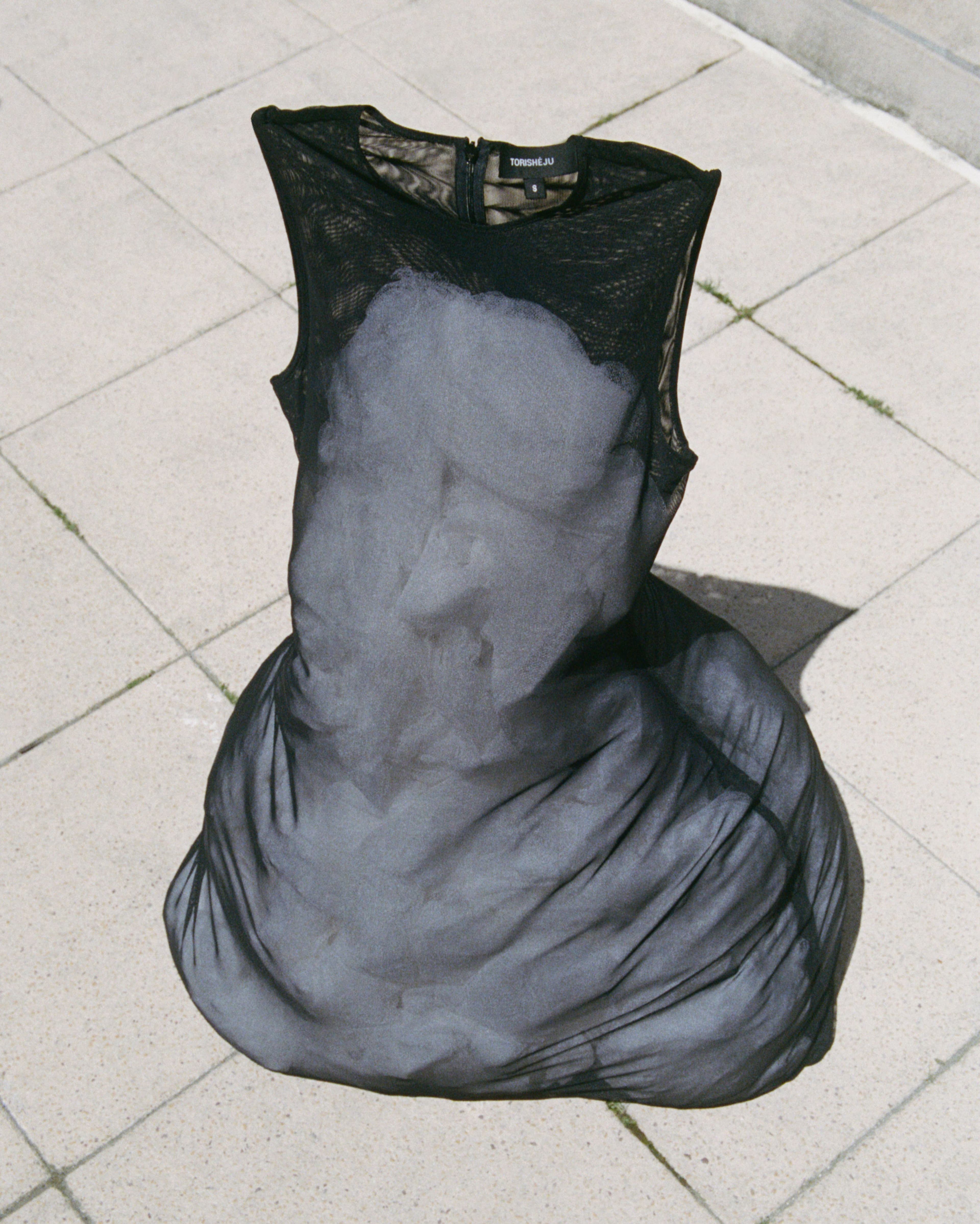
Dumi explains that her approach has been greatly shaped by her family and cultural heritage, as well as a love of structure and material. “I think my æsthetic is driven by an obsession with shape, form, and texture,” she says. “It’s also heavily influenced by my Nigerian-Brazilian, Catholic upbringing. Themes like religion, tradition, and spirituality play a major role in my work, and I think those deeply personal aspects make my designs unique.”
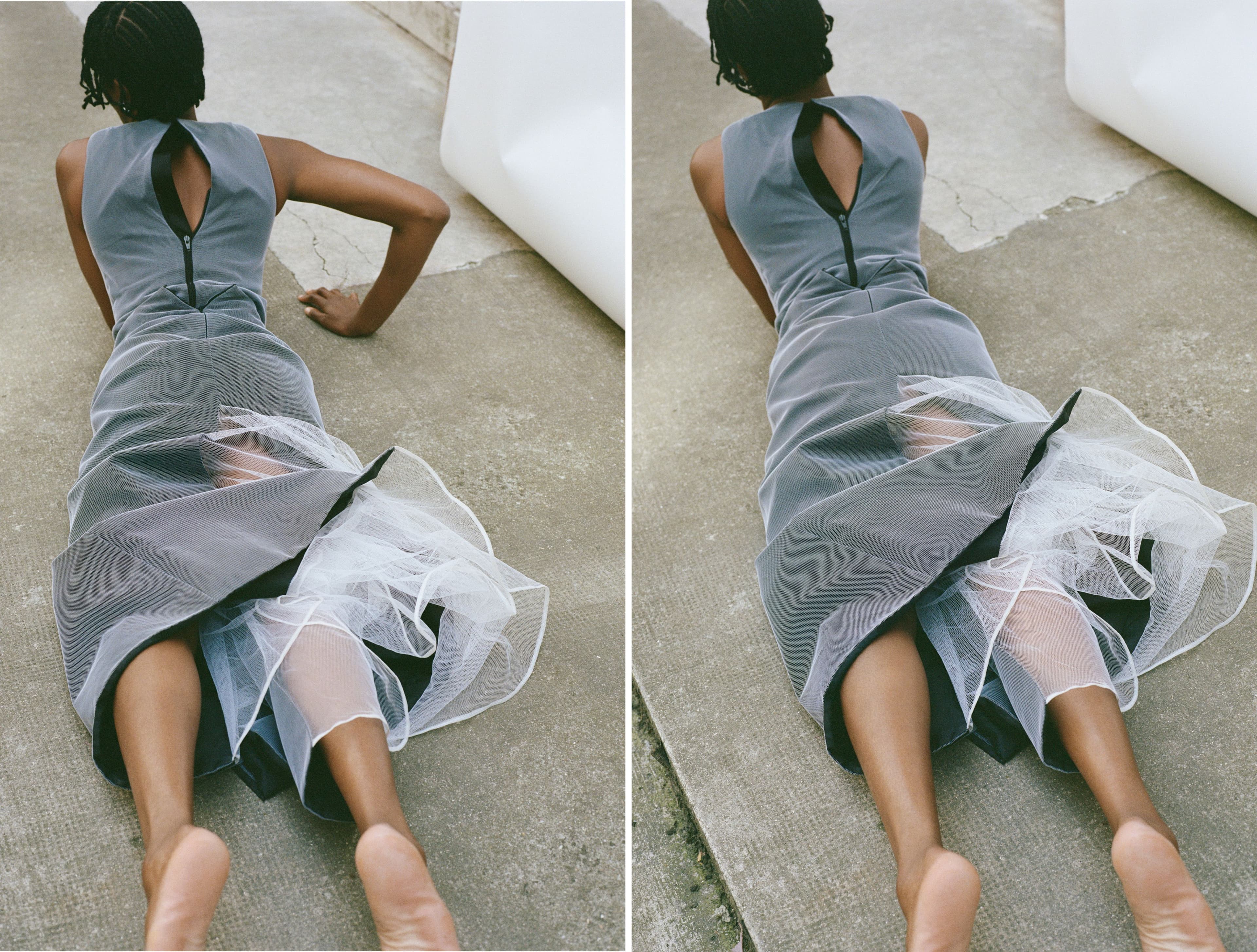
A childhood spent immersed in film and cinematography with her whole family was a key influence. “It’s this idea of having a vision and bringing it to life in a unique way that I find truly beautiful,” she muses.
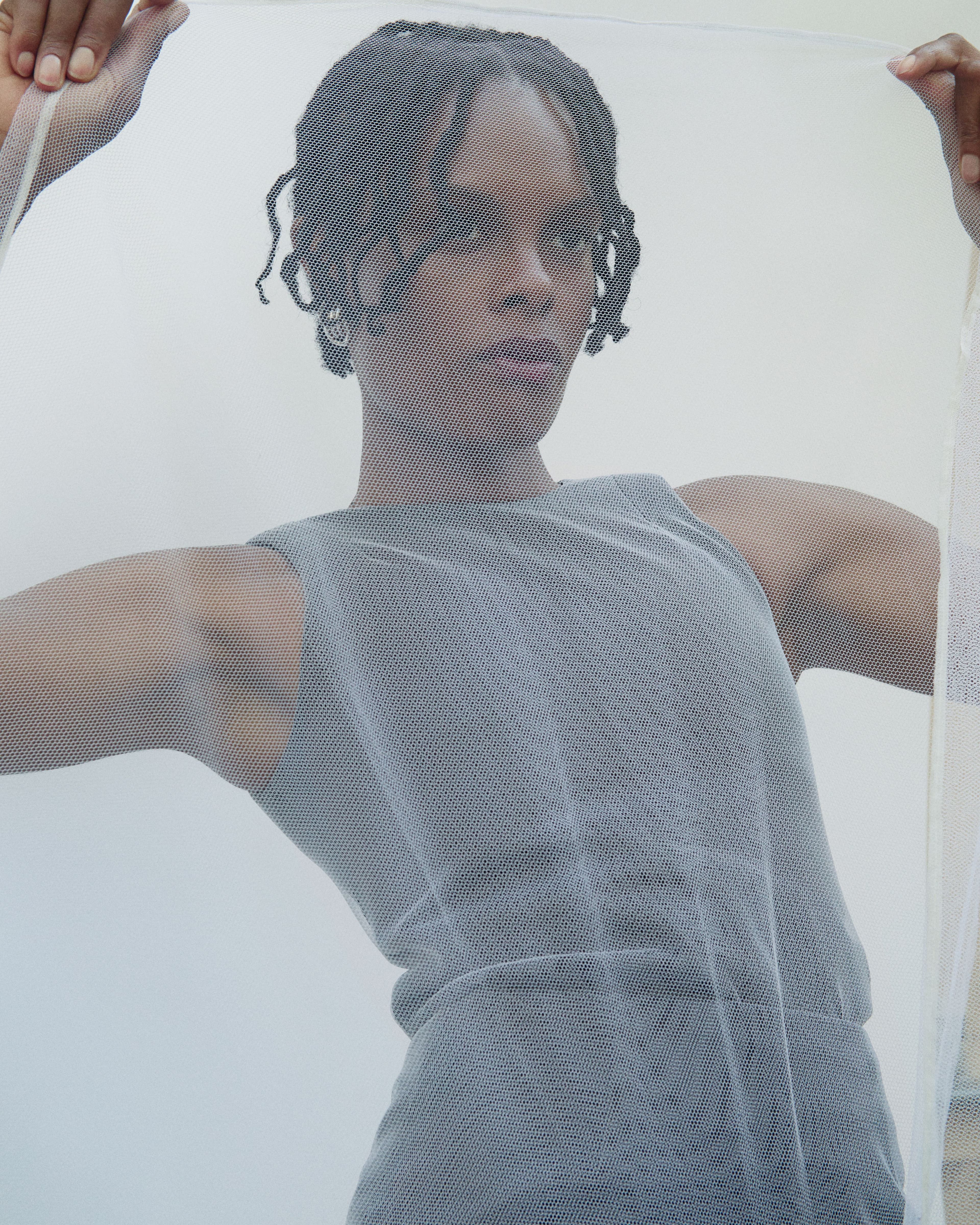
Having shown her Spring 2026 collection weeks after picking up the Savoir-Faire Prize at last year’s LVMH Prize, she’s really just getting started. “I’m really embracing the process right now, and even though it’s a long road ahead, I’m enjoying every step of it,” says Dumi.
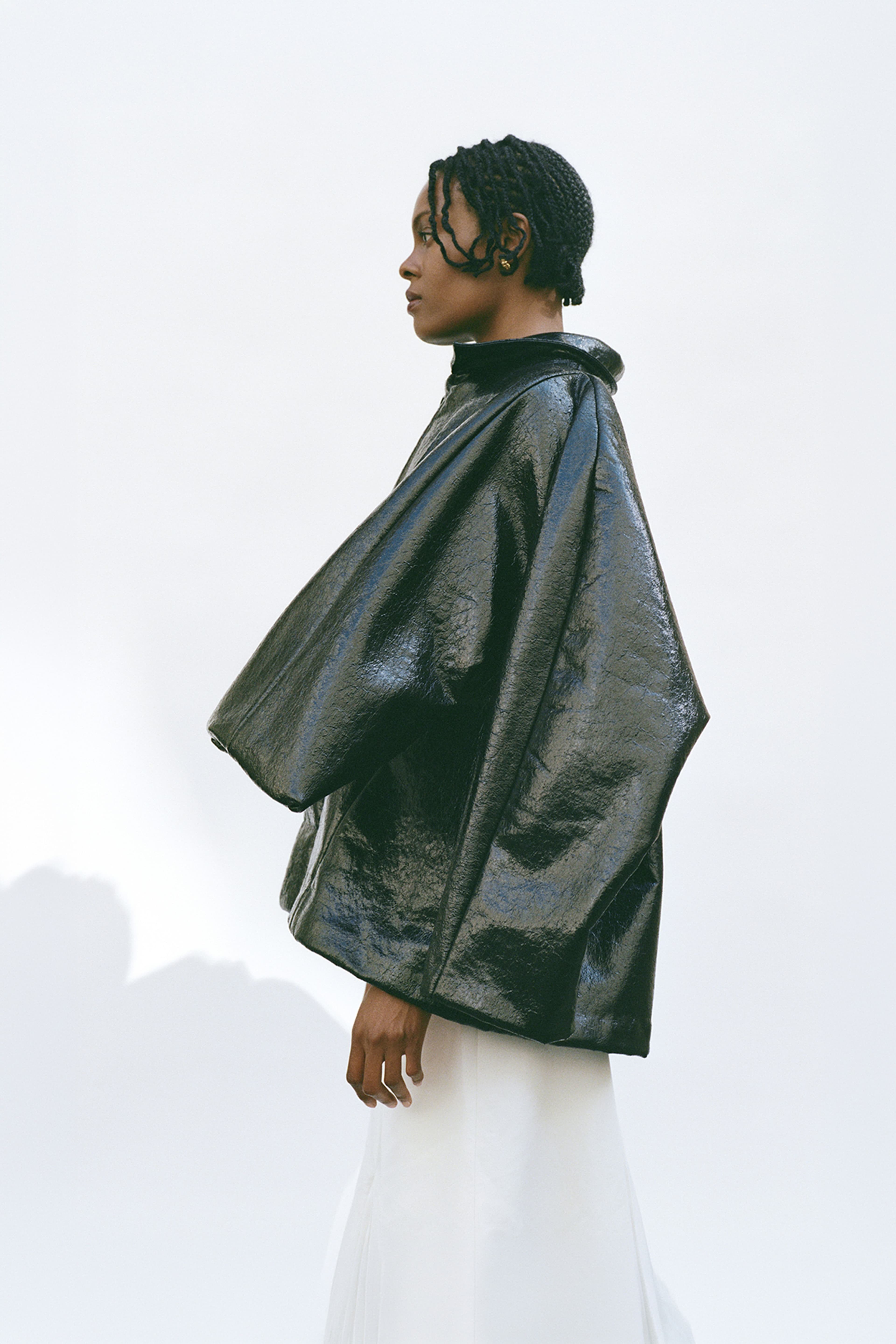
She admits she’s still figuring out where she wants her brand to go. That said, “one thing I know for sure is that I want to challenge the preconceived notions about who can design and how they should design,” says Dumi. “Your race, gender, or background should never define the boundaries of your creativity.”
Read this story and many more in print by ordering our tenth issue here.
As a nonprofit arts and culture publication dedicated to educating, inspiring, and uplifting creatives, Cero Magazine depends on your donations to create stories like these. Please support our work here.