
JACKET by Ferrari Style
Joshua Henry Must Be Heard
“Anytime I hear a song, whether it’s Sondheim, Gershwin, or Noble Sissle, I always think about it in R&B or something soulful first—stripped down,” the actor Joshua Henry says, pointing at the guitar that has helped acquaint every ounce of his being with the work of musical titans. “I got to sing it on my guitar first—in my R&B way, to be honest—to get it in my body first.”
Looking at the list of composers whose work Henry has sung since his New York debut, in the off-Broadway ensemble of In the Heights back in 2007, is a lesson in American popular music: Lin-Manuel Miranda, Kander & Ebb, Jeanine Tesori, Charlie Smalls, Rodgers & Hammerstein, and Sara Bareilles. Now it’s Ahrens & Flaherty’s Ragtime, which last week won the veteran his first Tony Award, and when we speak, he’s sitting in his Lincoln Center dressing room a few hours before a performance of its genre-spanning score, which traces the course of three intertwined families through a pivotal moment in American history at the turn of the last century.
Before he can give it “more sound, more amplification”—and those who’ve heard Henry’s booming baritone, or felt the ice in their souvenir cups shake whenever he attacks a final note, can attest to that power—the performer has to bring it back to his roots. Born in Winnipeg and raised in Miami, he grew up listening to Stevie Wonder and singing Kirk Franklin in church; it’s why he calls Hamilton’s soulful, R&B-tinged Aaron Burr his favorite role. Singing something like Ragtime, “that booming sort of classical sound, it’s a whole other voice,” he says. “You almost put it on like a helmet.”
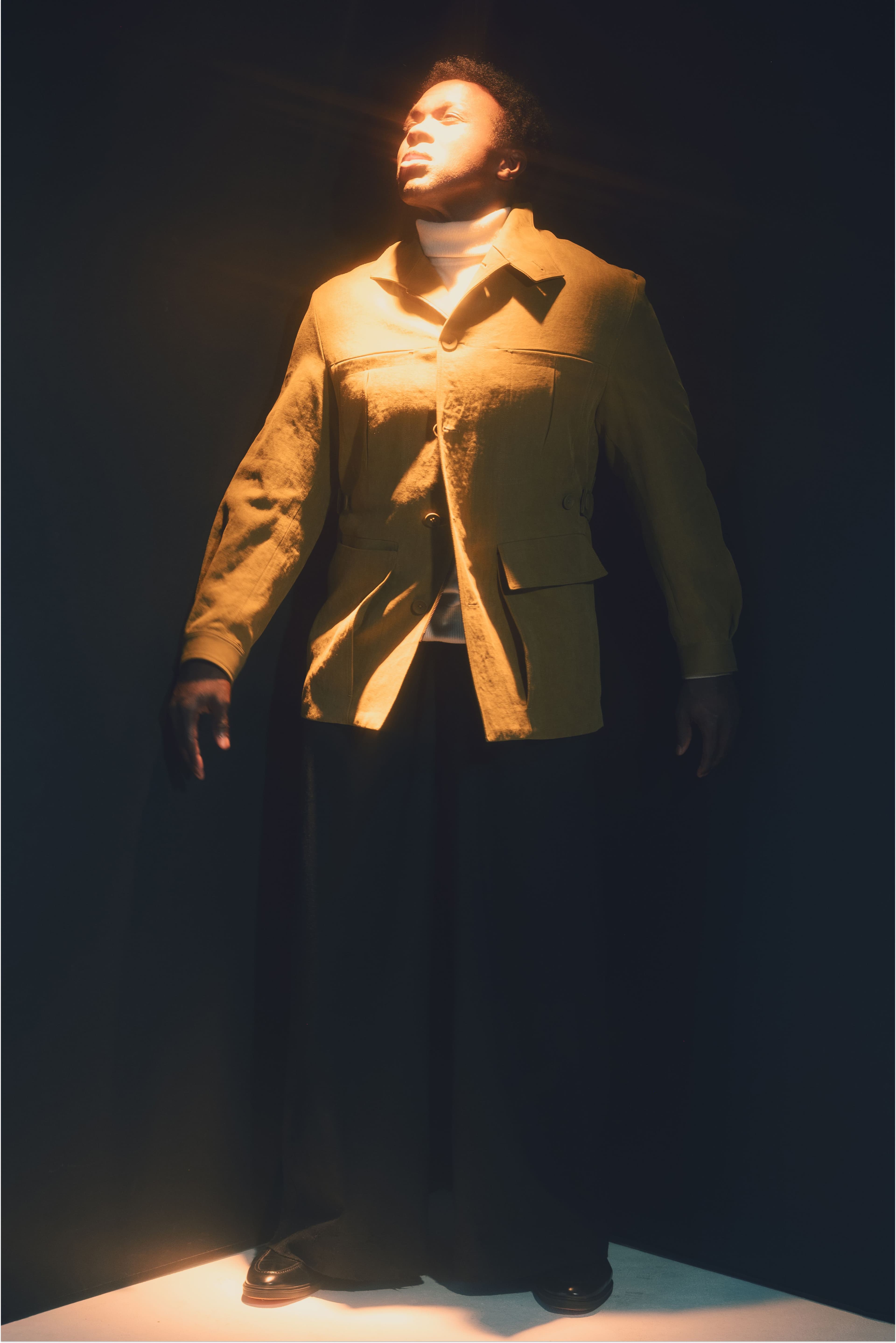
JACKET by Zegna; SWEATER by Ferrari Style; PANTS by Lu’u Dan; SHOES by Santoni
Sound is, appropriately, top of mind for Henry, whose preparation for Ragtime’s pre-Broadway concert staging in 2024 began with exercising the legit side of his voice. “Music is such a big part of [my character] Coalhouse,” he explains. “He’s a pianist from Harlem, a commanding presence. He is a leader in his community, and I knew leaning into that first was going to open up all the other dramatic doors that unlock the character.” A new father coming to terms with his child’s uncertain future, Coalhouse echoes the character of Billy Bigelow in Carousel, which netted Henry his second Tony nomination in 2018, and whose path mirrored Henry’s own at the time.
“In terms of the sweat it took to get there, Carousel was probably the hardest show I’ve done,” he recalls. “The range of emotion was massive, the sound was massive, and I was having my first child at the time. When my son was born, the couple of shows after that, I kind of just blacked out. I don’t remember what happened. That was the first time I’d sung that big in such a long run on Broadway. I learned how to take care of myself, technically, on seven hours of sleep—or sometimes four when your kid is waking you up at two in the morning.”
Now a father of three, it’s only appropriate to mention Henry’s third parental role, in the little-known musical, The Tap Dance Kid, which received a brief revival run at New York City Center in 2022. The show is mostly fluff, a family entertainment about a ten-year-old more drawn to choreo than to his father’s law career. And then, right before the finale, comes “William’s Song,” a terrifying explosion of thwarted optimism by a Black man who sees his son’s desire to entertain as not just a fool’s errand but as further subjugation to the white establishment. As it crescendoes in intensity, Henry’s William affected more and more stereotypes, eyes bugging with a forced smile as he bucks-and-wings his way through pained lyrics. (“Dancing the old moves they ain’t forgotten / It comes back like picking cotton.”) For just seven shows, Henry gave what the New York Times called, “an astonishing performance, in the best way hard to watch.”
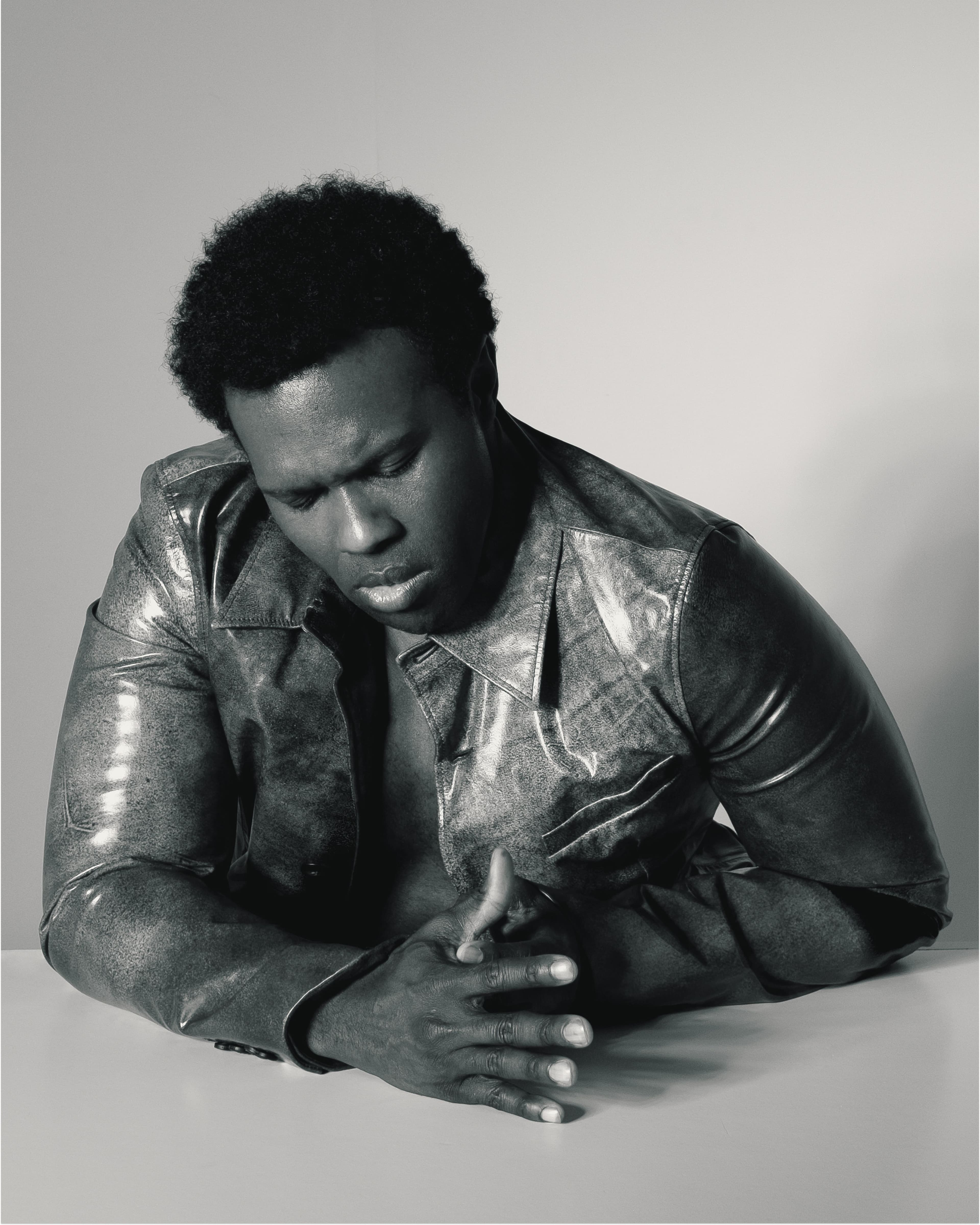
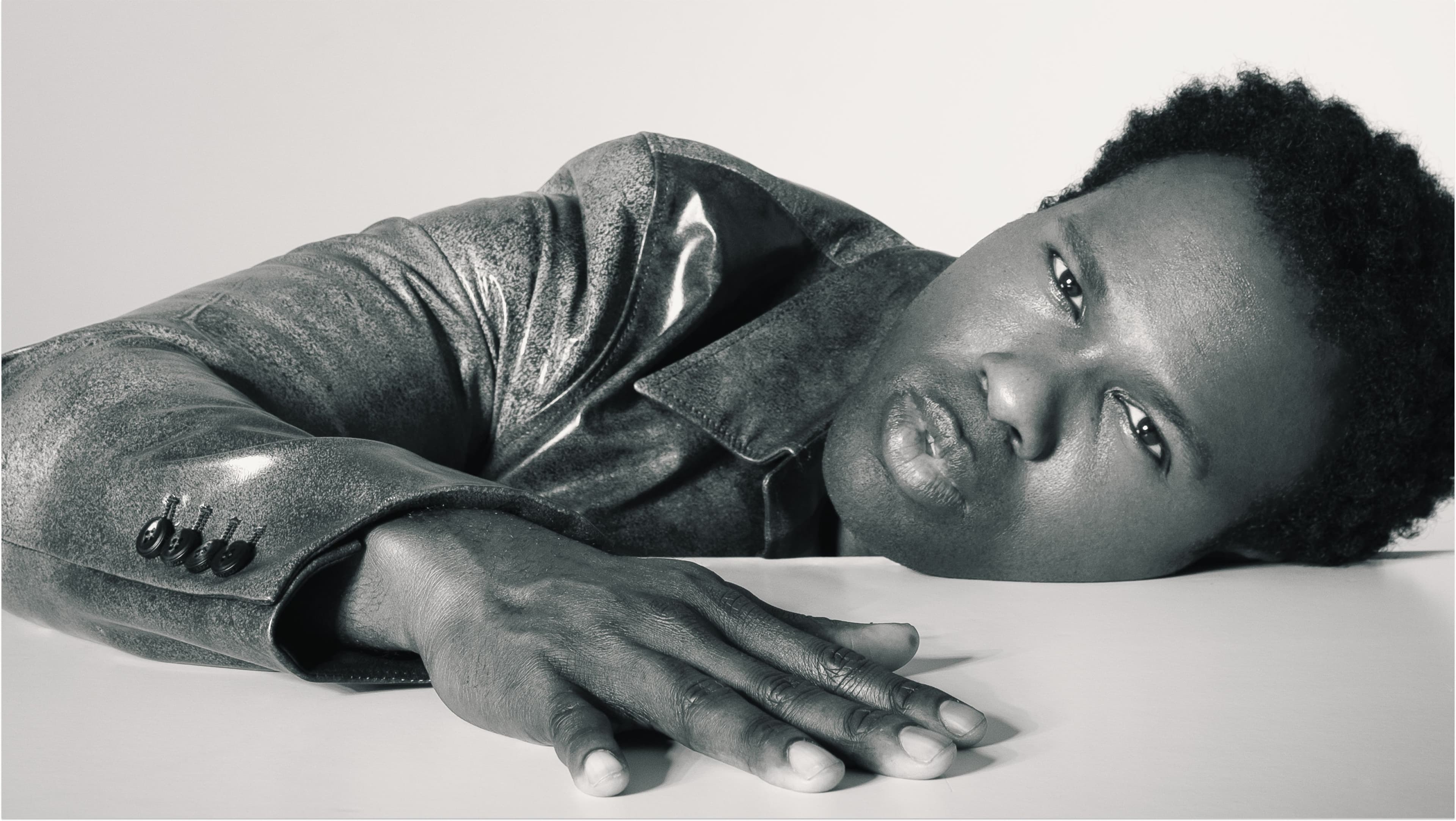
JACKET by Ferrari Style
“It’s so much of the Black American experience and how we perceive ourselves in terms of our art and our advancement in society,” Henry says of the role. “Should we fashion ourselves from a white gaze or through our gaze, and what is too much? I mean, this guy’s basically telling his kids this is how you move in America; ‘don’t do the arts,’ essentially.”
Though he wasn’t familiar with the 1983 musical before receiving the offer some two months before taking the stage, Henry spent much of that time fine-tuning its intensity with director Kenny Leon. “It was scary, I’ll tell you that much,” he says. “I was ready to do it, but it was an intimidating thing to approach each night. Afterwards, I felt wrenched. You know when you struggle with a question, and you struggle with it and you struggle with it, and then you just have to slowly back away from it, having not gotten the answer? That’s kind of how I felt. But sometimes it’s just asking the question that gives you a little more sense of peace.”
Henry continues: “I think I let go of something when I was doing that, even for those five days. It’s kind of something that I’m still currently unpacking and struggle with. Like, I’m an artist, and I help people through their feelings with sound and song, but should I be using my talents to do something more important? Right now I’m convinced that this is what I’m supposed to do, so I’m happy with that.”
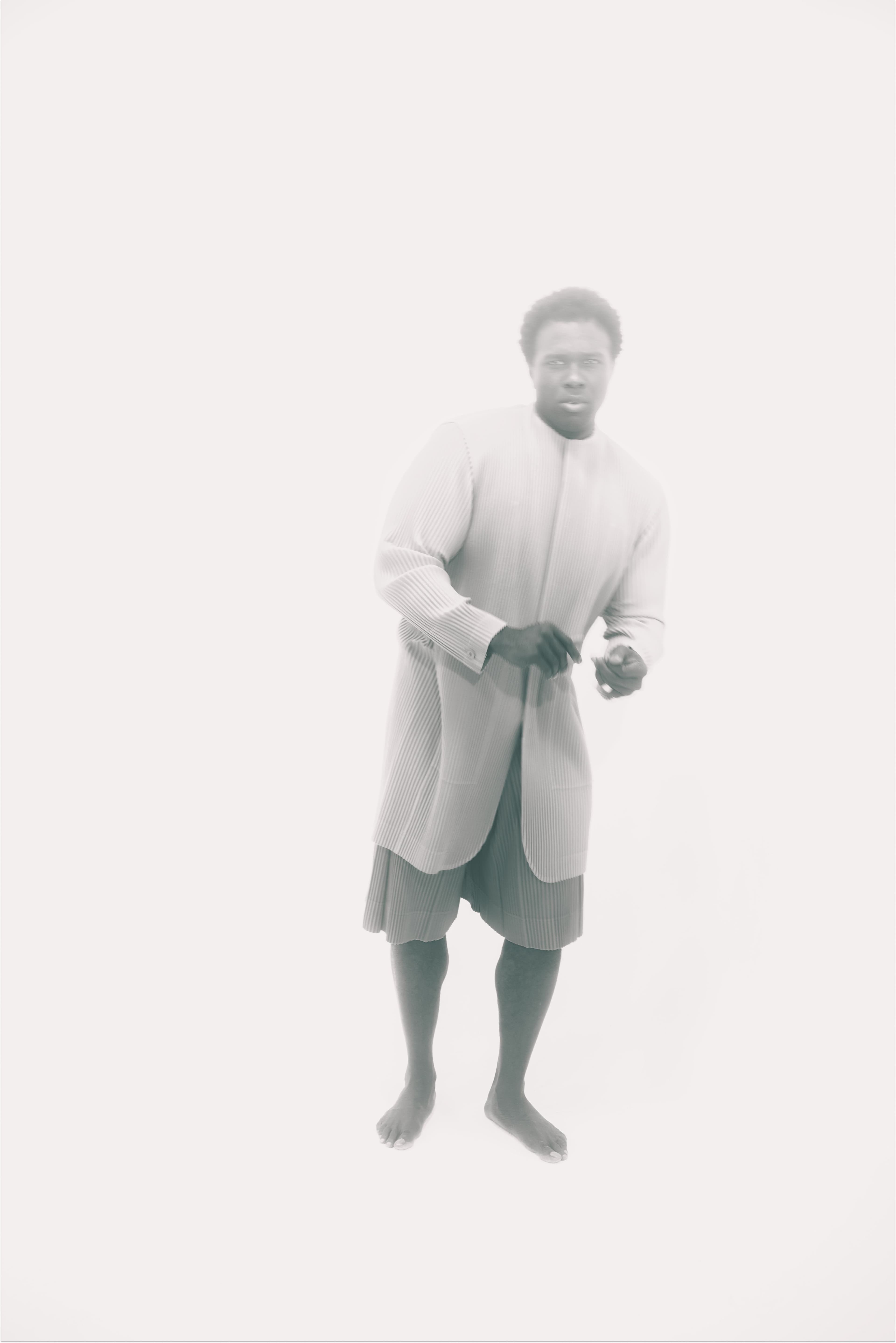
All CLOTHING by Issey Miyake
Purpose is a guiding principle for Henry, who made his professional stage debut in a 2006 production of Godspell at the Paper Mill Playhouse. “I came up with people who you want to call old school, who’ve got to have a broken leg for them to not be on that stage,” he says, evoking older talents like Michael McElroy, Chuck Cooper, and Rema Webb. “They were going to do everything and anything they could to perform, and were willing to put that work in for a long time.” Today, across audition rooms and on TikTok, where Henry observes young artists discuss their experiences entering the industry, he notes “a mean-girl attitude” that contrasts with the devoted community where he came up, “respecting artists who did this sacred hard work.”
“I think the Internet has emboldened people to tear down other artists, and I’m working hard to try to change that culture,” he says. “Theater’s still a close-knit thing, and there’s some really compassionate people, but if you want to be on Broadway or you want to use your art to serve, you’ve got to uplift.”
It’s something he learned from McElroy, who, in 1994, founded the service organization Broadway Inspirational Voices as a response to the AIDS crisis’ impact on the community. When McElroy cast a sophomore Henry in a University of Miami production of Violet, in a role he’d originated when the show premiered, Henry found himself a mentor. “He taught me how to be a leading man,” Henry says. “Musically, he’s so exacting: ’You can’t skimp on anything, you can’t just go for the high note. What about all this stuff in between?’” That includes a sense of direction offstage: “We can’t be in a place where it’s just, ‘I want to shine, I want to be on Broadway.’ What for? If you just want to shine, you’ll burn out in two seconds. You got to have a purpose behind it, an idea of service. Why is it important for you to be on Broadway? I want people to have that feeling of being shaken to their core. That’s how I feel about what I do, and I work tirelessly on a G, or on an emotion, to usher that feeling in.”
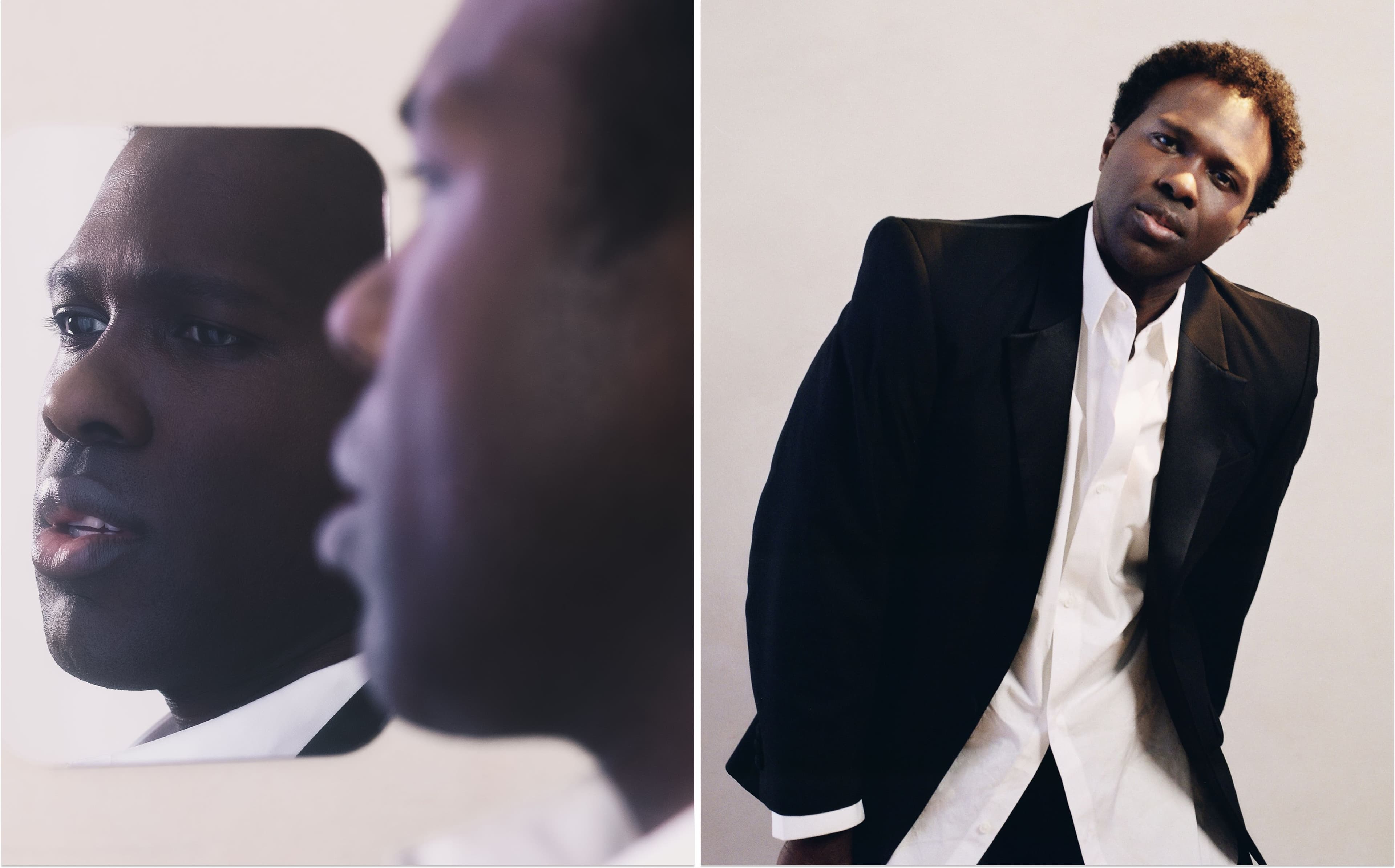
All CLOTHING by Public Serv-ce
Technique and soul are interrelated for Henry, for whom a vocally satisfying experience remains top priority. Ragtime, he hopes, is a production where audience members could close their eyes and still feel emotion conveyed through song, “which is different than acting through the song. You can hear it in a pitch, in one note, if someone’s got a lifetime of singing and devotion to sound. There’s very few people out here, I’m going to be honest, that get me like that.”
Julia Harriman, whom he met while touring in Hamilton, is one of those few. A few days after Henry’s Tony win, the two announced that their original musical The Conversation will premiere off-Broadway in the fall. The duo has been working on the two-hander for about three years, Henry says of the stripped-down production, which will be performed with just a four-piece band. “We wrote it for ourselves because we have unique voices, in that”—he takes a bashful pause—“we just sound really good together, I will say, and it’s a soulful score about relationships. It’s about the effort that it takes to maintain a long-term relationship. The question is, do we have what it takes to say the right words that will give you freedom in your relationship to whether you stay together or not?”
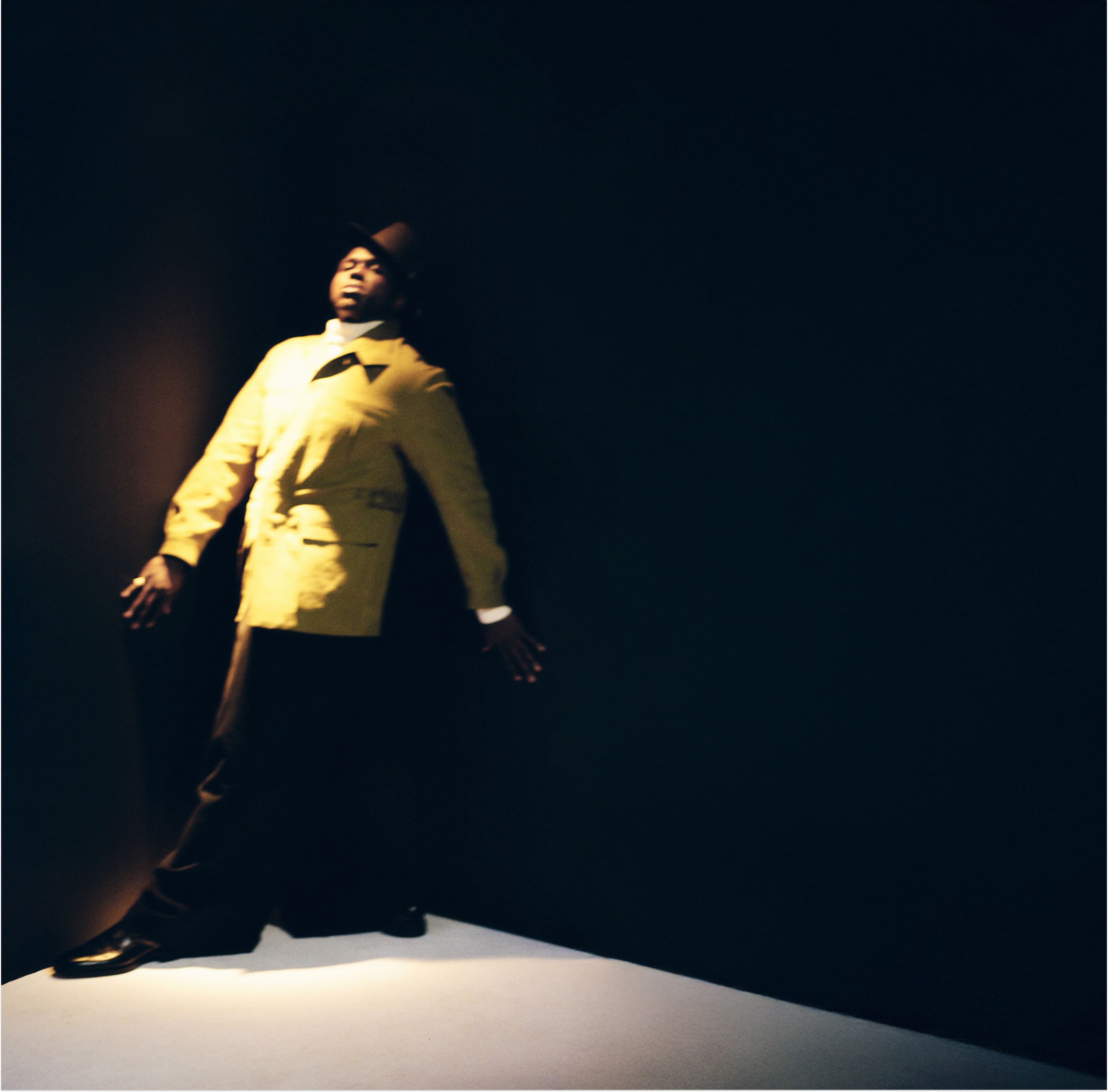
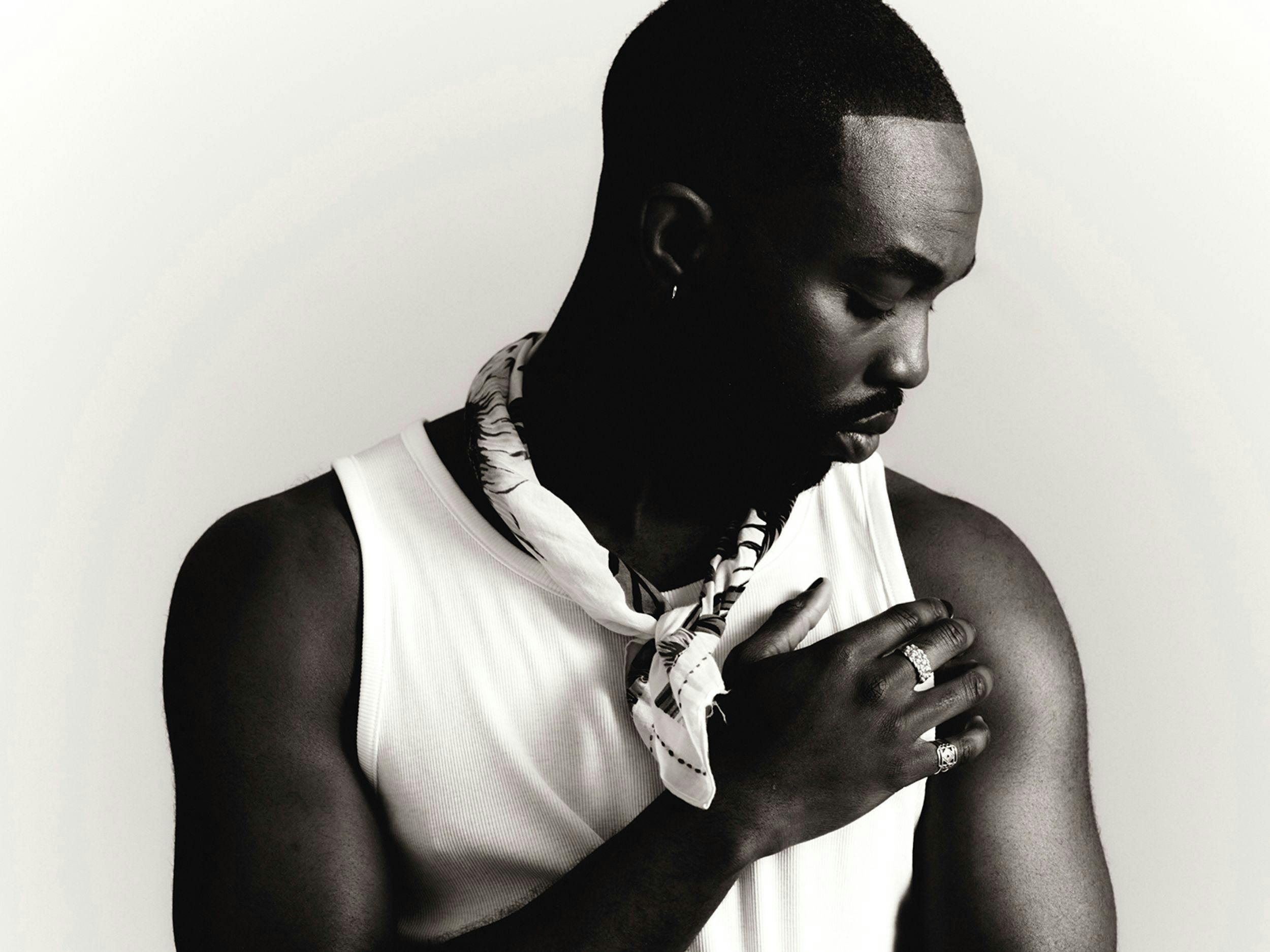
JACKET by Zegna; SWEATER by Ferrari Style; PANTS by Lu’u Dan; HAT by Joy Kim; SHOES by Santoni; RING by Miansai
The project will manifest Henry’s longtime desire to star in new works, especially ones that narrow the gap between musicals and “any music that makes me feel like I got my stank face on.” He recently released an album, Live at Lincoln Center, that combines those passions, and is also dreaming up a musicalized story about Sidney Poitier. He shares with that legendary actor a connection to controversial takes of the Gershwins’ opera Porgy and Bess, Poitier having played the lead in its film adaptation, virtually buried upon release and now considered basically lost media. Henry took part in its latest Broadway outing, which featured an updated book by Suzan-Lori Parks as a corrective to perceived outdated stereotypes of its Black characters. Before it opened out of town, Stephen Sondheim notably aired his grievances with the concept in a scathing letter to the New York Times’s editor. How does Henry look back on the composer’s outcry?
“We praise Stephen Sondheim,” he begins, having already noted in our conversation that his music is typically the most satisfying to convert into his personal R&B flow. “People were protesting outside The Scottsboro Boys for its use of minstrel shows, so when it came to two years later, doing Porgy and Bess…Criticism from people who have been there and who have done what you’re doing is the most important criticism, if you’re going to take it.”
“At the same time,” he continues, “you got to be strong in your artistic vision. It’s important to respect the artistic intention of what has come before, but also, theater is here to hit gas on the boundaries. We’re here to stretch this thing; that’s how pieces survive. The reason Ragtime is surviving is because yes, it’s a great piece of theater, but you have to have incredible performers to perform this music to bring it to a new audience. Same thing with Porgy and Bess, same thing with any Sondheim piece, any Gershwin piece. For a piece to survive, you got to bring it forward in a way that is important to the people at that time. That’s the beautiful thing about art. It’s not easy, it’s complicated, but it’s beautiful.”
Ragtime is now playing through August 16 at the Lincoln Center Theater, New York. The Conversation begins performances November 17 at Astor Place Theatre, New York.
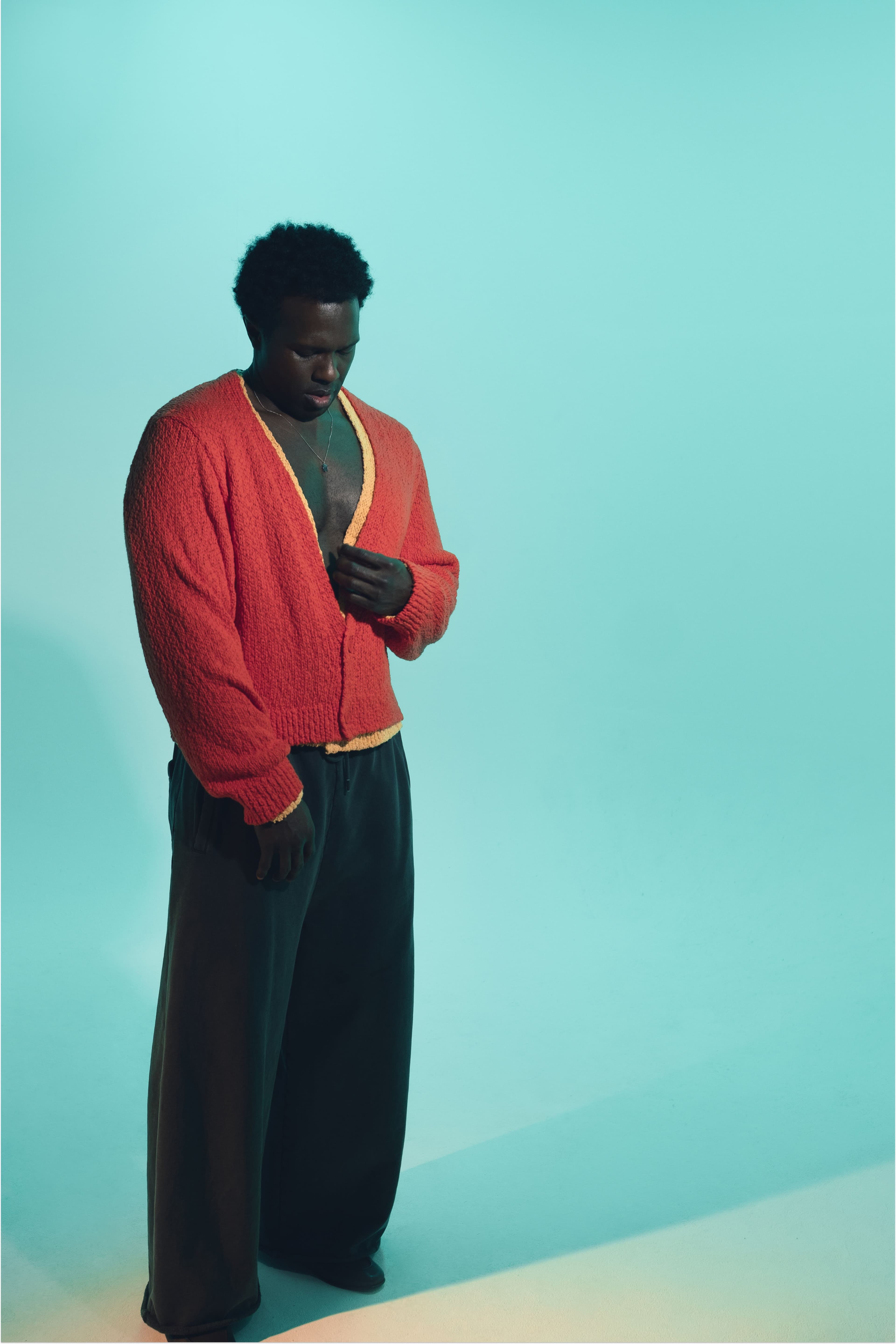
SWEATERS by Issey Miyake; PANTS by Lu’u Dan; SHOES by Santoni
As a nonprofit arts and culture publication dedicated to educating, inspiring, and uplifting creatives, Cero Magazine depends on your donations to create stories like these. Please support our work here.