




Breaking Boundaries with Kyle Abraham
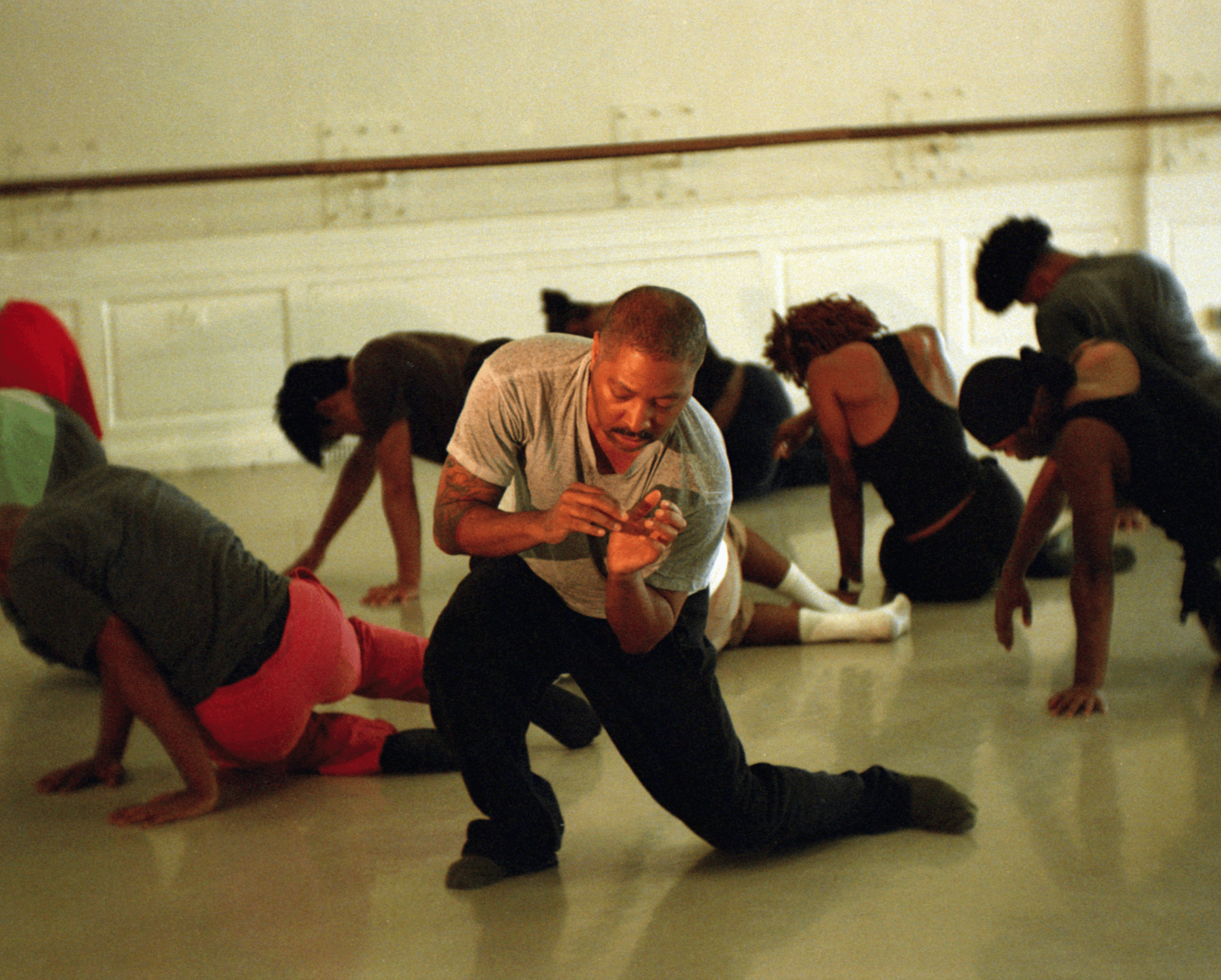
The Brooklyn-based choreographer Kyle Abraham’s new Boerum Hill apartment is a jumble of boxes when I Zoom with him on a Tuesday evening in late August. “These were a table and a chair I just put together,” he says, lifting two pieces of flatpack cardboard. The 48-year-old founder of A.I.M by Kyle Abraham—short for Abraham in Motion—hasn’t had much time for life admin of late. A recipient of multiple prestigious honors, including the Princess Grace Statue Award, the Doris Duke Artist Award, and a MacArthur Fellowship, Abraham creates daring interdisciplinary work at A.I.M and for major institutions from New York City Ballet to Alvin Ailey American Dance Theater and the Martha Graham Dance Company. Earlier in the day, he fit costumes for Homecoming, A.I.M’s twentieth-anniversary gala that took place in September, and rehearsed a new work debuting next summer in Lugano, Switzerland, powering through his jam-packed schedule with the relentless momentum that drives his creative practice.

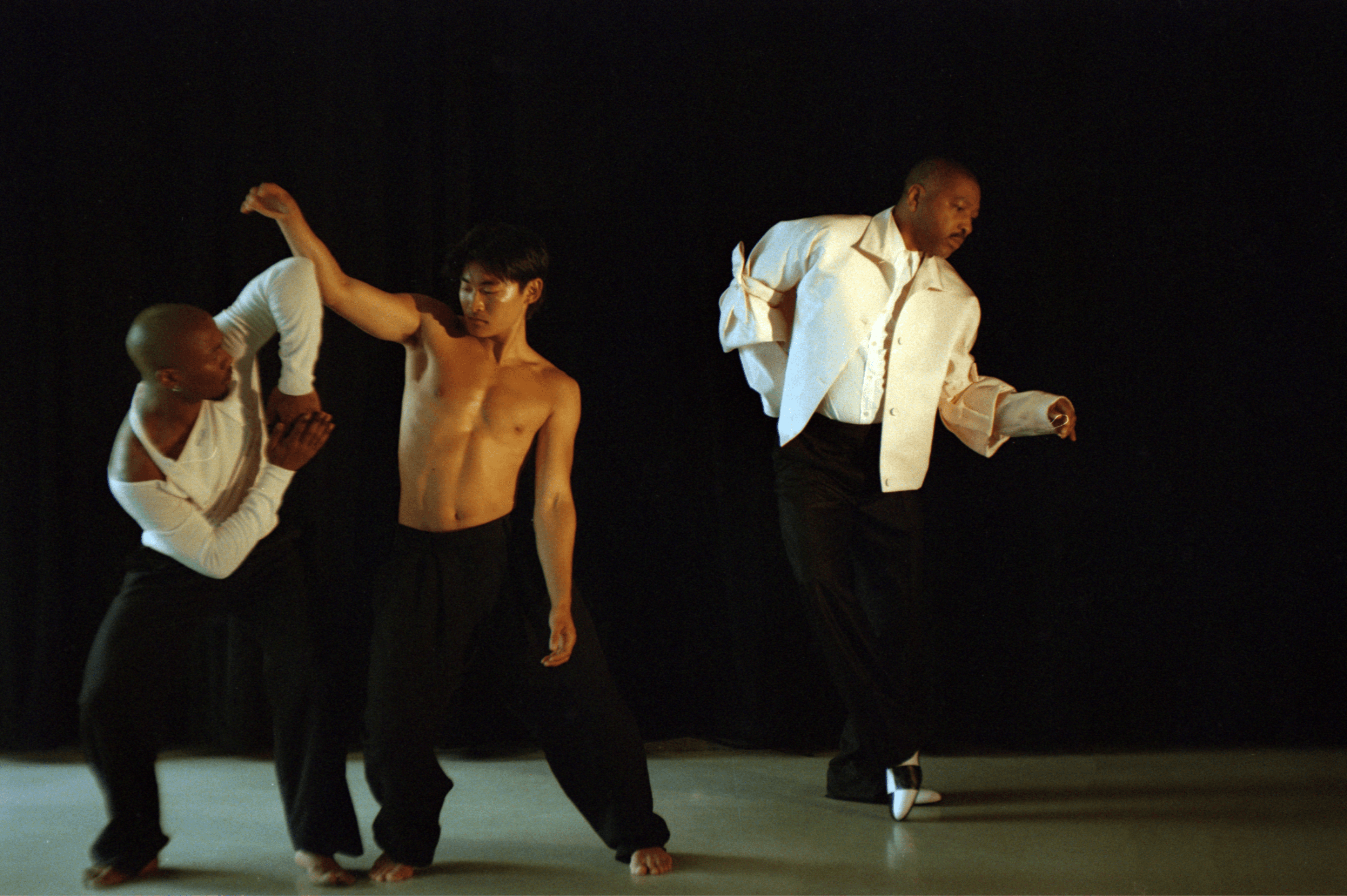
FROM LEFT: Jamaal Bowman wears TOP by Dior; PANTS by Dries Van Noten. William Okajima wears PANTS by Ferragamo. Kyle Abraham wears JACKET and PANTS by Dior; SHIRT by Dries Van Noten; SHOES by Manolo Blahnik.
The air has a new crispness today, and Abraham is buzzing. “It feels like the first week of school,” says the son of public school educators. “This time of year always reminds me of homecoming!” His fall formal blended dance, music, and visual art, swapping the school gym for Jazz at Lincoln Center’s Rose Theater. The evening opened with a restaging of “The Gettin’“ (2014), his meditation on the cyclical struggle for Black equality, with six dancers spiraling through Robert Glasper’s arrangement of We Insist! Max Roach’s Freedom Now Suite, framed by Glenn Ligon’s text-based scenography. Next came “If We Were a Love Song“ (2021), poetic vignettes with Baby Rose’s rendition of Nina Simone and a surprise cameo by Abraham. The New York premiere of “2x4“ (2025) followed, placing syncopated movement in conversation with Shelley Washington’s experimental score and Devin B. Johnson’s painted backdrop. After dinner by the celebrated Tatiana chef Kwame Onwuachi, everyone was invited to hit the dance floor. “We can get down,” Abraham says. This is homecoming, after all.
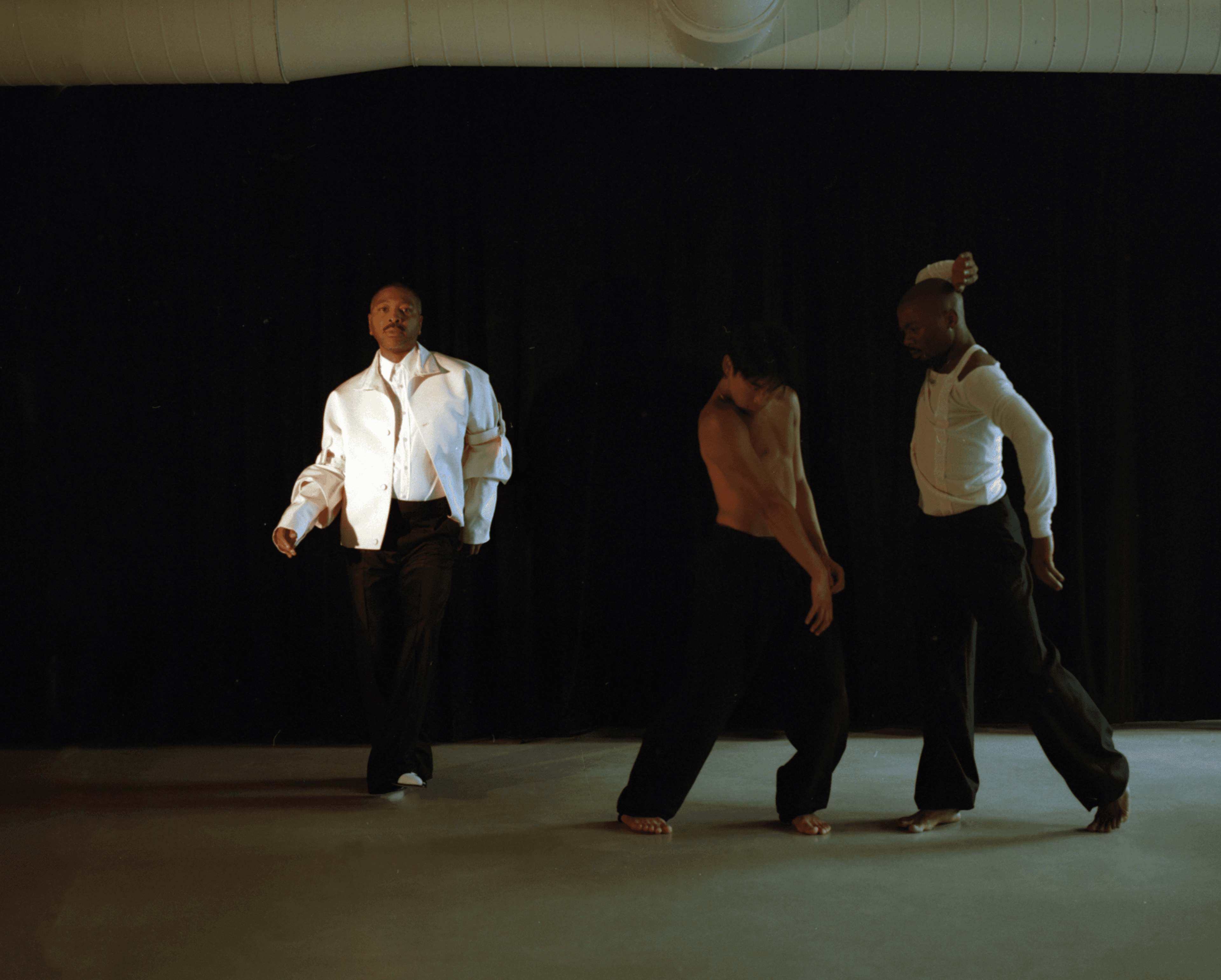
FROM LEFT: Abraham wears JACKET and PANTS by Dior; SHIRT by Dries Van Noten; SHOES by Manolo Blahnik. Okajima wears PANTS by Ferragamo. Bowman wears TOP by Dior; PANTS by Dries Van Noten.
In a dance world that can often feel like high school, with bunheads sitting on one side of the cafeteria and b-girls on the other, Abraham is the ultimate social butterfly. His choreography is a playful mashup of sharp hip hop footwork, balletic port de bras, and lyrical phrasing, defying easy classification. He calls the genre “post-modern gumbo”: a rich mix, with social dance as its base. “When I’m generating phrase work, all of these different styles and vocabularies are coming through,” he says. “It’s all just movement.” In casting, Abraham prioritizes energy and openness over strict technique. “I really go off who’s having a good time in class,” he says. Last fall, while rehearsing “Mercurial Son,“ his first commission for American Ballet Theatre, he played lots of Robyn “just for the vibes.” Though more spice than the Tchaikovsky set is used to with their pliés and tendus, it clearly went down well. Earlier this fall, he returned to create a pièce d’occasion for ABT principal Misty Copeland’s farewell performance and choreographed a short work that Misty Copeland danced live alongside Cynthia Erivo performing “No Good Deed“ from Wicked: For Good.
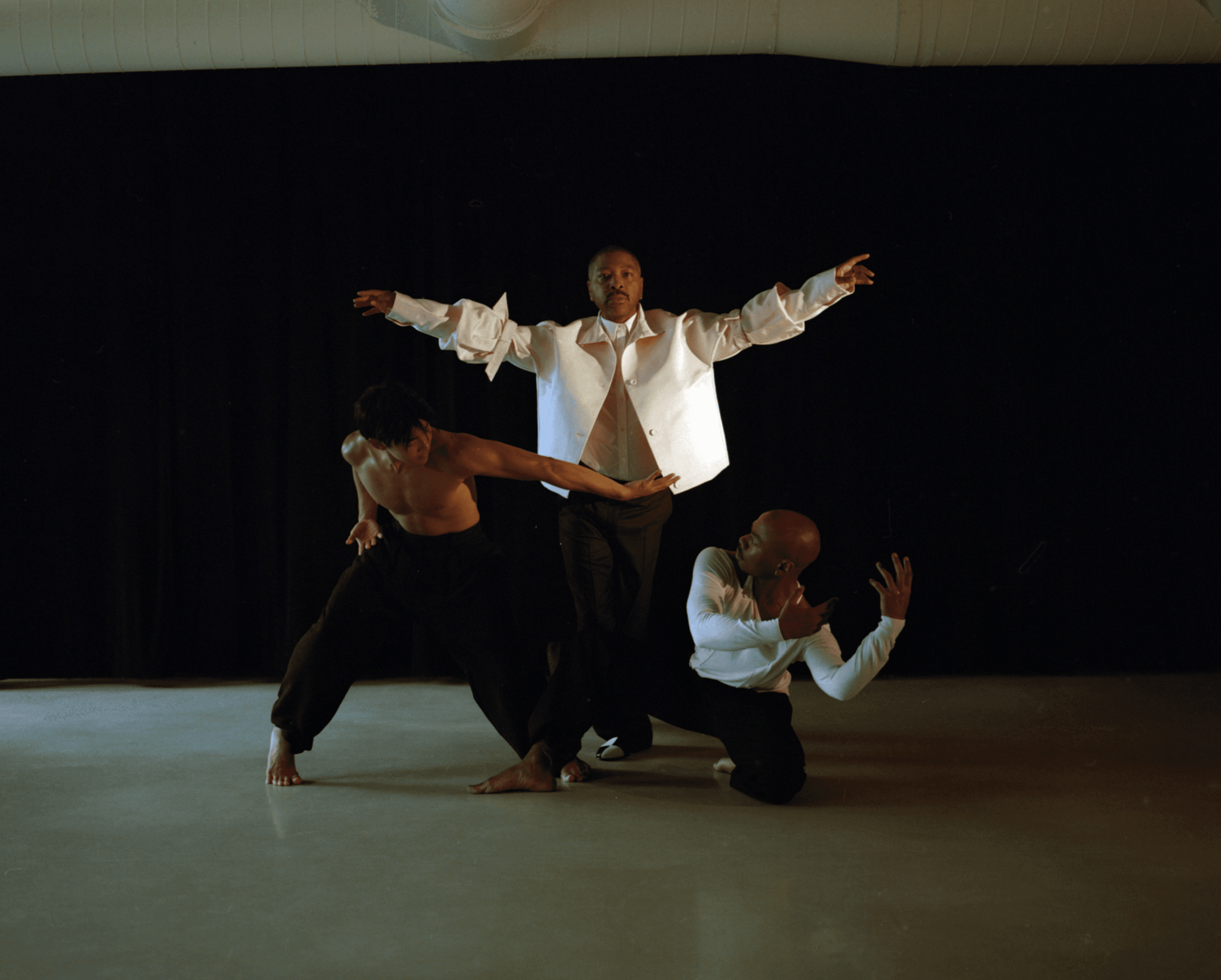
FROM LEFT: Okajima wears PANTS by Ferragamo. Abraham wears JACKET and PANTS by Dior; SHIRT by Dries Van Noten; SHOES by Manolo Blahnik. Bowman wears TOP by Dior; PANTS by Dries Van Noten.
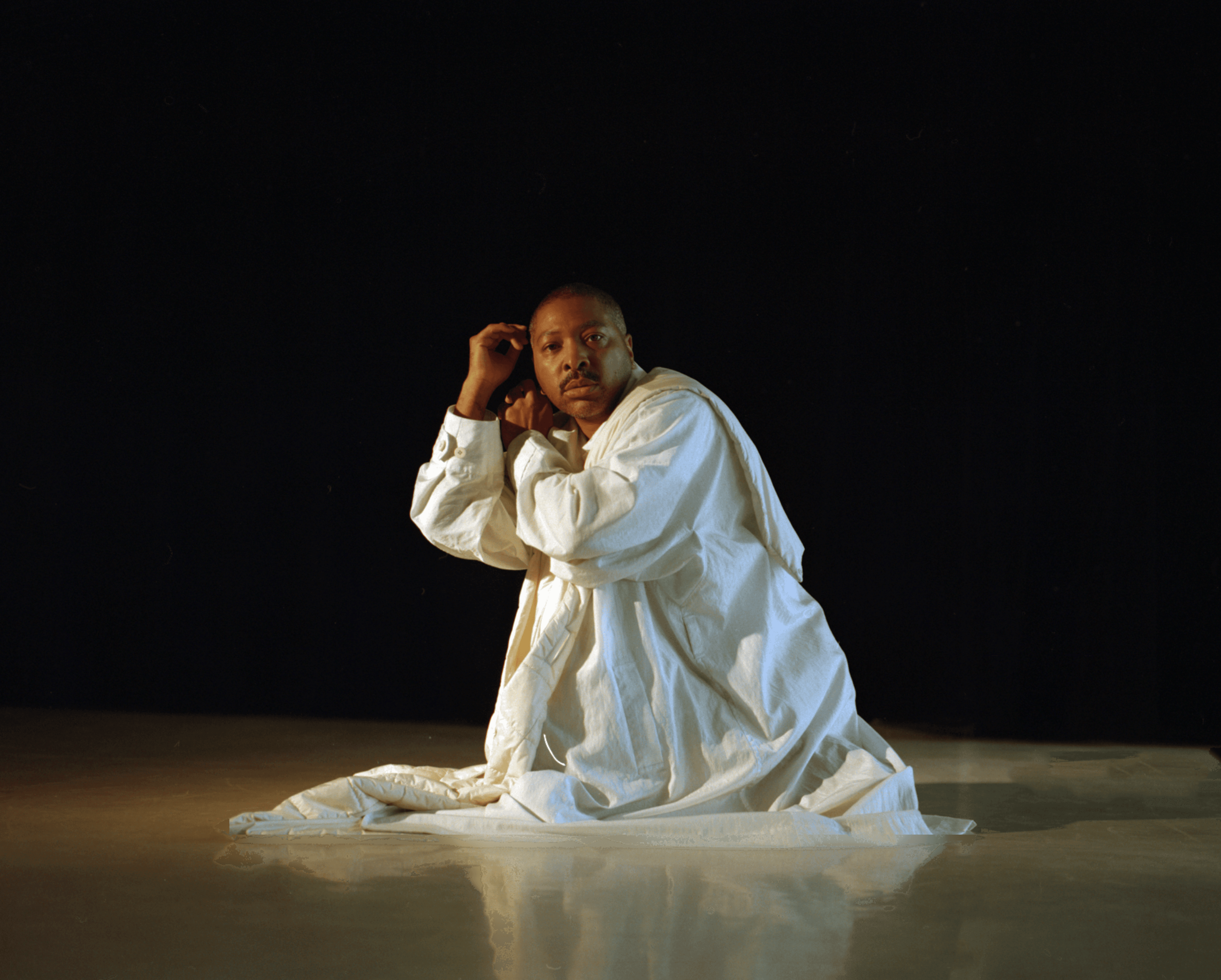
All CLOTHING by IM MEN
Before he was choreographing for the world’s top stages, Abraham built his creative foundation outside of the dance studio. He spent his childhood in Pittsburgh not at the barre but in the school orchestra. “I played cello, which was probably dreadful for everybody,” he reflects. “Growing up in a city of hills, I never wanted to lug it home to practice.” He also took weekend painting classes at Carnegie Mellon. Though focused on music and visual art, Abraham was always grooving. “I got kicked out of Catholic school on my first day for dancing,” he says. “I was wearing penny loafers and you’re going to want to spin in those things.” Abraham learned moves like the Prep and Roger Rabbit from his older sister, made dances to Bell Biv DeVoe’s “Poison” at church camp, and cut a rug at bar mitzvahs. In high school, he discovered rave culture: with a fake ID from his mom, he and his friends danced all night at a gay club, losing themselves in the music.
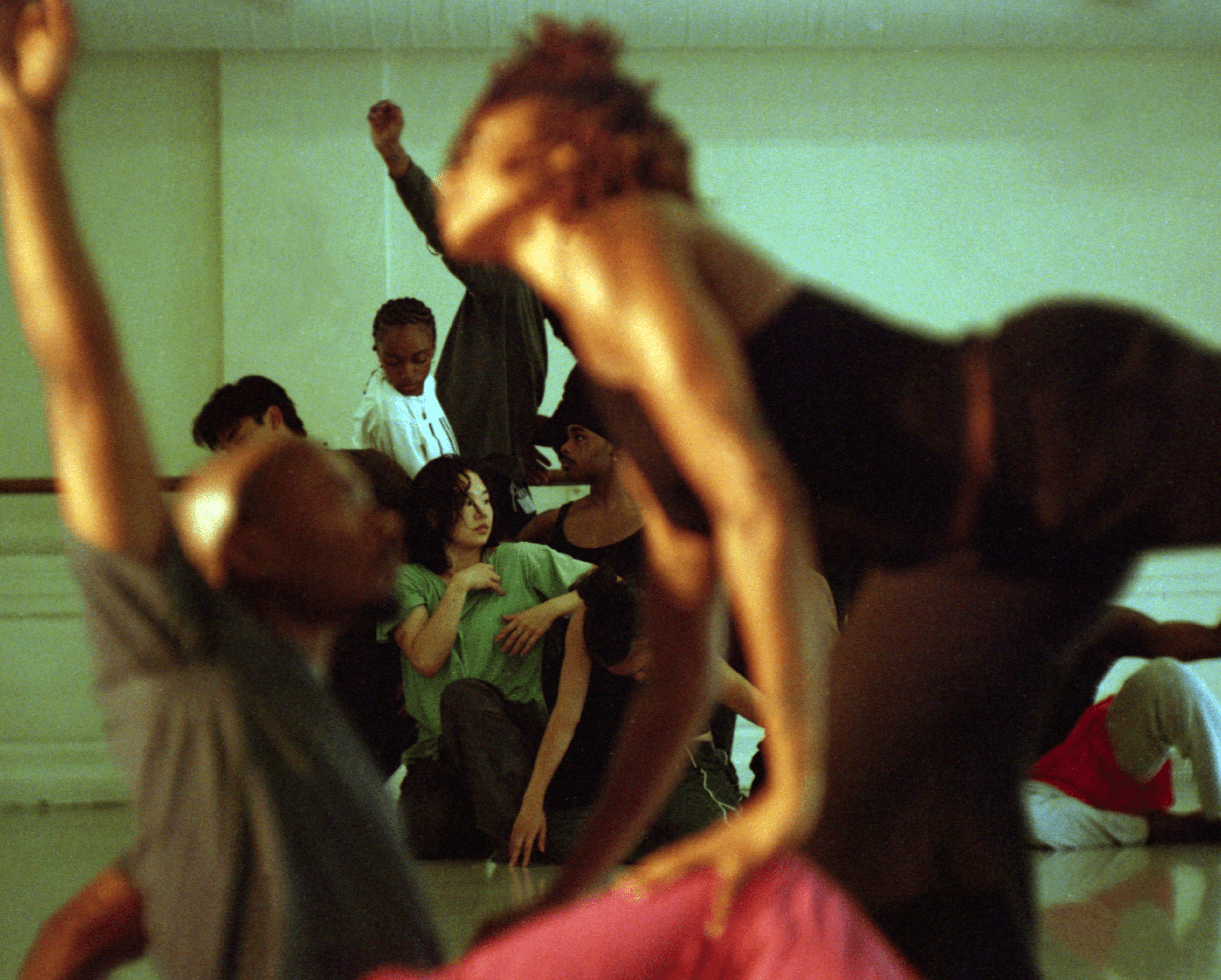
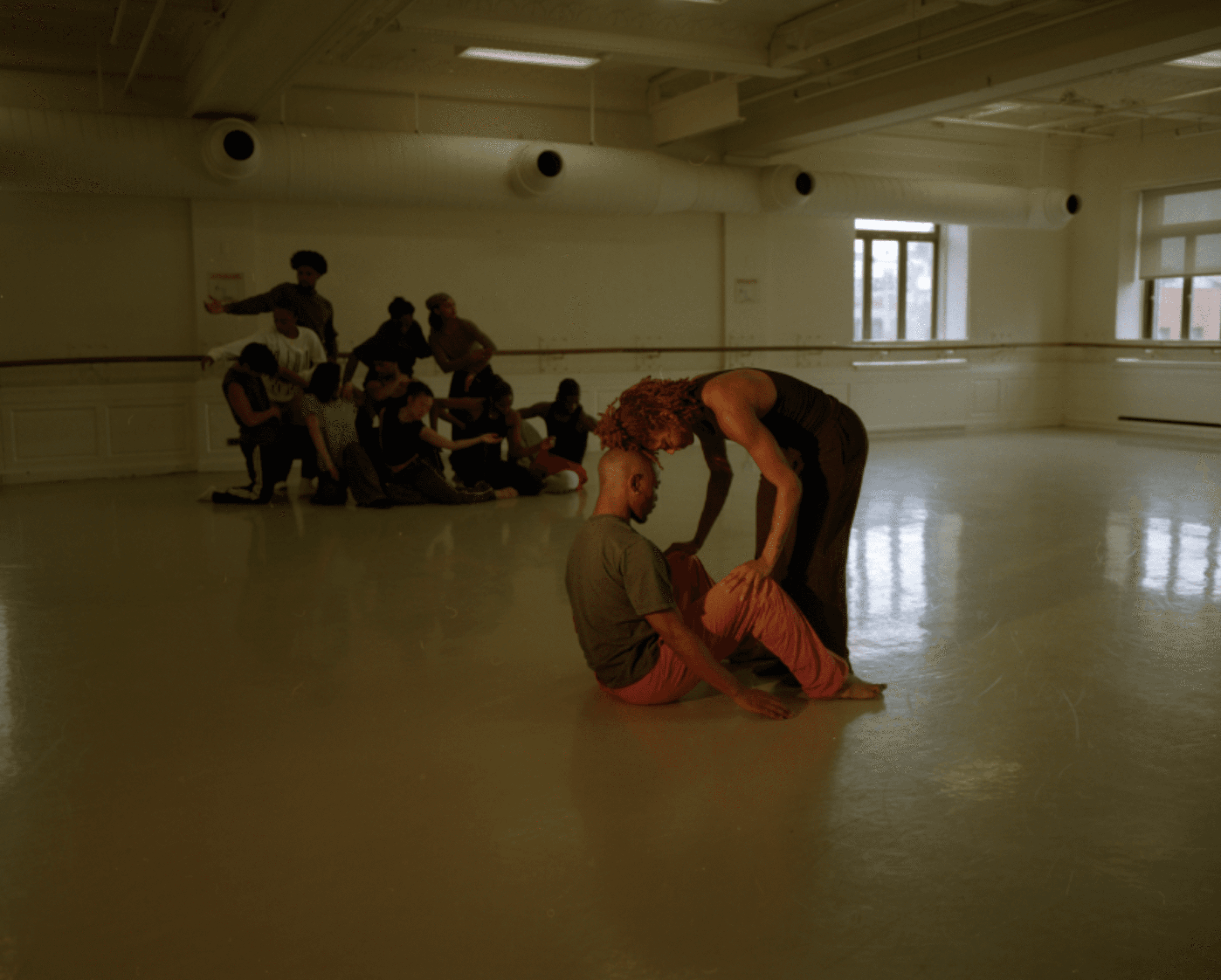
As a junior, seeing dance onstage for the first time was a revelation: the Joffrey Ballet’s Billboards, set to his favorite artist, Prince, left him spellbound. “Elizabeth Parkinson did this solo to ‘Purple Rain,’ and I thought it was just outstanding,” Abraham recalls. “I’d never seen this way of moving.” Fired up, he auditioned for his high school musical, Once on This Island, and landed a chorus role. His talent did not go unnoticed. His teachers offered him a scholarship to a summer program at the Civic Light Opera Academy, and the following year, he continued his dance training part-time at the Pittsburgh Creative and Performing Arts School while performing in the musical Bubbling Brown Sugar at his local high school. “My whole life from that point has been a lot of encouragement and support,” Abraham says. He went on to become a dance major at State University of New York at Purchase and later earned his MFA from New York University’s Tisch School of the Arts, where he founded A.I.M in 2006.
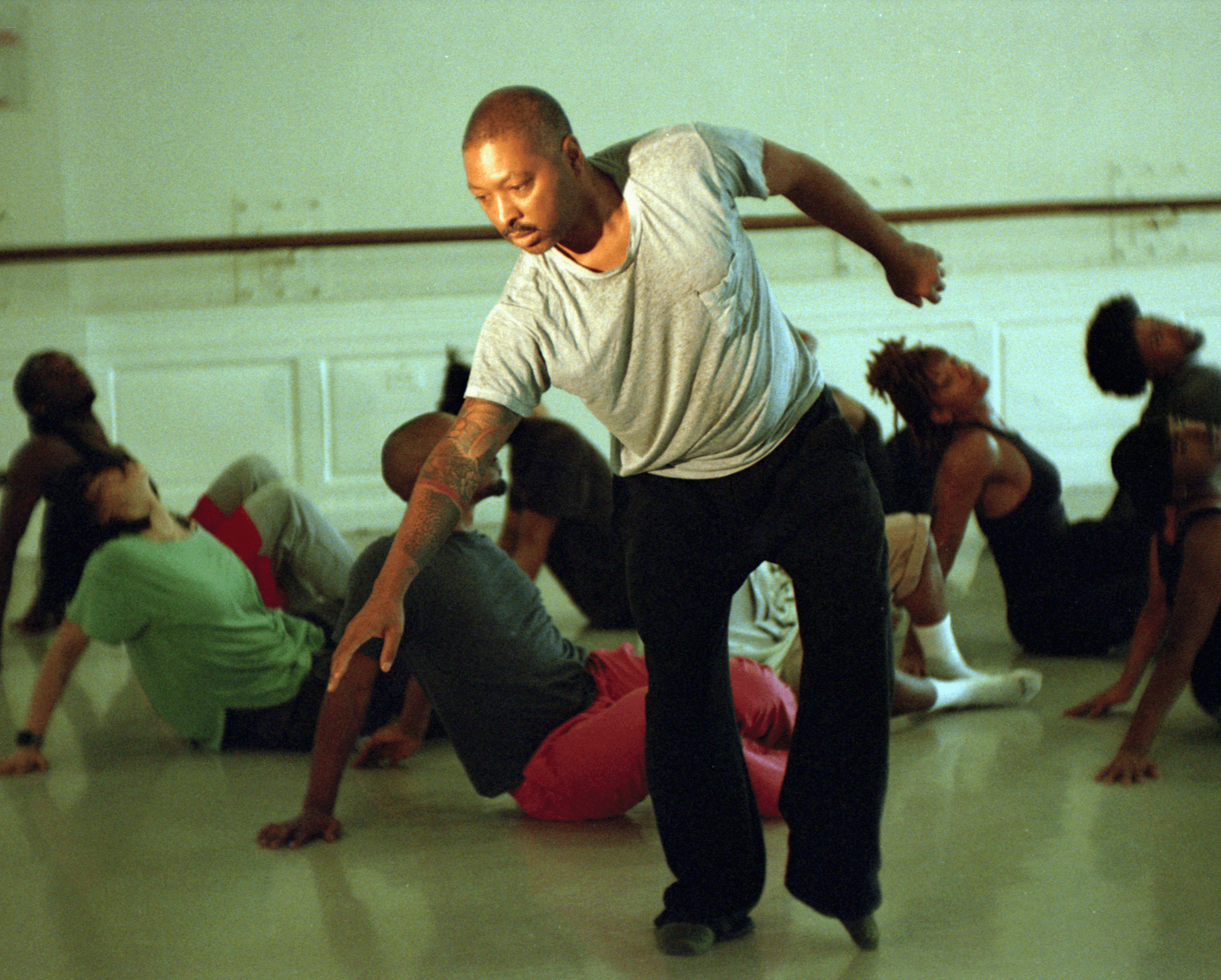
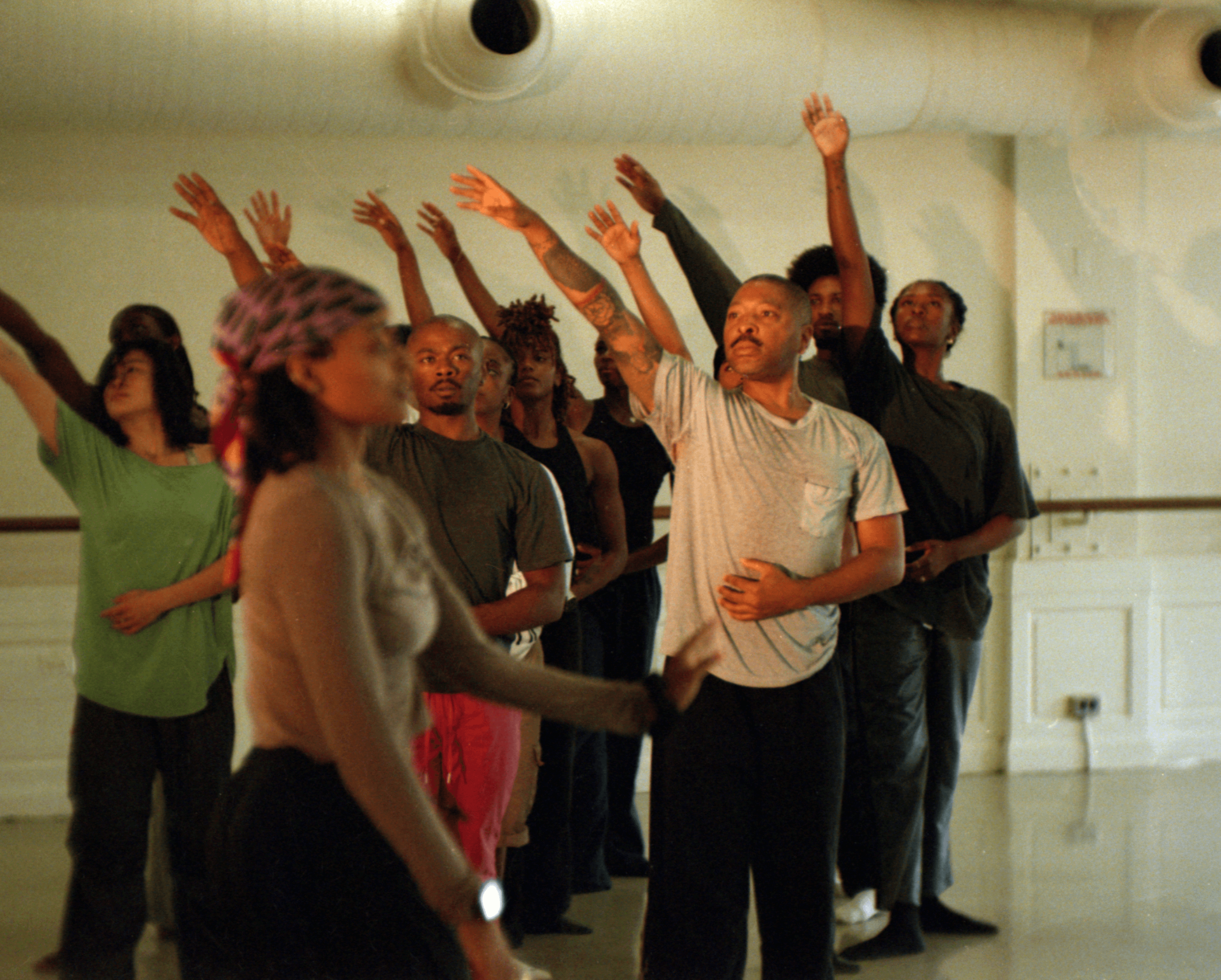
Today, Abraham’s admiration for Prince endures—he even sports a “When Doves Cry” tattoo on his bicep—and his early exposure to music and art fuels his boundless curiosity. Recent sparks include Pam Tanowitz’s dance Pastoral; Kiese Laymon’s memoir Heavy; the Amy Sherald: American Sublime show at the Whitney; and When It’s Going Wrong, a collaborative album by Polish vocalist Marta and trip-hop legend Tricky. Drum and bass and electronic music, he reflects, most directly inform the percussive flow at the heart of his choreography. “In the club I could choose to dance to the vocals, the faster beat, or the bass,” he says. “Moving between those layers shapes how I hear and work with music. Even in silence, I’m still thinking about rhythm.“
For more information, please visit aimbykyleabraham.com. A.I.M by Kyle Abraham performs December 13 at the Carpenter Performing Arts Center, Long Beach, California.

As a nonprofit arts and culture publication dedicated to educating, inspiring, and uplifting creatives, Cero Magazine depends on your donations to create stories like these. Please support our work here.